Made By Rae Patterns, Sewing

The Bianca Pattern with a lined bodice

image

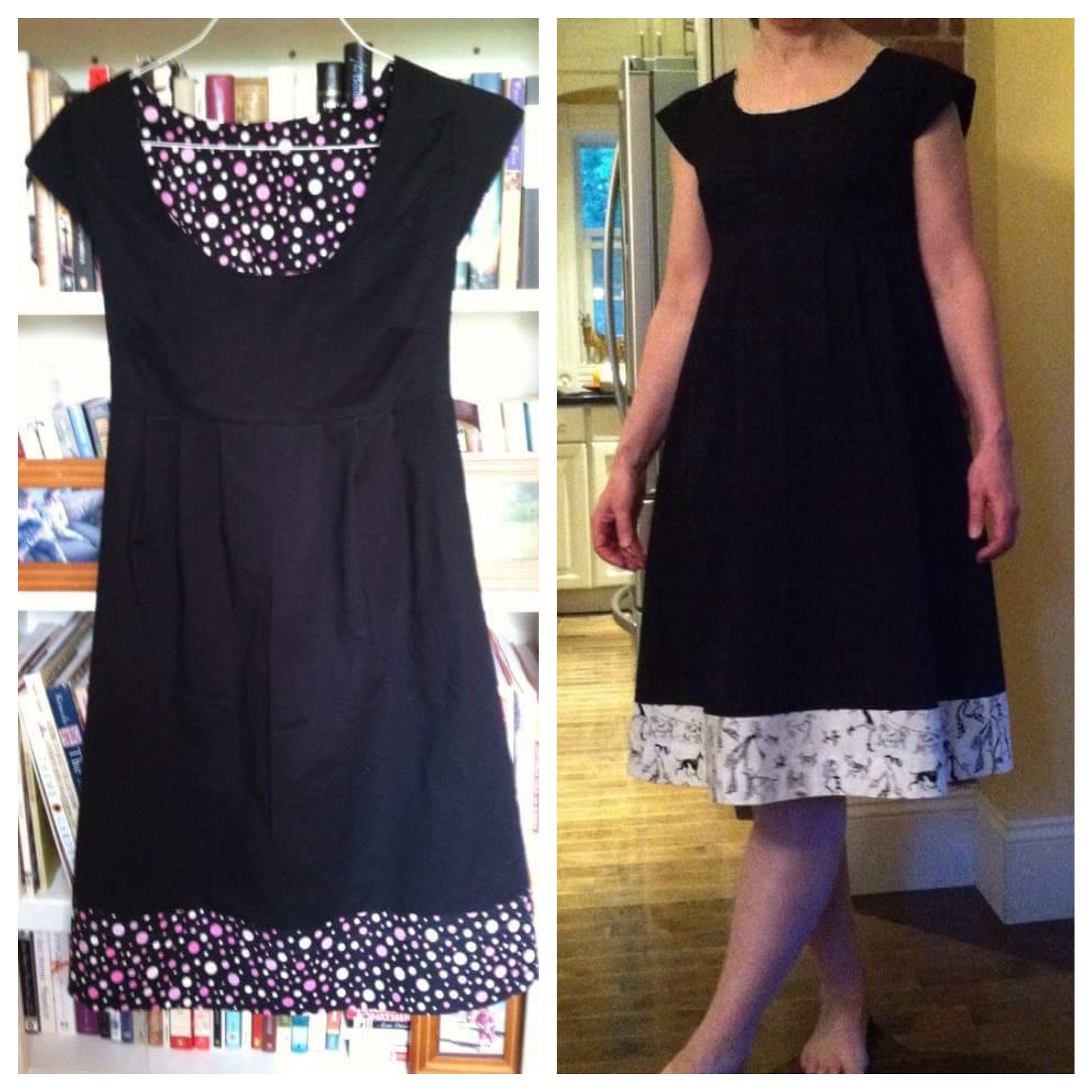
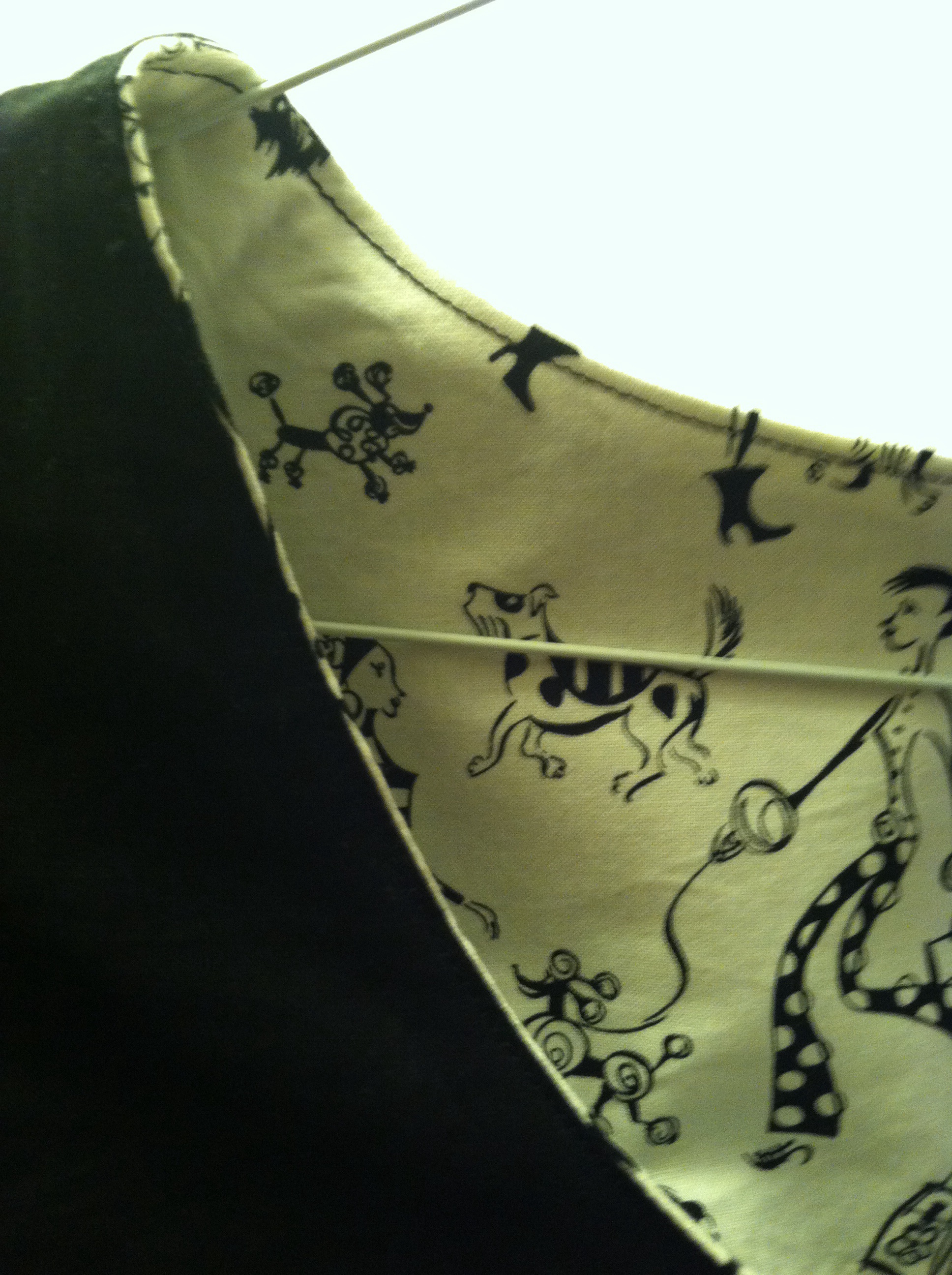
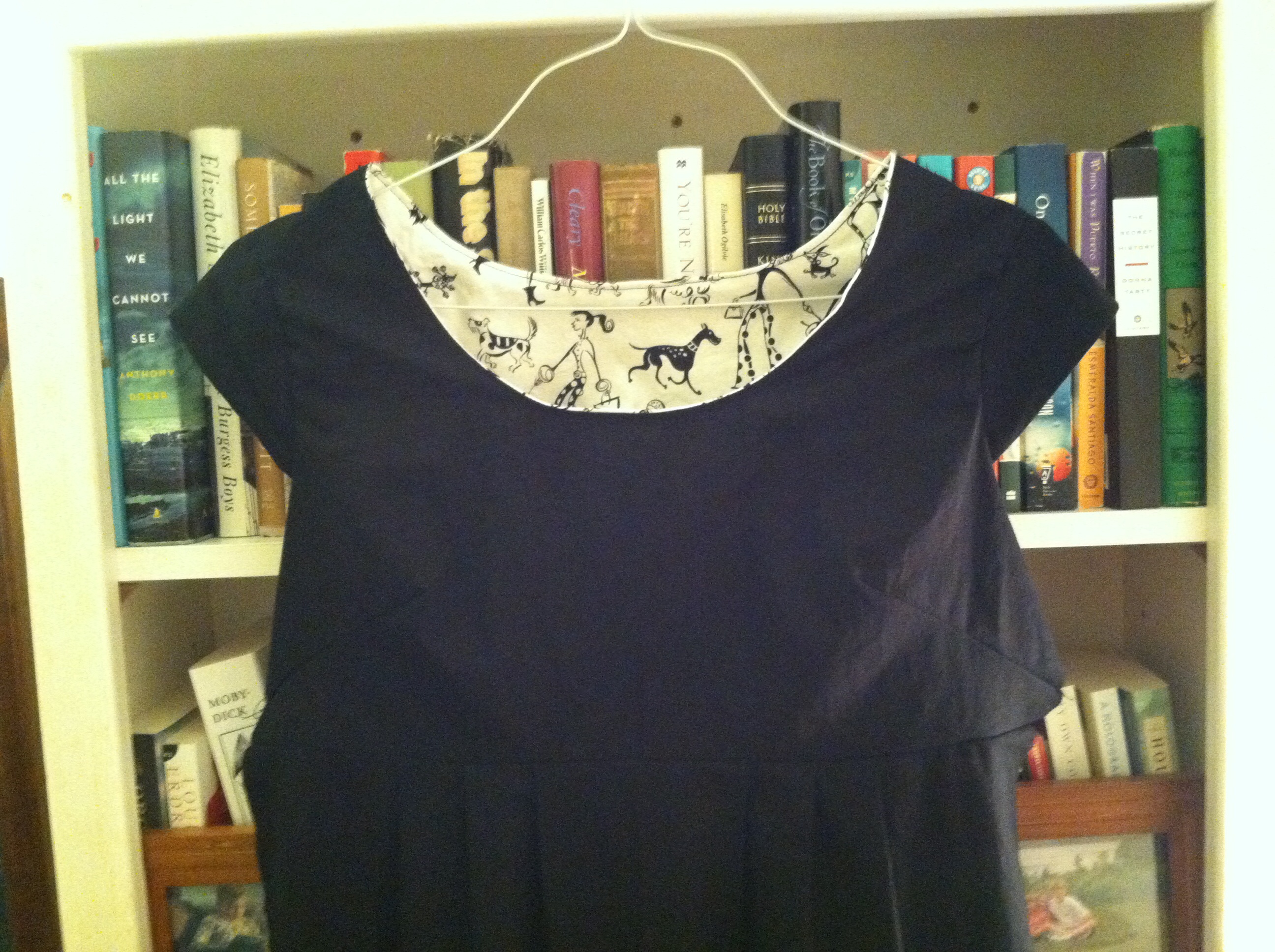
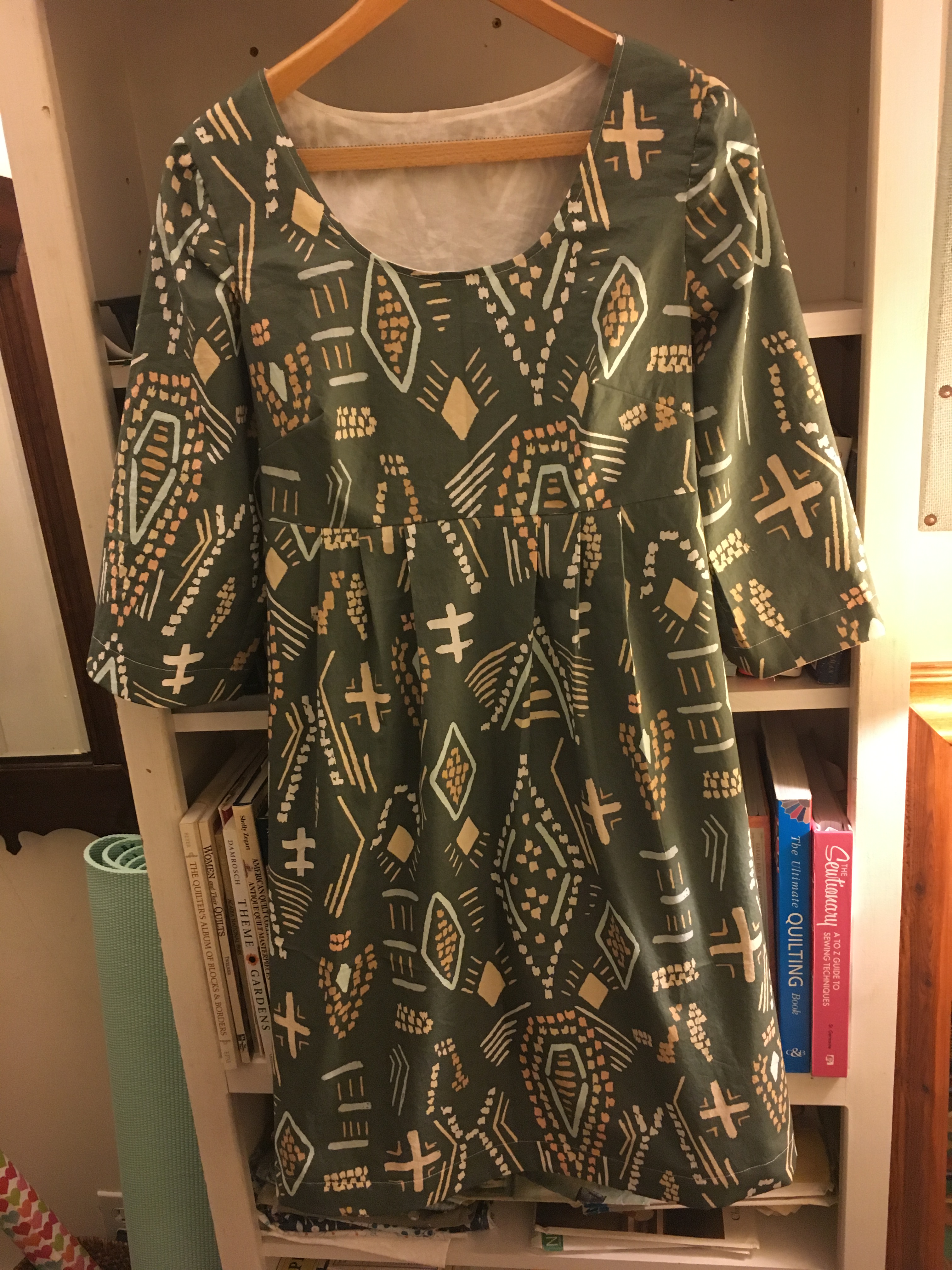
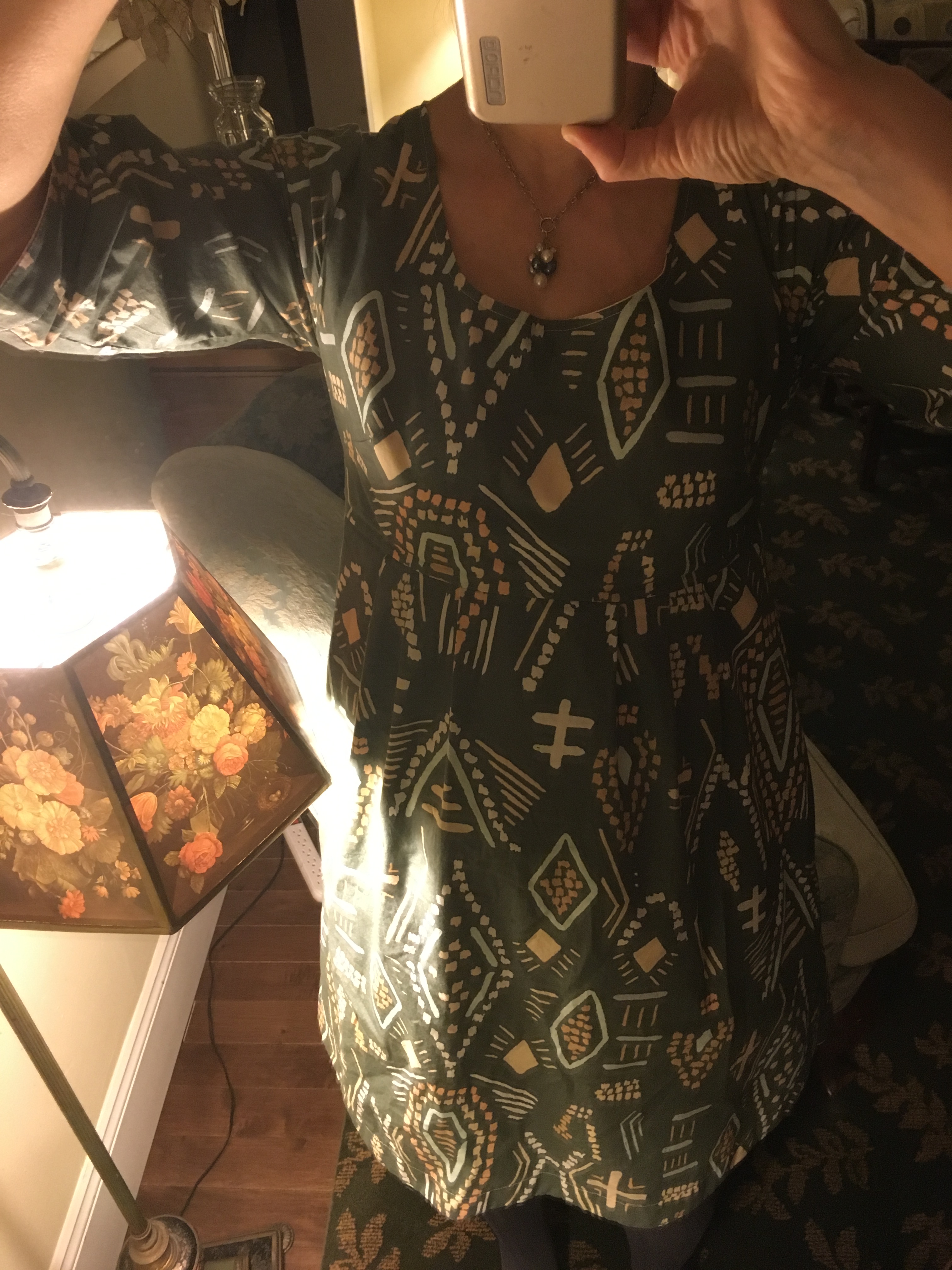
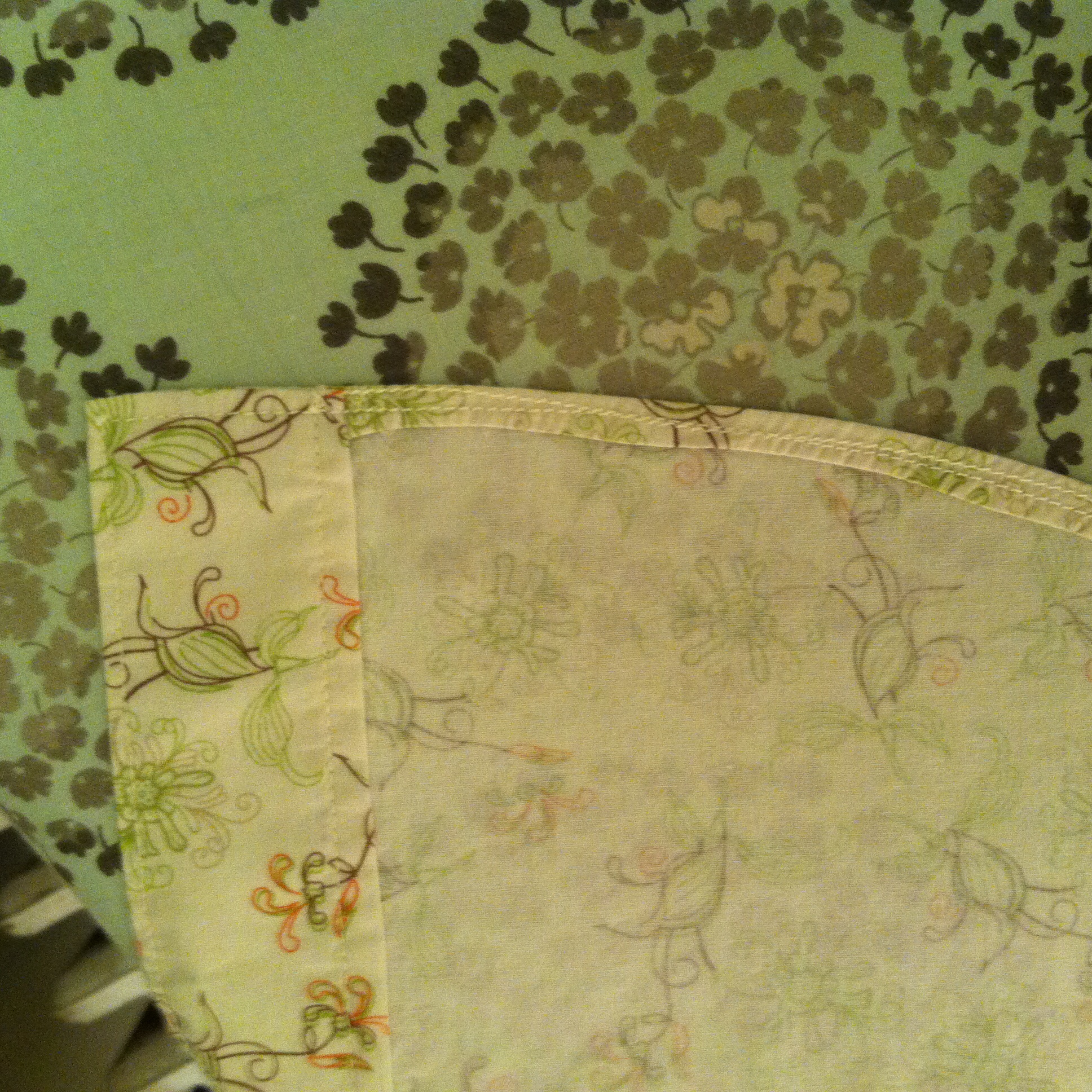
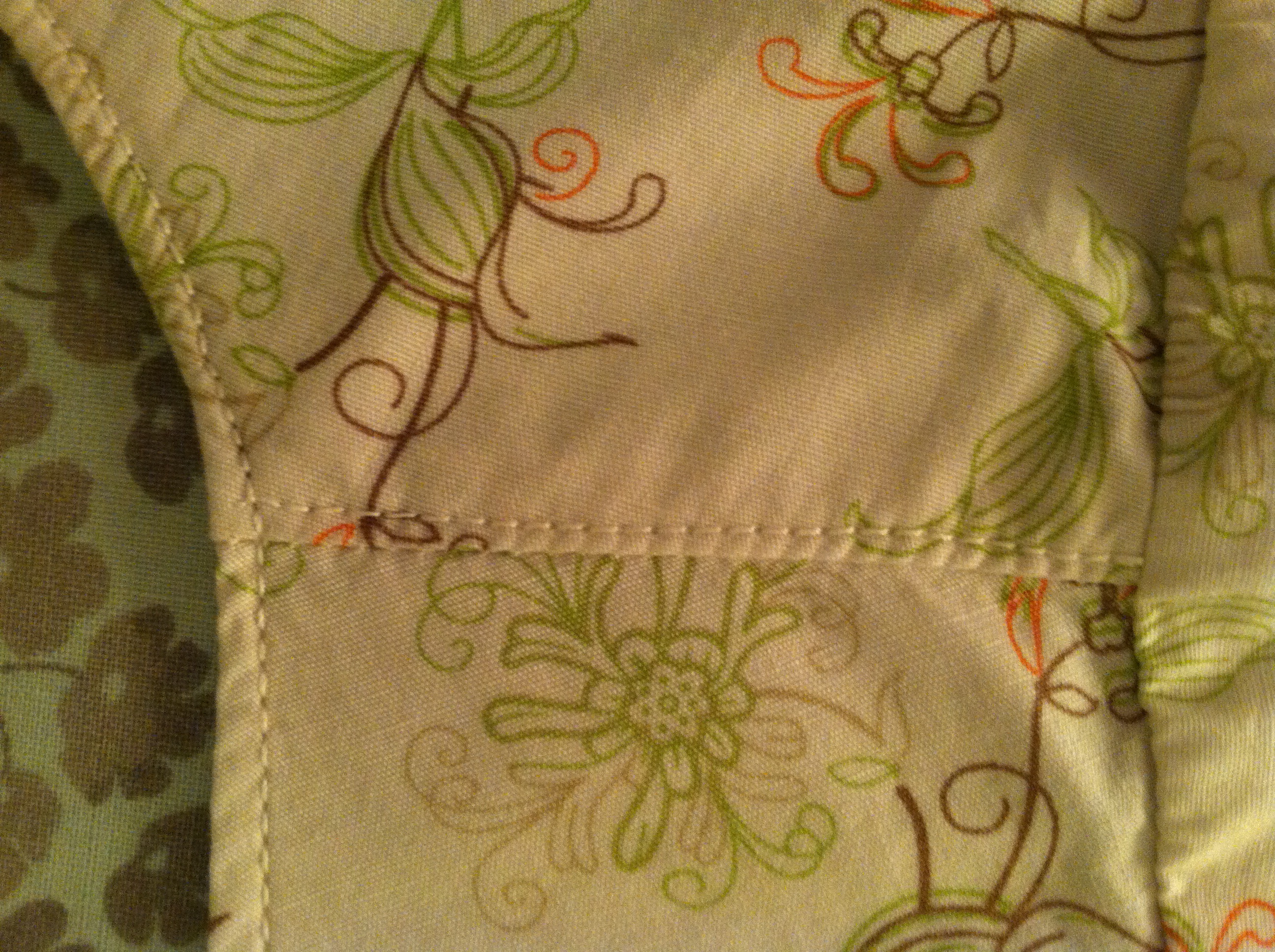
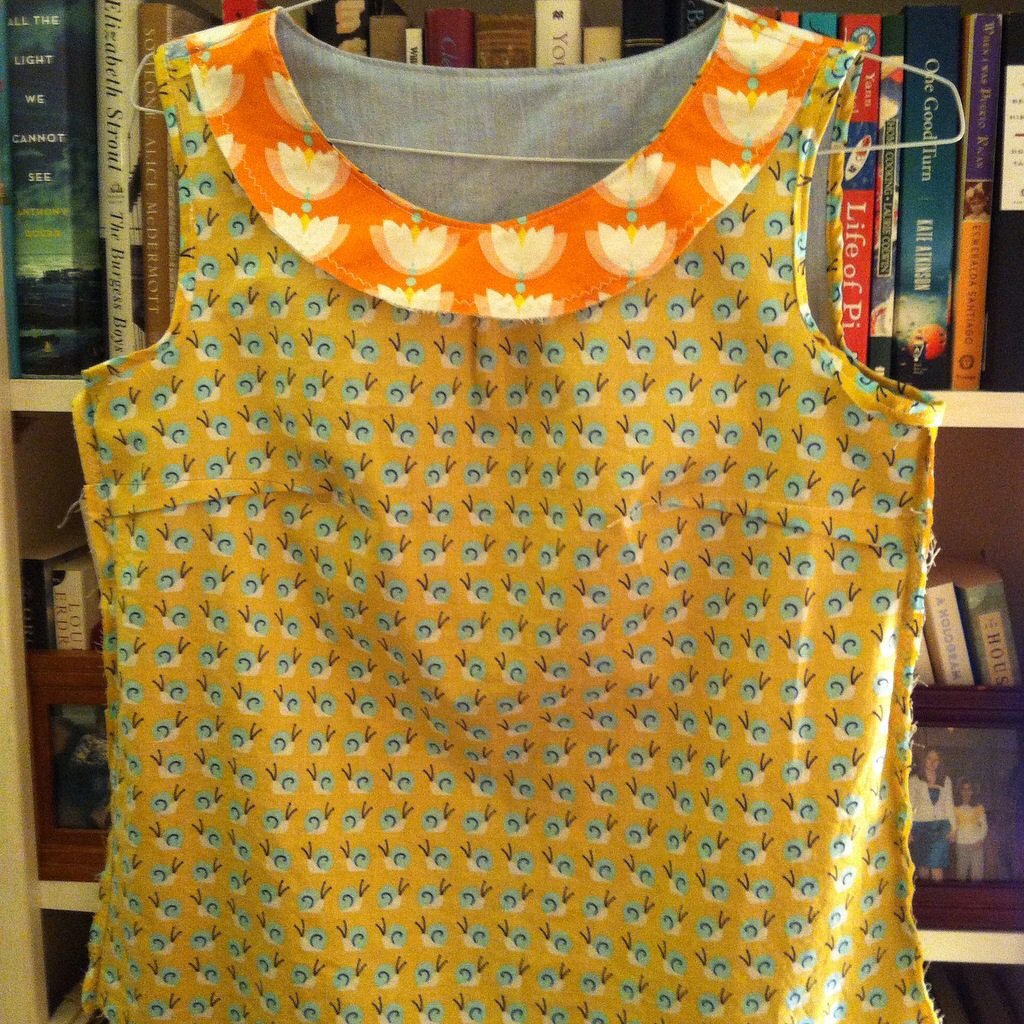
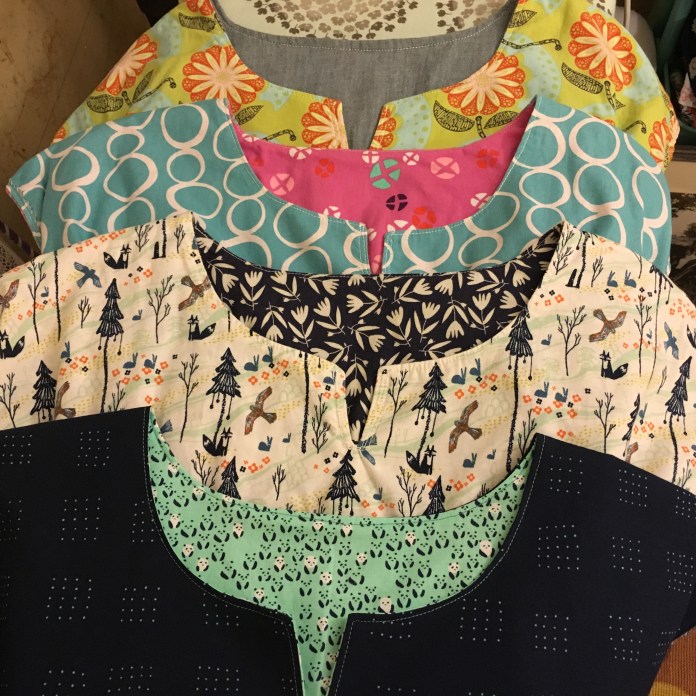
Four Bianca dresses with lined bodices. The top three are inside out.

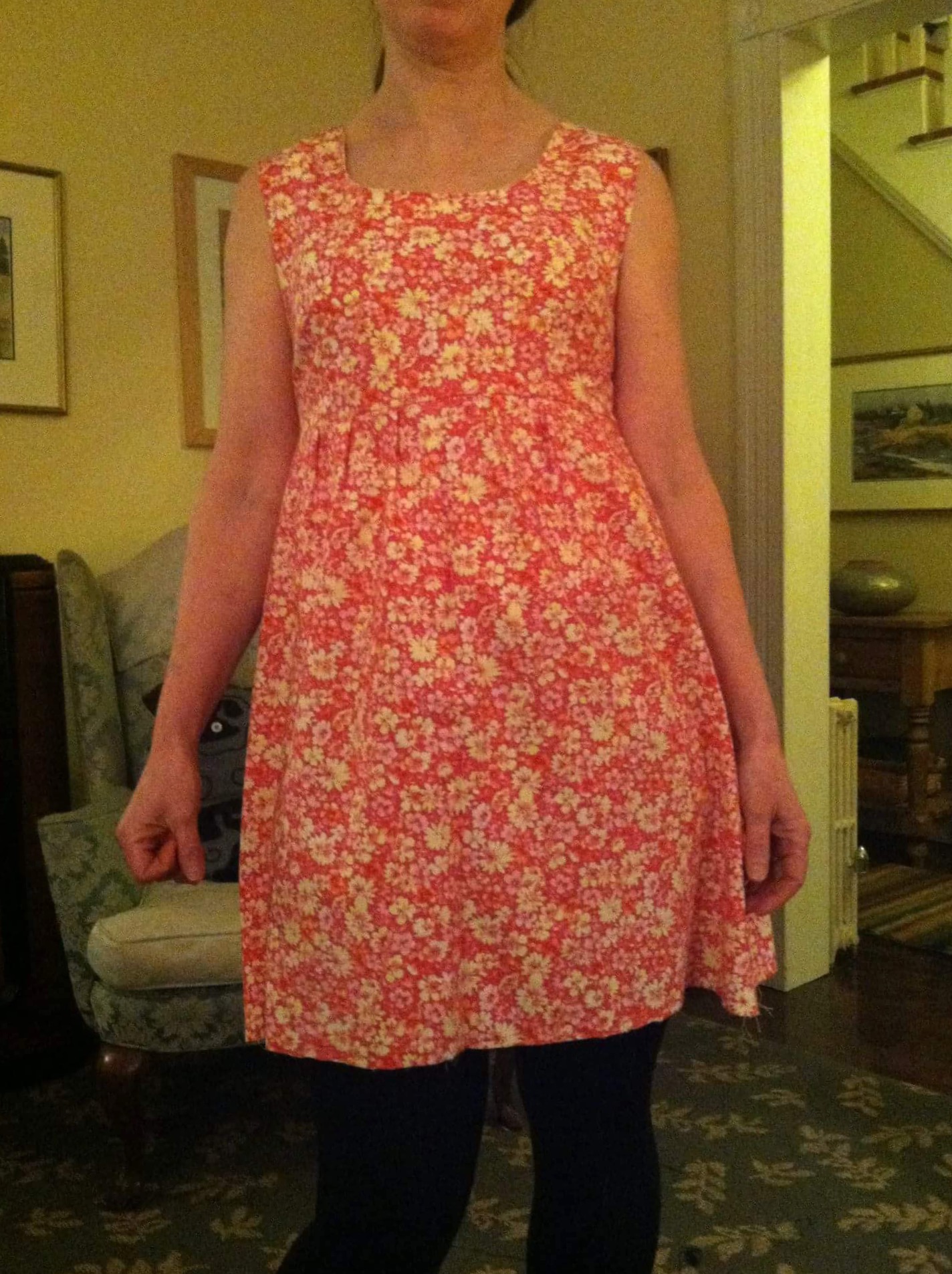
As much as I like the Washi pattern, I might like the Bianca even more. I made a Bianca blouse as a test version and made 5 more dresses last summer and wore them all summer long. They are perfect for work, they work perfectly under a labcoat, they fit perfectly without alteration and I can make one with less than 2 1/2 yards of fabric. As with many innovations, I started with a problem. The fabric I planned to use for my test blouse was very sheer and I didn’t want it to be see-thru. Since I had learned how to line the Washi bodice, I decided to try the same thing with the Bianca. I had some white quilting cotton and I cut a second front and back using the white. I cut them big enough to clear the channel for the elastic and sewed around the neck with right sides together as I had done with the Washi using Rae’s tutorial. Because of the stitching of the elastic channel, it wasn’t possible to use the sausage method that Rae demonstrates to get a clean line at the the armholes for her other patterns so I just turned the fabric under at the sleeve openings and stitched it as one would stitch a hem. Even though I didn’t finish the inside, I was really pleased with the results and I ended up with a cute, wearable shirt.

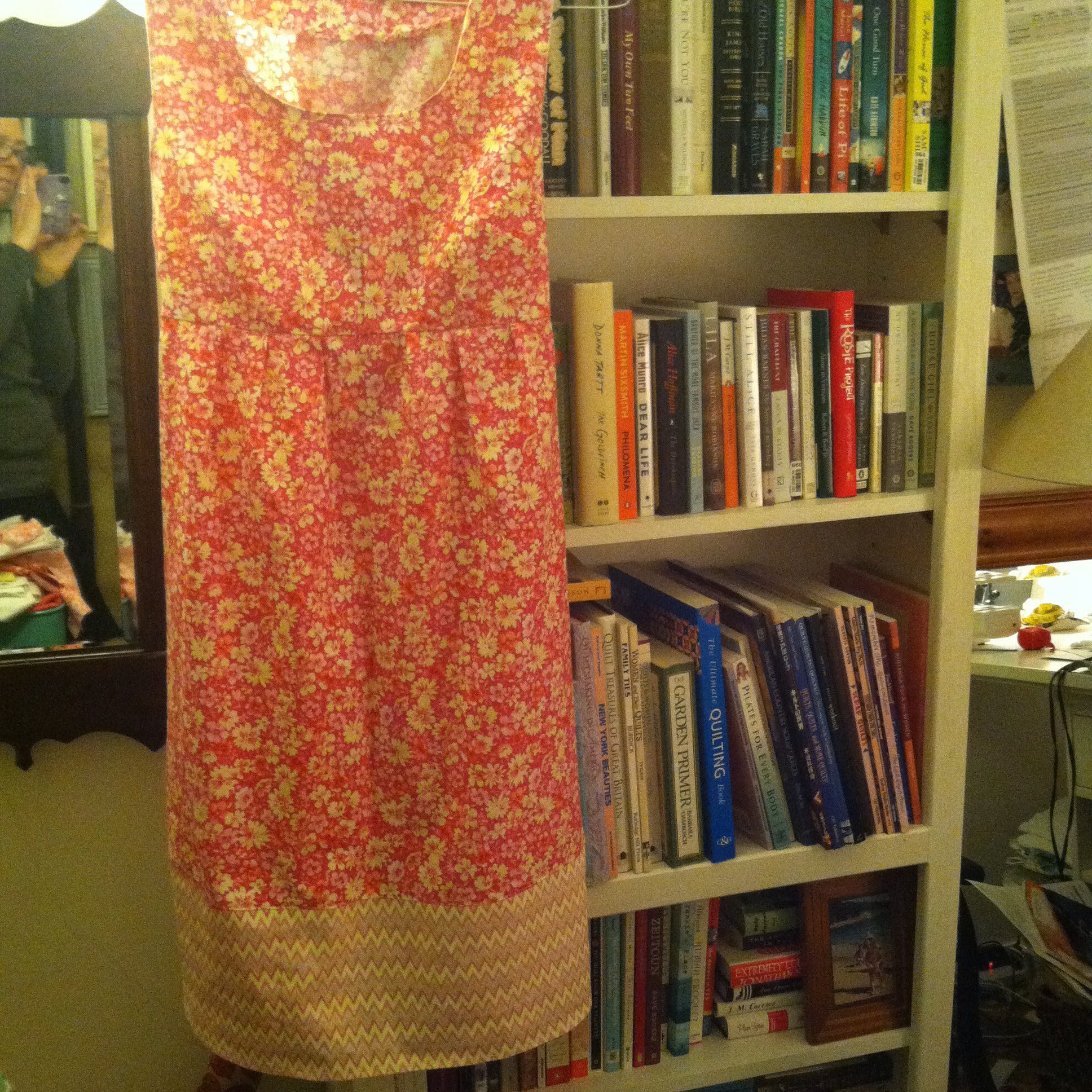
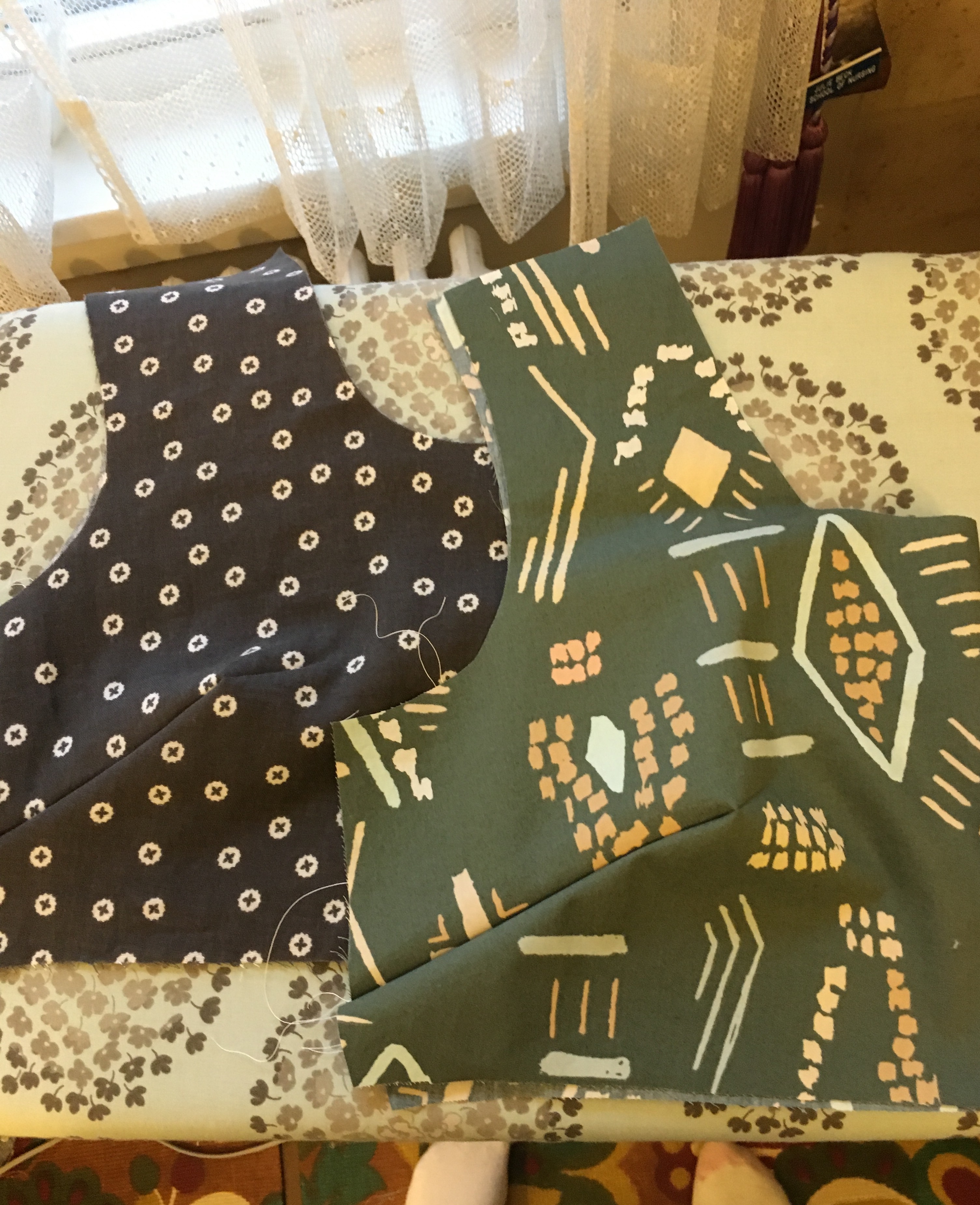
I then went on to make five more Bianca dresses over the course of the summer. The first was made with a Windham fabric line called Petite Fleurs. I lined it with Cotton and Steel fabric from the Tokyo Trains line. This time I cut the lining long enough to be able to turn it under and catch the unfinished edge above the top line of the elastic channel. Before I turned it under and sewed the elastic channel, I finished the edge with a zigzag stitch. I used a bit less than a yard of fabric for the lining.

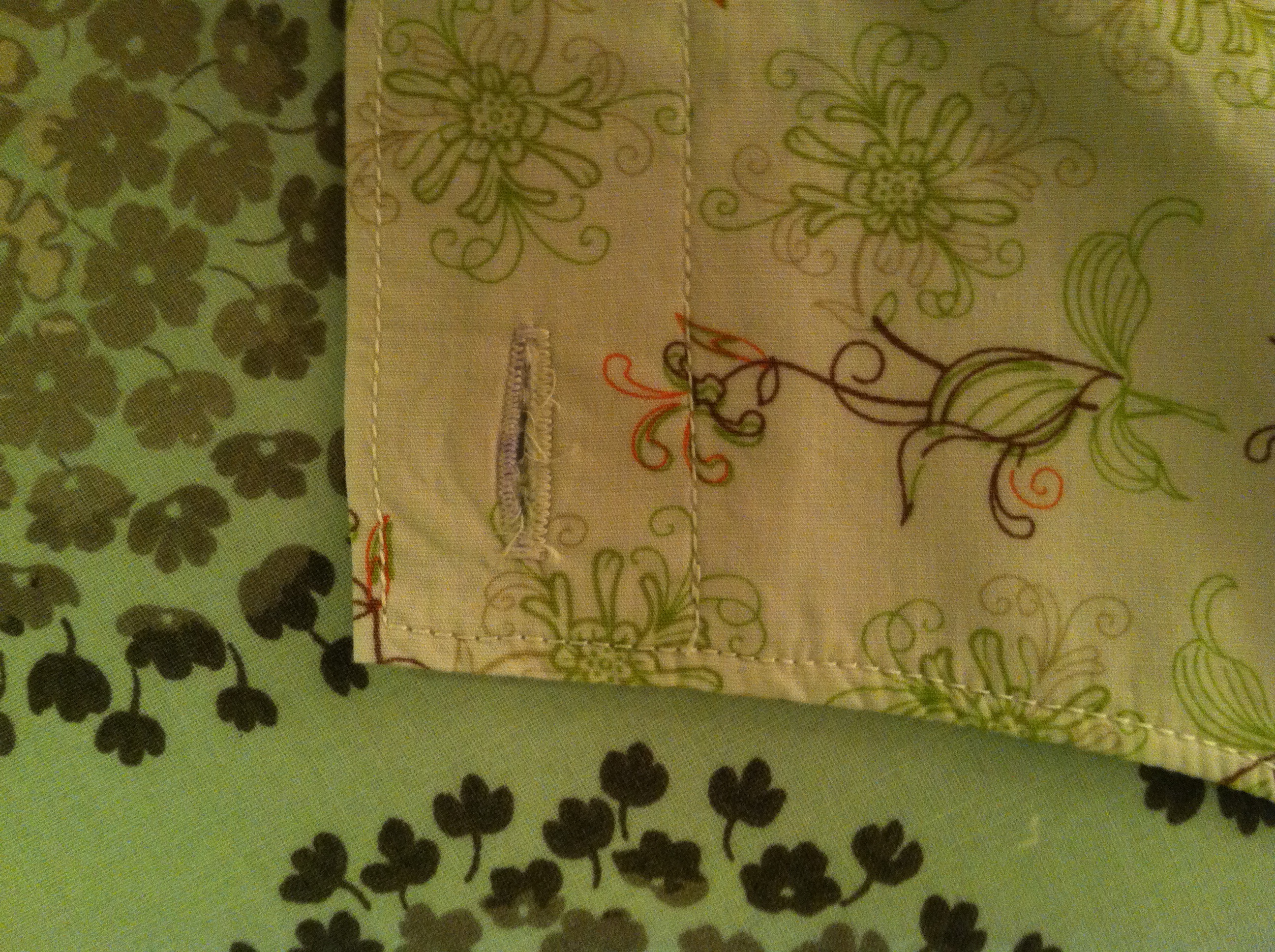
I added 2 inches to the length as I always do. I am not only tall but all my height is in my torso so I need those inches. Then I found that the length was a bit on the short side even with the extra inches so I had the idea to create a hem facing to maximize the length. I cut a strip about 2 1/2 inches wide and sewed it to the bottom of the dress and turned it up and sewed it in place. I sewed two rows of stitches as I usually do when I machine sew a hem but I misjudged the width and my top row of stitches didn’t catch the rough edge. I added a third row of stitches and ended up really happy with the result. Now I finish all my Bianca’s this way. It is a relatively simple style and I think the extra stitching adds a little something. A couple of my Bianca’s actually have four lines of stitching.

Sometimes my stitching is more even than other times but I have found that having things not be matchy matchy can actually be preferable and give the garment a little more charm. The stitching in the linen-y version above isn’t exact but I am really happy with how it looks on.

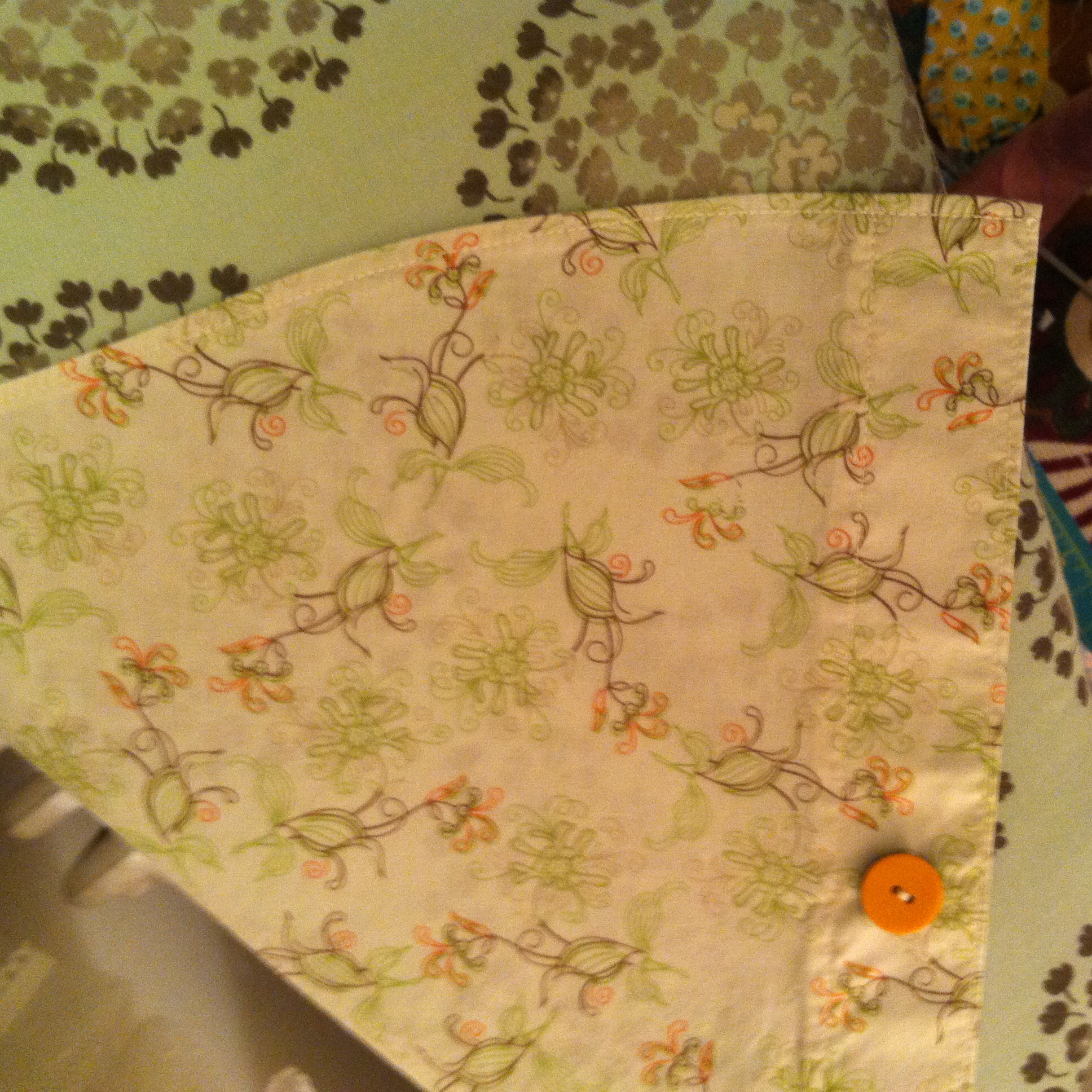
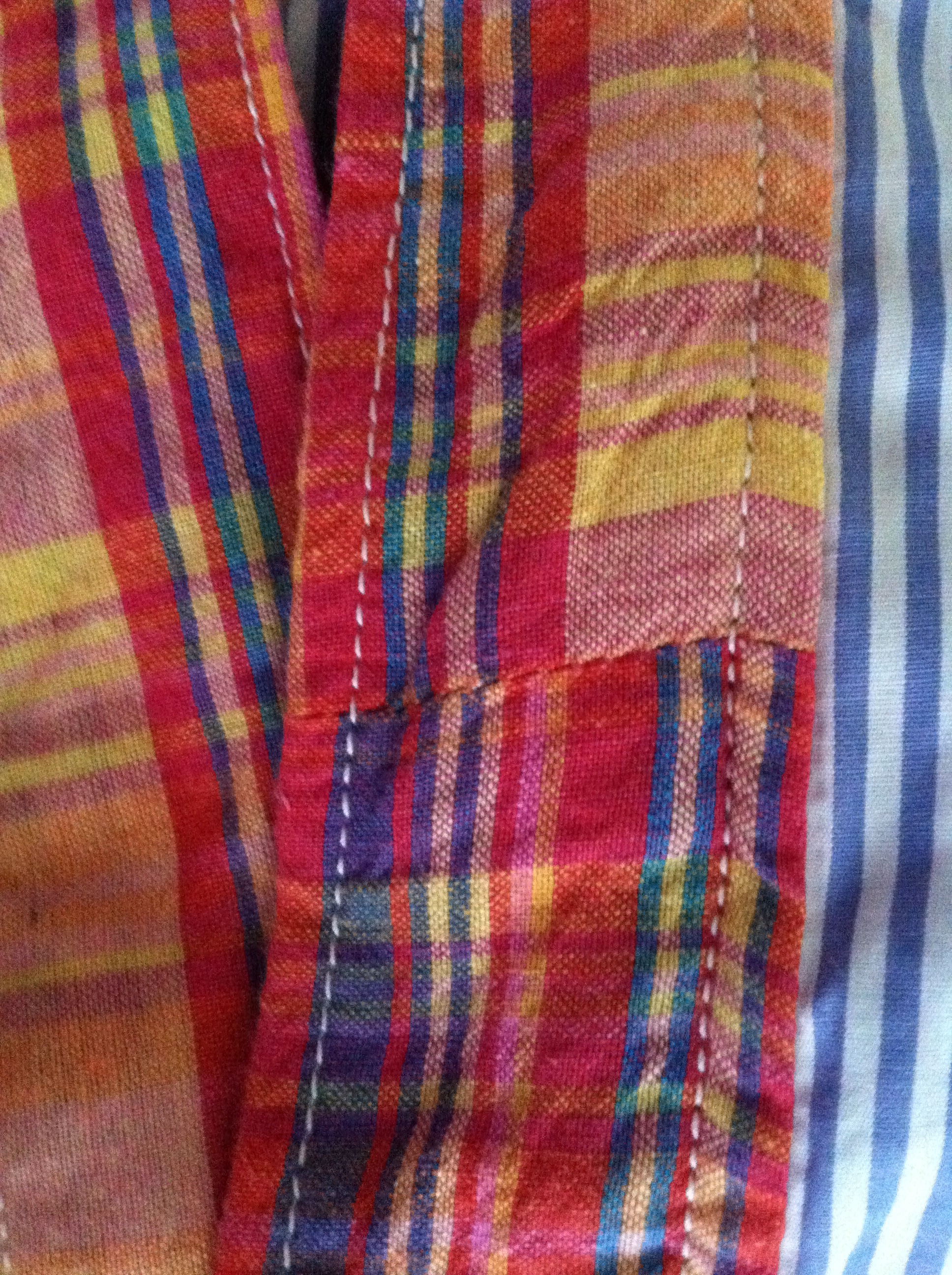
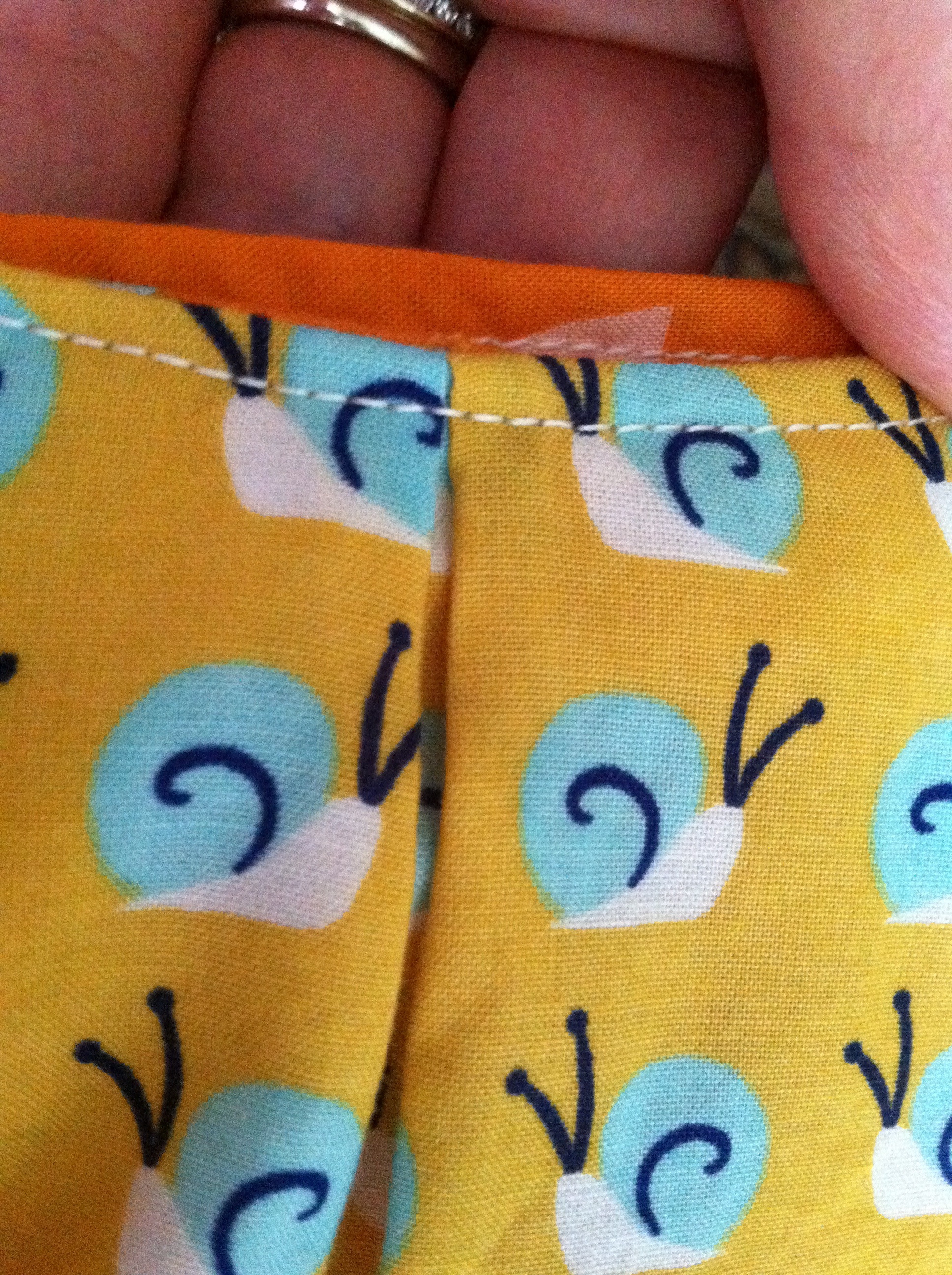
Some detail pictures to show what the lining looks like and how I finish the sleeves. Isn’t this Anna Maria Horner fabric beautiful? It makes me so happy to look at it. Picking the lining fabric really makes me happy because you can go a little crazy since just a bit of it peeks out. How about these pandas?

image

Not much more to say other than I love this pattern and I wear these dresses all the time.

Now that it is cold in Northeast, I wear the navy version with tights or leggings and a sweater. The rest are waiting for warm weather. This is another magic pattern from MadebyRae. You cut a couple of pieces that are basically shapeless, you follow the directions, and you end up with a flattering dress.I don’t know how she does it but I am a fan !

Fabric from Cotton and Steel, Pat Bravo for Art Gallery, Moda, Anna Maria Horner and Joannes (the linen-looking grey blue above.)


Standard
About Me, Made By Rae Patterns, Sewing, Washi Dress Pattern

Washi Madness

image

Almost one year ago on February 7, 2015, a snowstorm hit my town and clinic was cancelled at the hospital where I work. I had an unexpected snow day. I had gotten a new sewing machine for Christmas, I had set up my sewing room in my new house and I had bought a pattern that got rave reviews on the sewing blogs I follow and on this day, I ended up sewing my first garment. I used some fabric from a box in the attic to make a “wearable”  muslin and followed the very clear directions and at the end of the day, I had a dress.

image

image

I was so excited that I insisted that my husband take this picture. A feature of the Washi pattern is that there is shirring in the back that is created using elastic thread. The directions for how to achieve this effect are very clear and it feels like magic when it works just as it is supposed to.

image

The next day I bought some fabric to add a border strip and add length and the dress was finished. Amazingly although it was my first garment and it was full of little mistakes, it was cute and wearable and I wear it all the time.

image

I call the Washi my Gateway Pattern because it showed me that I could sew cute, flattering dresses and since that first Washi, I have sewn 7 more. I tend to make them in pairs because cutting out two is not  much more work than cutting out one.

I am tall (5’9″) so I add three inches in length to the summer versions and have been making winter versions to wear with tights or leggings and boots that I make a little shorter.  One thing I do all the time now is to face the hem with a contrasting fabric. It adds a little something to have the cute facings and I get a more even hem line. I machine sew all my hems which makes them go quickly. I line all the bodices using the techniques explained by Rae Hoekstra in her great videos which can be found linked to her Made By Rae website. I can make a Washi in an afternoon. It is a great feeling to conceive of a dress one day and be able to wear it to work a day or two later.

I have been making my dresses from quilting cotton but have a double gauze version in the works. Most of my fabric is from the Cotton and Steel line which is hefty but soft and works well for garments. I have also used many Art Gallery cottons which have a really nice feel to them. I love that all my handmade garments can be machine washed saving on dry cleaning expense. I see many more Washi dresses in my future. It is great to make something that you know will fit and that you know you will love!

Here are my 2015 Washi pairs and my first make of 2016 which is a version with sleeves.

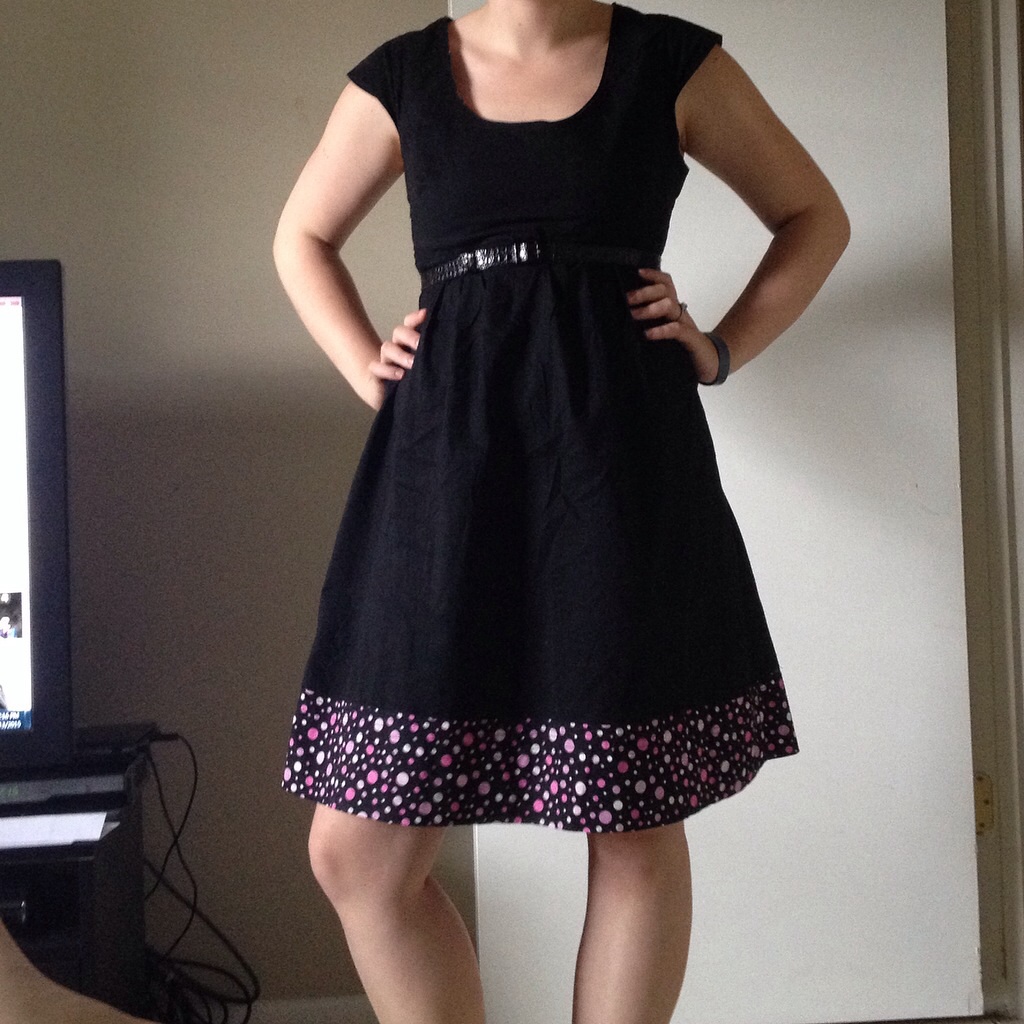
I made these two with black cotton from my stash and used scaps of fabric leftover from a quilting project to add contrasting borders and lining. When I sewed the black and white version the lining was slightly too big and I found that it had shifted up and created the effect of piping so I left it that way. The pink, polka dot version was for my daughter. Sarah likes to wear belts so she has styled it hers a couple different ways.

image

Details of black Washi dresses.

image image image

Styled with belts:

image image

Feeling confident after sewing my first three Washi’s from fabric in my stash, I bought fabric for two more. One was a light blue Lizzy House pearl bracelets version, inspired by Rae’s aqua washi made of the same fabric. The second I made with a beautiful Art Gallery fabric called Brooklyn Bridge.

photo (87)

I loved this fabric because Brooklyn was my home for 13 years. It is where I lived when my children were born. I used to walk over the Brooklyn Bridge to go to work in lower Manhattan and I crossed the bridge countless times over the years and on the way to the hospital in Manhattan to have each of my children so it has special meaning for me. I love the way the fabric is sort of stripey feeling without being too geometric. A special magic happened when I did the shirring and the bridge image popped out. I wore both of these all summer long. Great work dresses.

image image

behold the bridge!

photo (88)

This fall I decided to sew some Washi dresses to wear with boots and leggings. I added 2 inches instead of 3 to the pattern length and made these two from some of my favorite fabrics.

imageimage

The blue fabric is from Cotton and Steel and the pink is by Pat Bravo for Art Gallery. Love them both and wear them ALL the time. I lined the blue dress with mustang fabric left over from a Beatrix blouse.

My most recent Washi was made just yesterday from April Rhodes Bound collection fabric that I purchased when visiting my son in Austin. I was lucky enough to get to stop by The Cloth Pocket which packs more great fabric into a small space than any store I have ever been to. I bought several great future dresses. I added sleeves to this Washi. I used the sleeve pattern that you can print from the madebyrae website but I narrowed it and shortened it slightly. I didn’t use elastic because the sleeve was a little narrower. I am really happy with the fit. I lined the bodice with a lightweight batiste and did hem and sleeve facings with a pink fabric from my stash. Very cute with tights and boots.

image image

I added bra straps to this one using snaps on a thin piece of ribbon.

image image

I am in the process of finishing another sleeved version with double gauze also from the Cloth Pocket. I cut this a little bigger to allow for french seams. I love wearing double gauze but I find it tricky to sew with. It stretches and frays. So this one is taking a bit longer but I know it will be great when it is finished.

image

In celebration of my year of sewing, I plan to post on each of the patterns I have made this year: the Washi, Bianca, Ruby and Beatrix patterns from MadeByRae, the Voila blouse and Pocket Skirt from Cali Fae and the Pearl Shirt pattern from Green Bee patterns. Next up, the Bianca!


Standard
Made By Rae Patterns, Sewing

Mudan Moss Beatrix Blouse

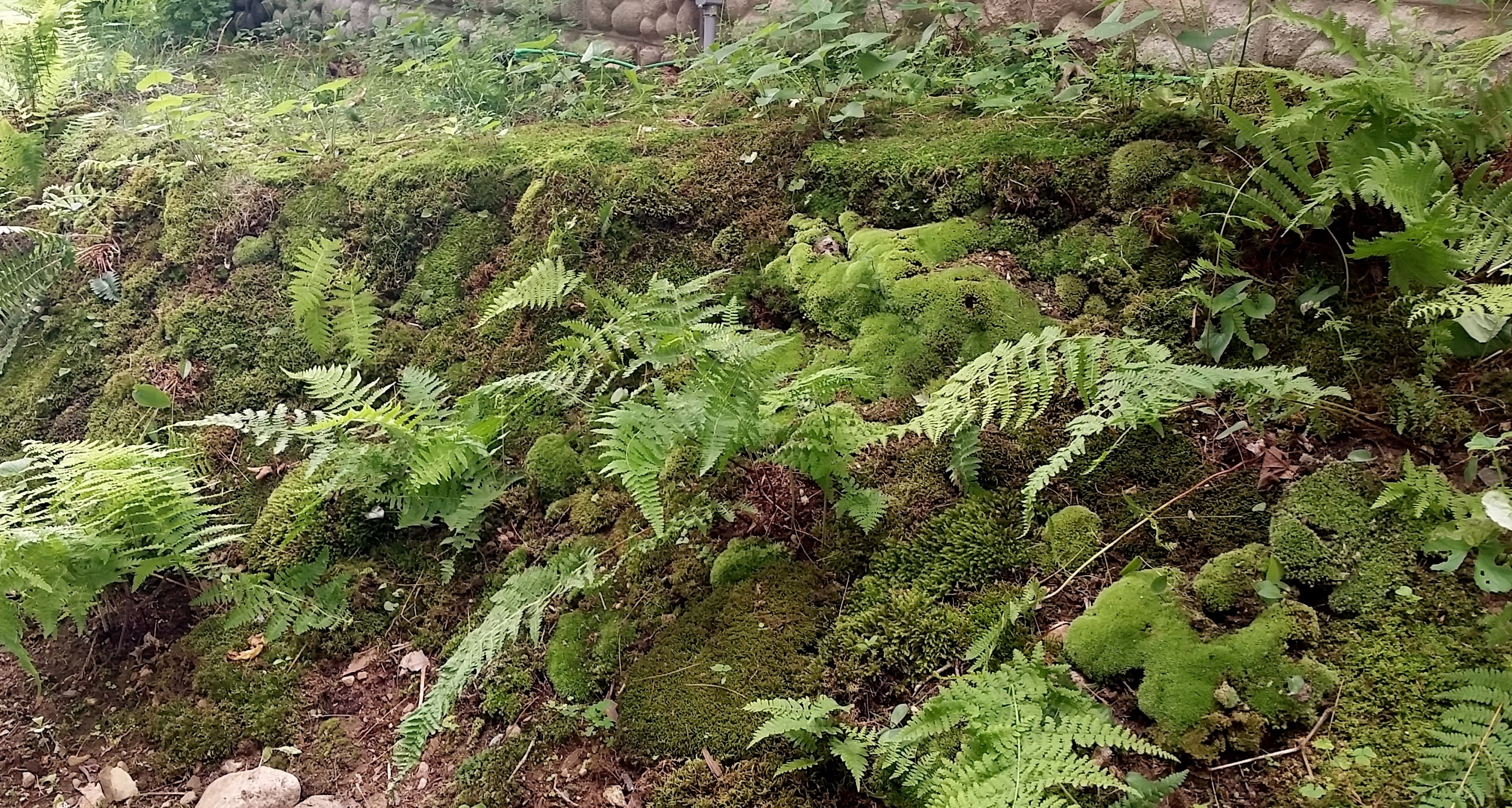
A mudan is a type of woody peony native to China. For my sleeved version of the Beatrix blouse, I chose an Art Gallery fabric called Shanghai Edition Mudan Romance Moss. The fabric appealed to me because the lacy design evokes the ferns that my husband loves to plant.

moss fabric

I also gained a whole new respect for mosses after reading The Signature of All Things which is a great book. If you haven’t read it yet, you should! This has been a summer of ferns and mosses.

image

Moss on a rock in Acadia earlier this summer

We have an area along the side of our house that was torn up when the prior owners set about to widen the driveway. They hadn’t planned to sell and ended up leaving the driveway as well as several other home improvement projects unfinished. In an effort to stem erosion and be budget-minded, my husband has been planting ferns and mosses that he has collected. He buys all our produce at a local farm and they generously allow him to bring specimens back from their wooded area and transplant them alongside our house. My husband has really enjoyed this project-I think he even surprised himself- and it has become somewhat of an obsession so when I saw this fabric on sale it appealed to me and I thought it would be perfect for a Beatrix blouse.

A woodland garden. All we need are fairy houses

A woodland suburban garden. All we need are fairy houses

I waited to make my real version of the Beatrix until Rae did the Beatrix sewalong and I am so glad I did because her tips were excellent and her directions very clear. I ended up following along a few days late because weekends are when I work long shifts as an RN and no sewing happens but I was able to catch up and do a couple of the steps each night.

image

Stylish fabric weights

This time I read Rae’s very clear guide of how to choose your size. Funnily, I ended up with the same size I always cut, a Medium with an added inch since I am tall.

image

I added an inch to the sleeves and to the front and back and button placket

I experimented with a wider tuck of a tiny bit of fabric along the neckline. Next time around I will use the hollow chest adjustment that Rae recommends in the sewalong.

image

front of finished beatrix blouse with tucks at neckline

I had fun picking out buttons.

I used orange buttons from my button jar.

image

I used 7 buttons due to the added length. I only had 6 orange.

The top button is slightly more red.

image

I followed Rae’s very clear instructions for the curved hem.

image

image

curved hem enclosed in button placket

I love the way the design of the blouse has the button placket enclosing the hem and the neck facing for a clean finish.

image

facing is enclosed in button placket

image

Rae suggests securing the facing by sewing in the ditch of the shoulder seam. I have more luck sewing just to one side so I did that here. I also top stitched around the neckline

image

There will definitely be more Beatrix’s in my future! Great pattern and great tips on Rae’s blog.

image

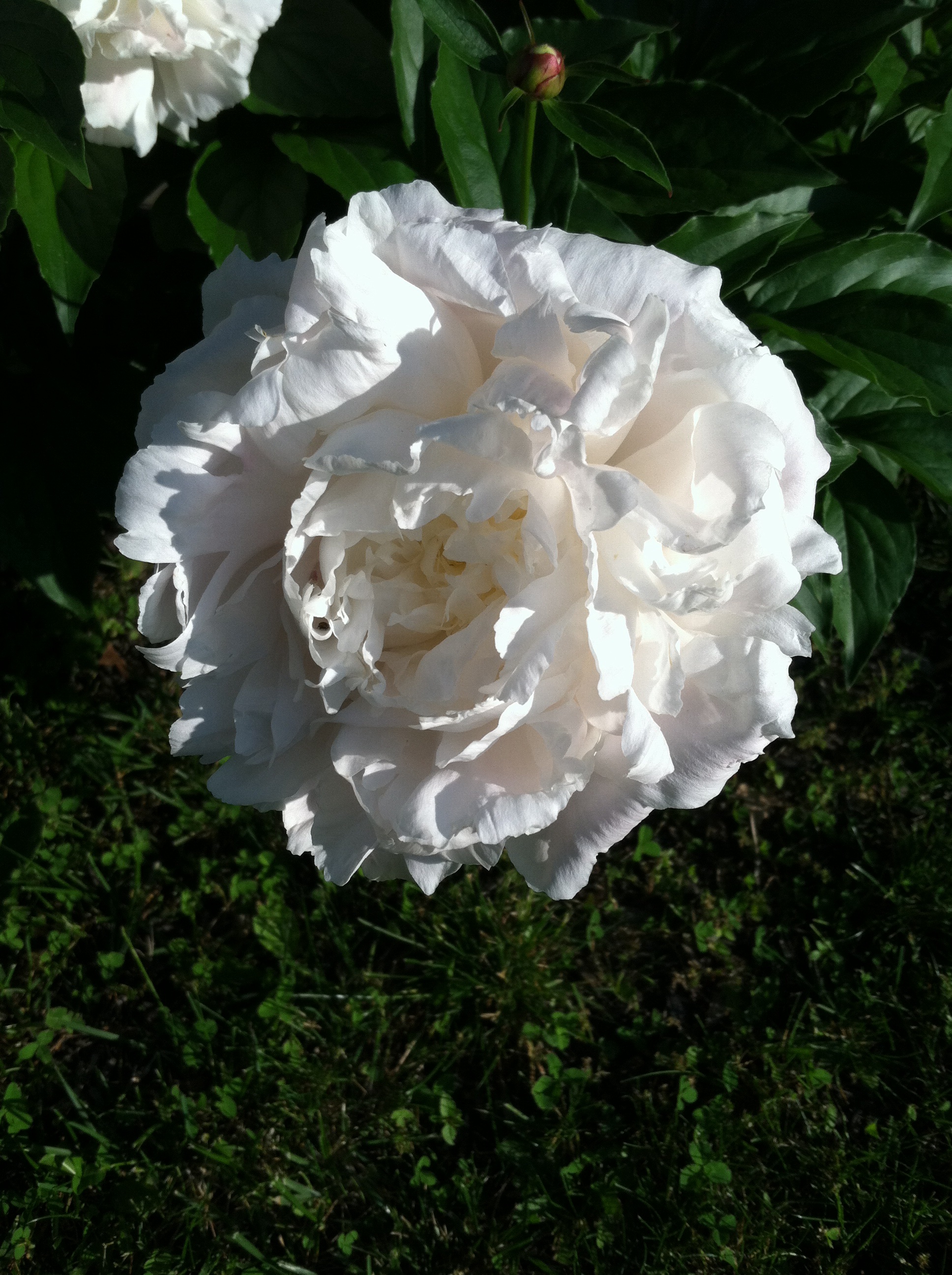
peony from our garden this spring. So beautiful!

image

image

image

image

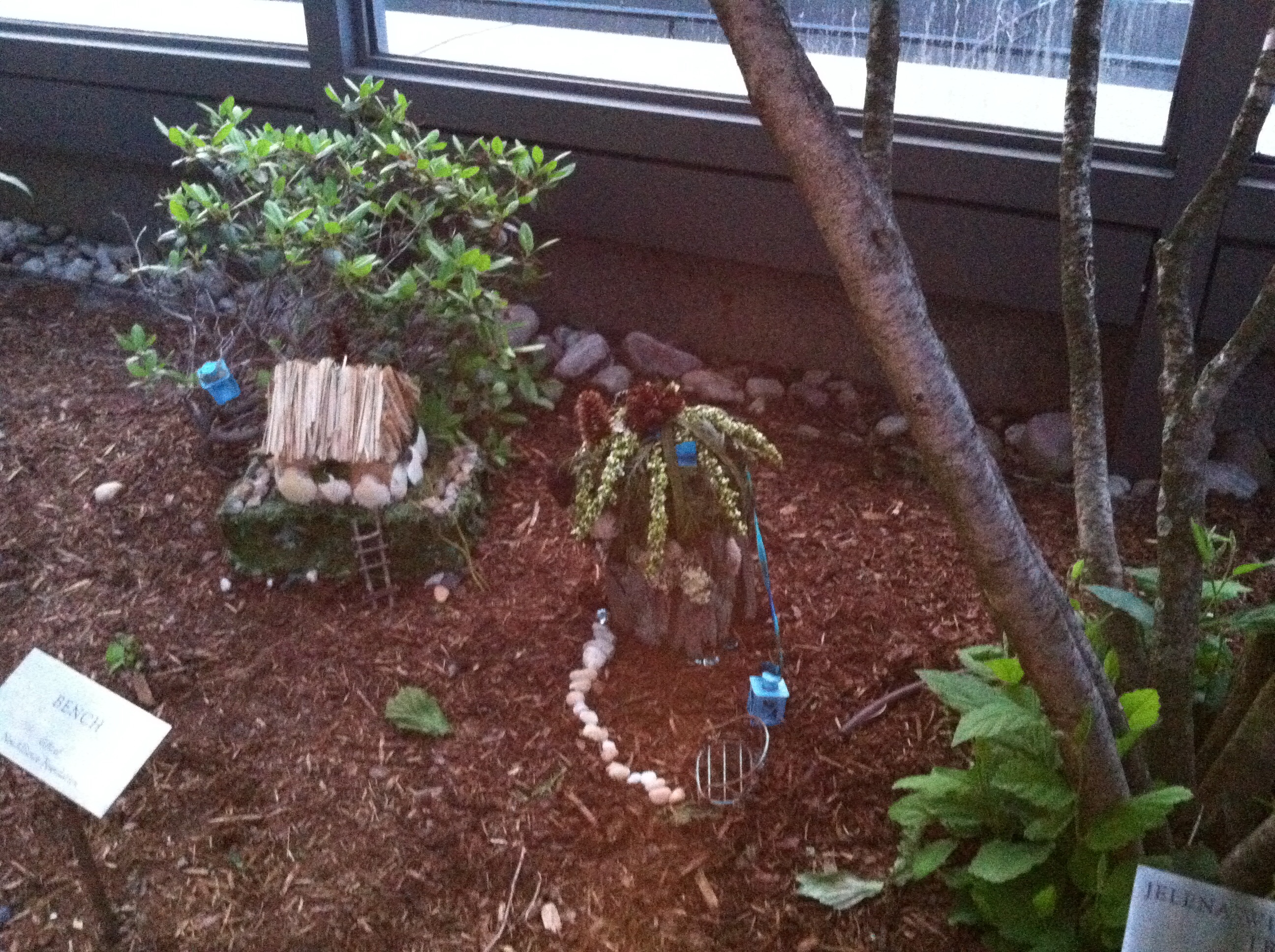
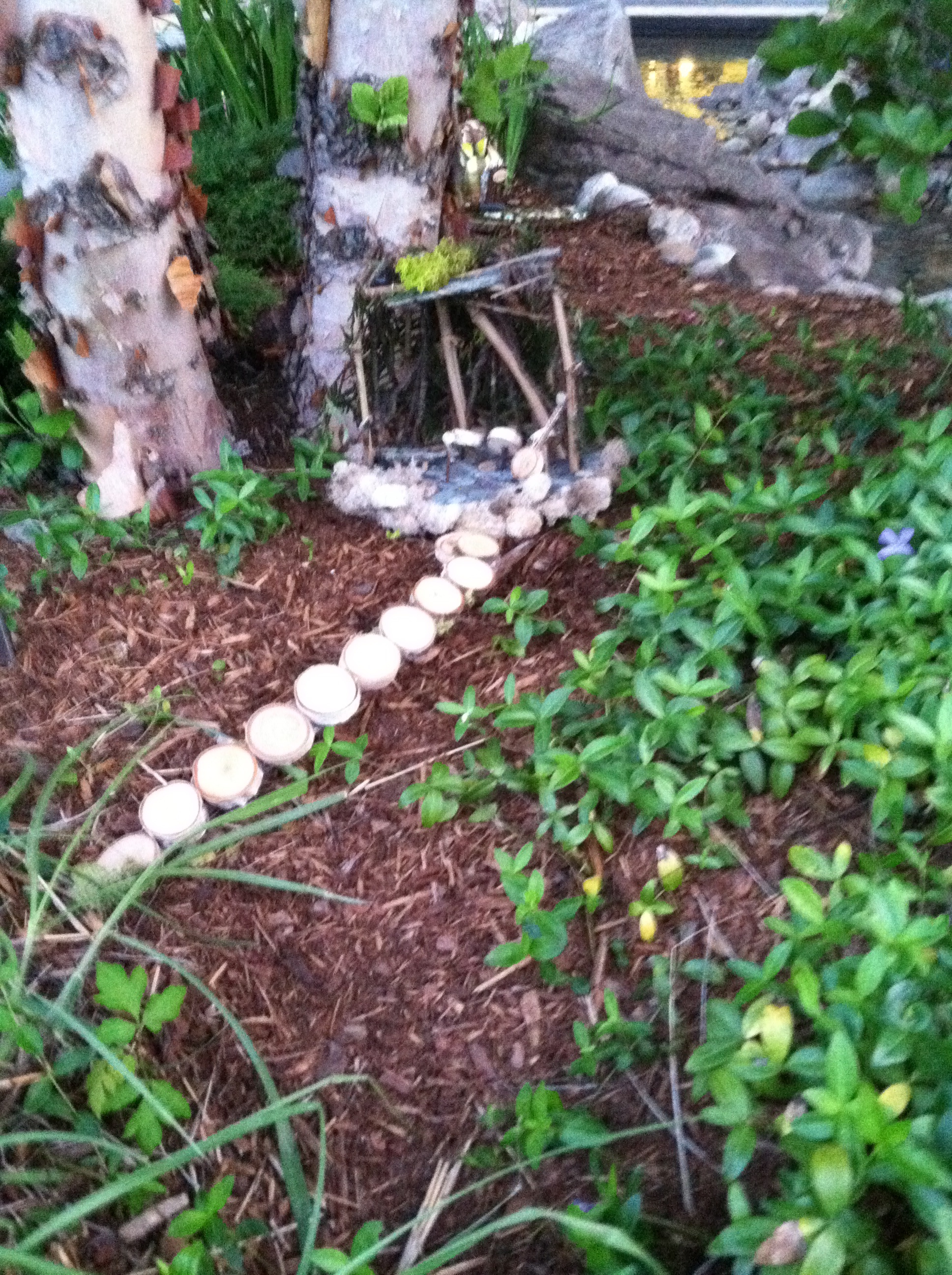
Fairy houses from the healing garden at the hospital. They were made by patients and their families. Magical!

Standard
Made By Rae Patterns, Sewing

Lotus pond Beatrix blouse

#thisisthebeforepicture

#thisisthebeforepicture

image

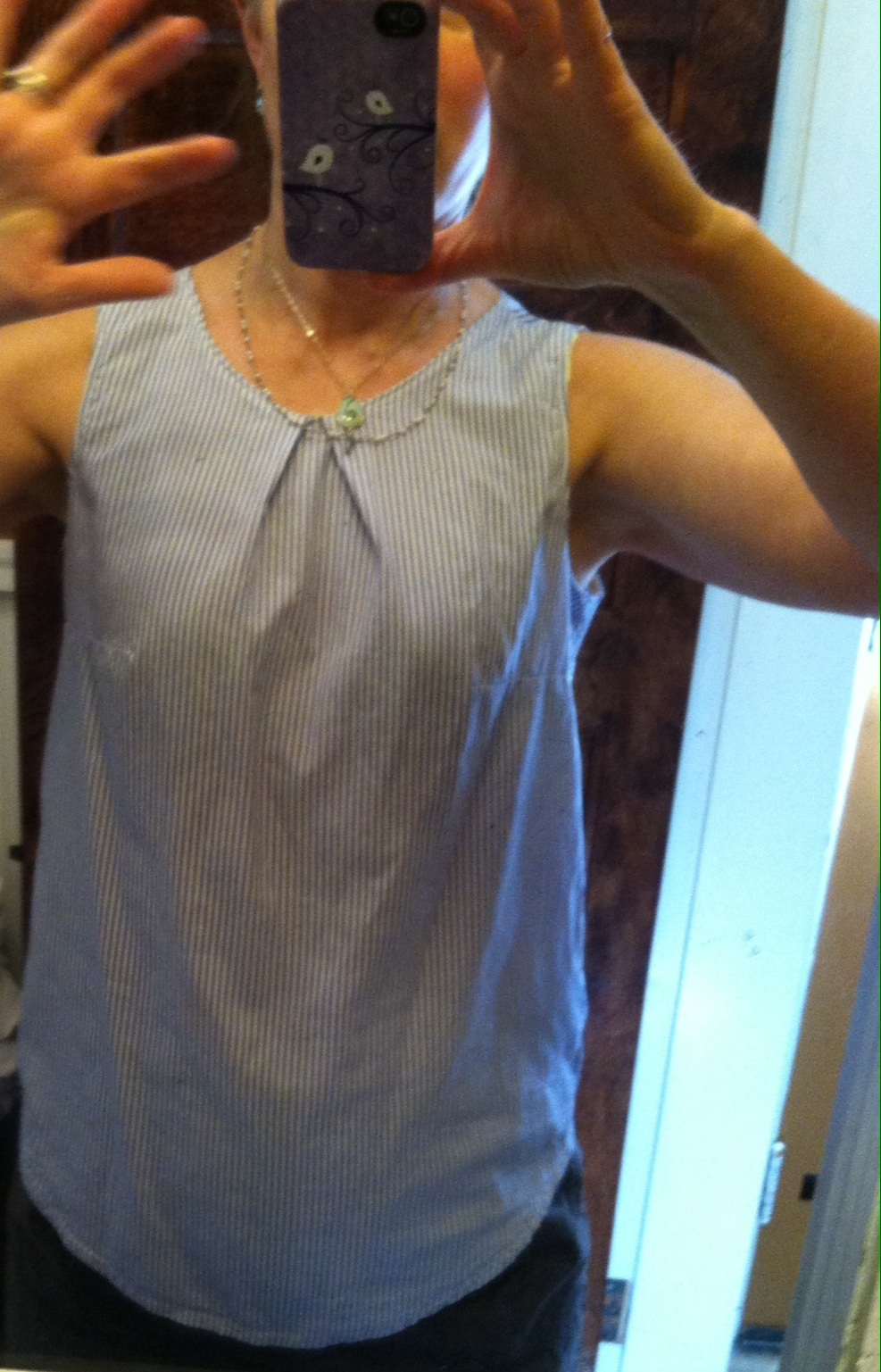
small tuck basted into neckline-measures half an inch

My first real experience sewing was as a quilter and I think that the quilter in me informs my garment sewing. I love finding a way to use a scrap of pretty fabric or combine quirky patterns to make a straightforward pattern more interesting. I am happy to piece together scraps to make new fabric to then cut out the shape with the extra seam adding to the design. I am happy when faced with a challenge of not having enough fabric for a particular design and having to innovate-usually!

pieced button placket due to tiny size of scrap

pieced button placket due to tiny size of scrap

I decided to make a second sleeveless Beatrix in order to try the fit of the Beatrix using real, i.e. non-previous shirt, material to test the fit before cutting into the garment fabric that I bought for my #beatrixalong blouse with sleeves. After making the first blouse, I noticed that the neck gaped a bit. I played around with pinching a bit of the front bodice fabric in front of a mirror in order to figure out how much to adjust the pattern and I noticed that the drape of the fabric changed for the better with that minor tweak. I tried sewing a tiny pleat into the neckline-which was already finished but I just hand-sewed a few basting stitches-and I really liked the way the front of the blouse looked with the tuck so I wanted to try it out again in a planned way. I also wanted to try sewing the neckline facings instead of using bias binding. So I found some leftover lotus pond fabric and I planned a second blouse incorporating some of these changes.

tuck top stitched in place

tuck top-stitched in place

inside view of tuck-measures 0.5 inch across

inside view of tuck-measures 0.5 inch across

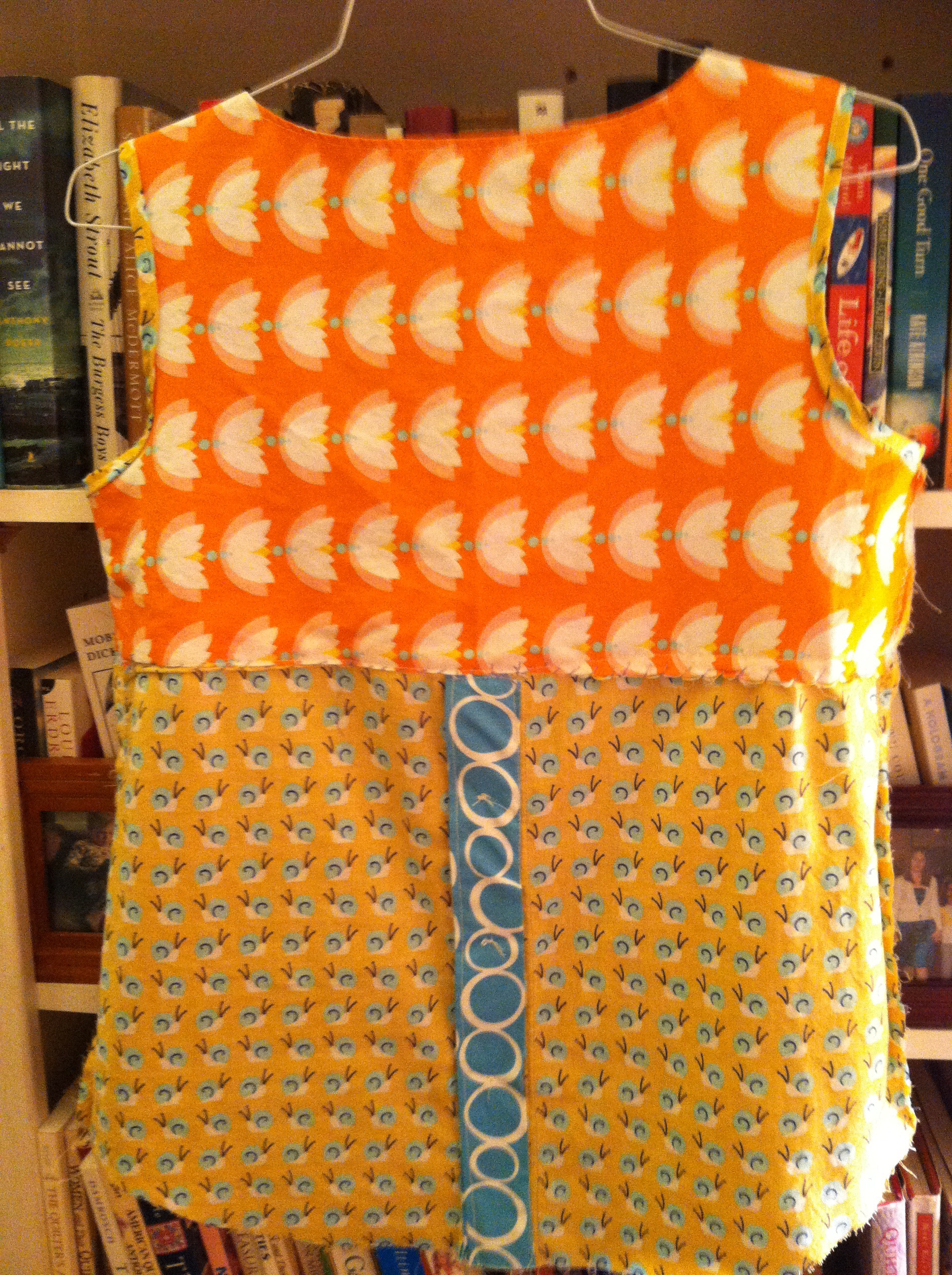
I realized after sewing the first blouse that I had no problem putting it on with the buttons buttoned so I thought it would be fun to try it with a one-piece back bodice-partly because I only had three matching buttons of the type I wanted to use and partly because I didn’t have enough of the main fabric to cut out the front and back pieces of the shirt in one piece and I didn’t think that the snail fabric would be as forgiving as the tiny stripes in terms of hiding my extra seams from piecing.

imageimage

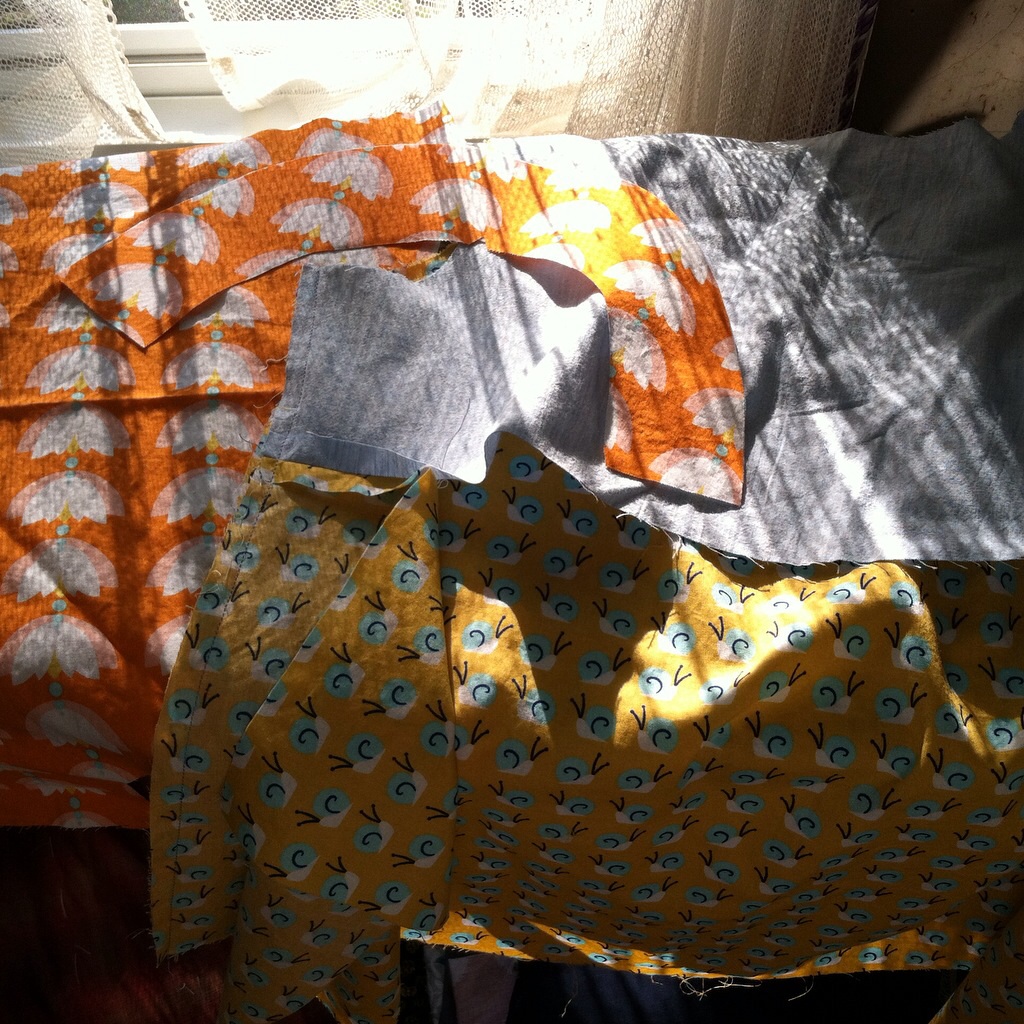
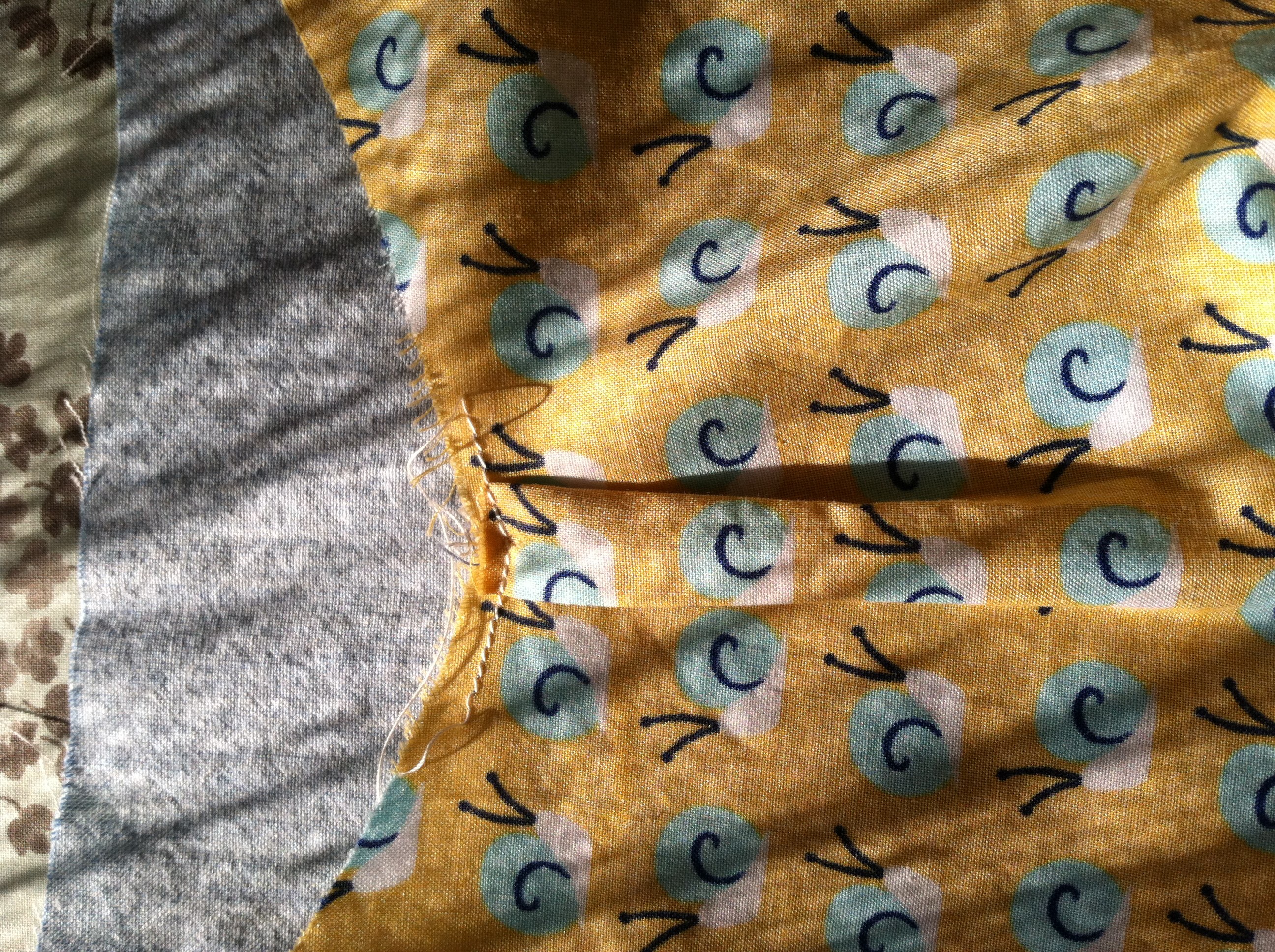
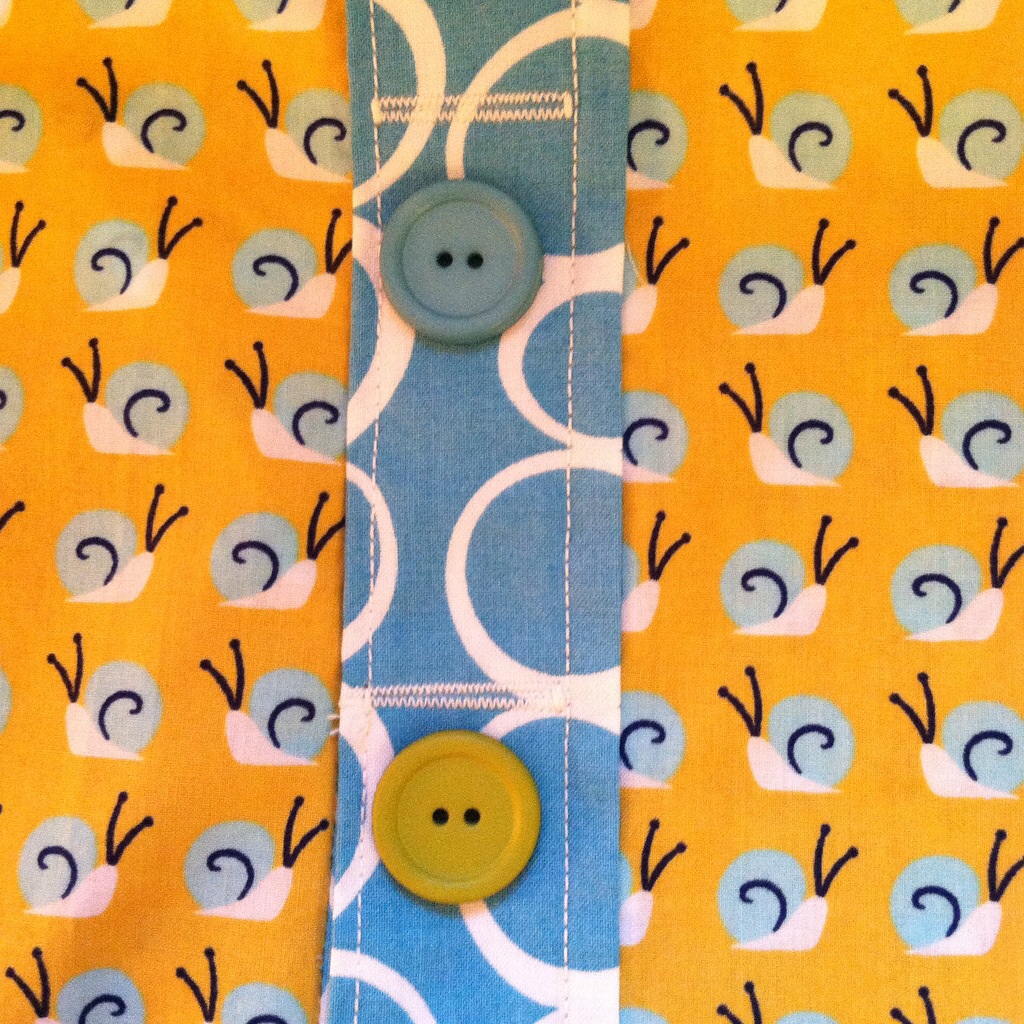
I cut the front of the blouse out of the main fabric and used a scrap of light blue chambray that had previously found its way into two ruby dresses for the back one-piece bodice.  I measured the finished back width of my previous shirt and added seam allowances. Since the chambray was potentially more stretchy than the quilting cotton, I had the idea to line the back one-piece bodice with a scrap of orange water lily fabric also from Rae’s Lotus Pond collection. I didn’t have a big enough piece to cut on the grainline so I shifted it 90 degrees and the flowers flow sideways which worked fine. I cut the front facing from the same orange fabric. For the button placket, I used some turquoise bubble fabric left over another project. I finished the arm holes with bias tape.

imageimage

In the spirit of not spending money and using what you have, I found three buttons-one turquoise and two green-in a button jar I was given by my daughter. While the green doesn’t exactly match, it makes the top a little more quirky which I like.

image

The top is all done except for the hem and I am very happy with the fit and how it turned out. There are two things I would change next time though. One is that I would make the back one piece bodice a little shorter and the button placket a bit longer. The second is that I would loosen the front tuck a bit. I noticed as I wore the first Beatrix that the basting stitches I put in to test the size of the tuck had loosened and I was happier with the looser tuck and the way the fabric draped when the tuck loosened so I plan to try it out on my next project which is my #beatrixalong blouse-to be made all from the same fabric and with three quarter length sleeves. I also may adjust the back, armholes and sides a bit to make them more snug the next time I make a sleeveless version. I did that without planning to when I made the first blouse from my husband’s shirt because I had to scrimp on fabric since I didn’t really have enough but oddly, the fit turned out better.

I am also planning to try the reverse-a beatrix with a button placket on top and a flowy one piece bottom piece. I think that’s a natural and a good idea for when you only have two matching buttons! There are also going to be many more upcycled shirts using those great former banker shirts in my husband’s closet. #wastenotwantnot!

loosened tuck = flattering drape

loosened tuck = flattering drape

I find that I sew the way I cook. I read the instructions but I make little changes along the way, sometimes without realizing what I did. Hopefully blogging will make it easier to re-create my happy mistakes!

Standard
Made By Rae Patterns, Sewing

Beatrix Blouse part 1

imageimageimage

Once upon a time, I was a young mother in a great neighborhood in Brooklyn with a fabulous sewing store. I took classes and learned to quilt and sew simple children’s garments and I was a member of a great group of women who were my Tuesday night quilting group. It was a huge part of my life for many years. Then things got busy and complicated and I had many years during which sewing was the thing I hoped to do again some day although part of me worried that day would never come.

Well, amazingly, that day came this winter when a massive snow storm hit my town and I couldn’t go to work. I had been reading sewing blogs and planning all the things I might sew when I finally had the time,  I had recently moved and had claimed a small room on the second floor that used to house linens and made it into my sewing room and that day I made a dress pretty much start to finish. The dress was a Washi by Made-by-Rae which anyone who reads sewing blogs has probably made multiple times. I call it the gateway pattern. Since that day in February, I have made 10 dresses, 2 skirts and four tops, most of them with patterns that Rae designed and they are wonderful. I have a mostly me-made summer wardrobe that I enjoy wearing thanks to Rae. I have thought about blogging since I started sewing again in order to share the pearls I have learned along my journey. When Rae announced that she was coming out with a new pattern, I decided to take the plunge. And so here is post #1 on my first attempt at the Beatrix Blouse.

My approach with the Made-By-Rai patterns I have made so far-the Washi, the Ruby and the Bianca-has been to make a medium and lengthen by 2 to 3 inches because I am tall-5’9″- and I wear most of these dresses to work and I don’t want the skirts to be too short. I always make a muslin and I try to be budget-minded and not spend money on the muslin.

image

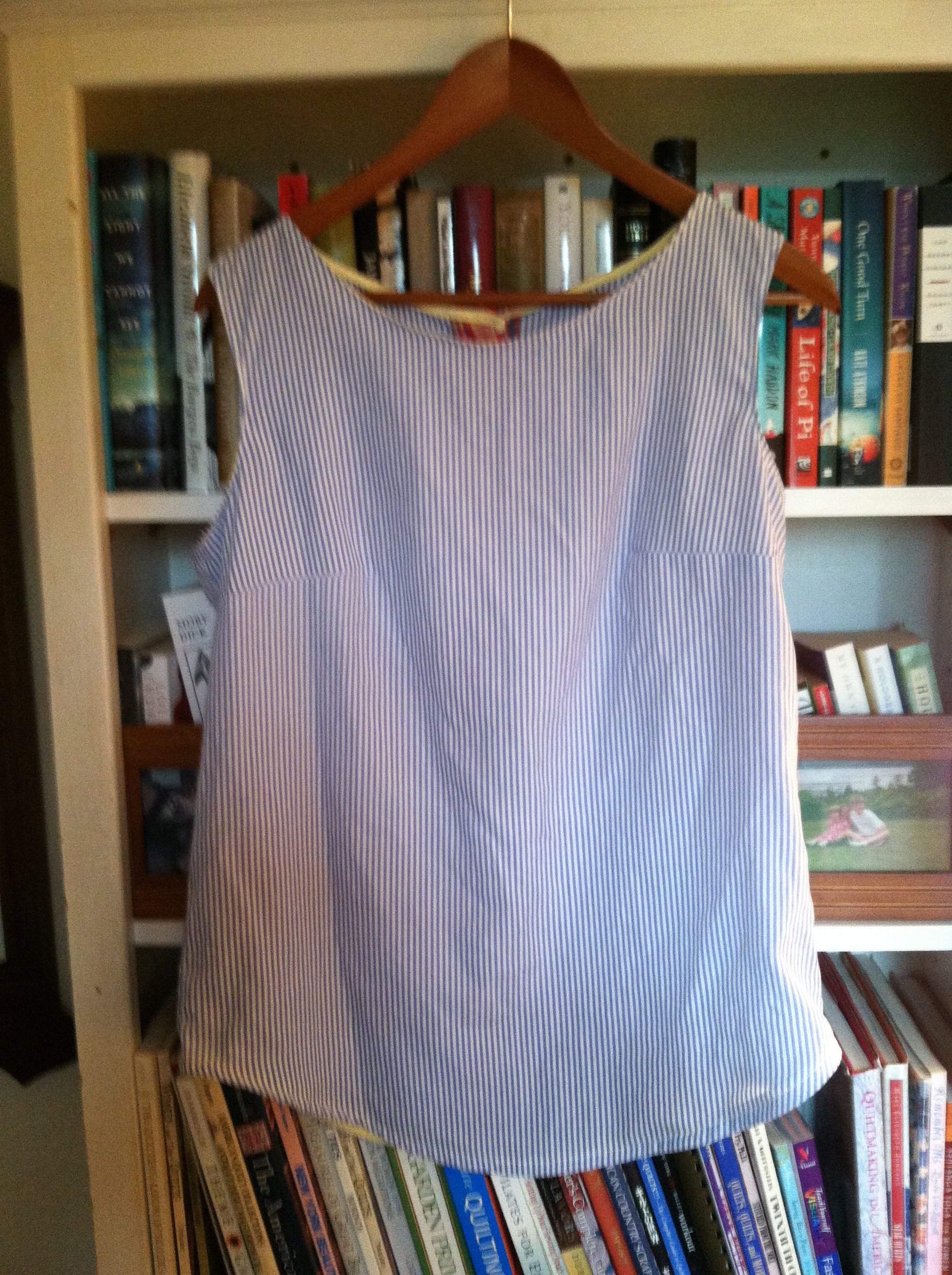
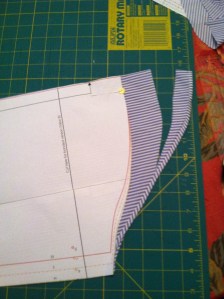
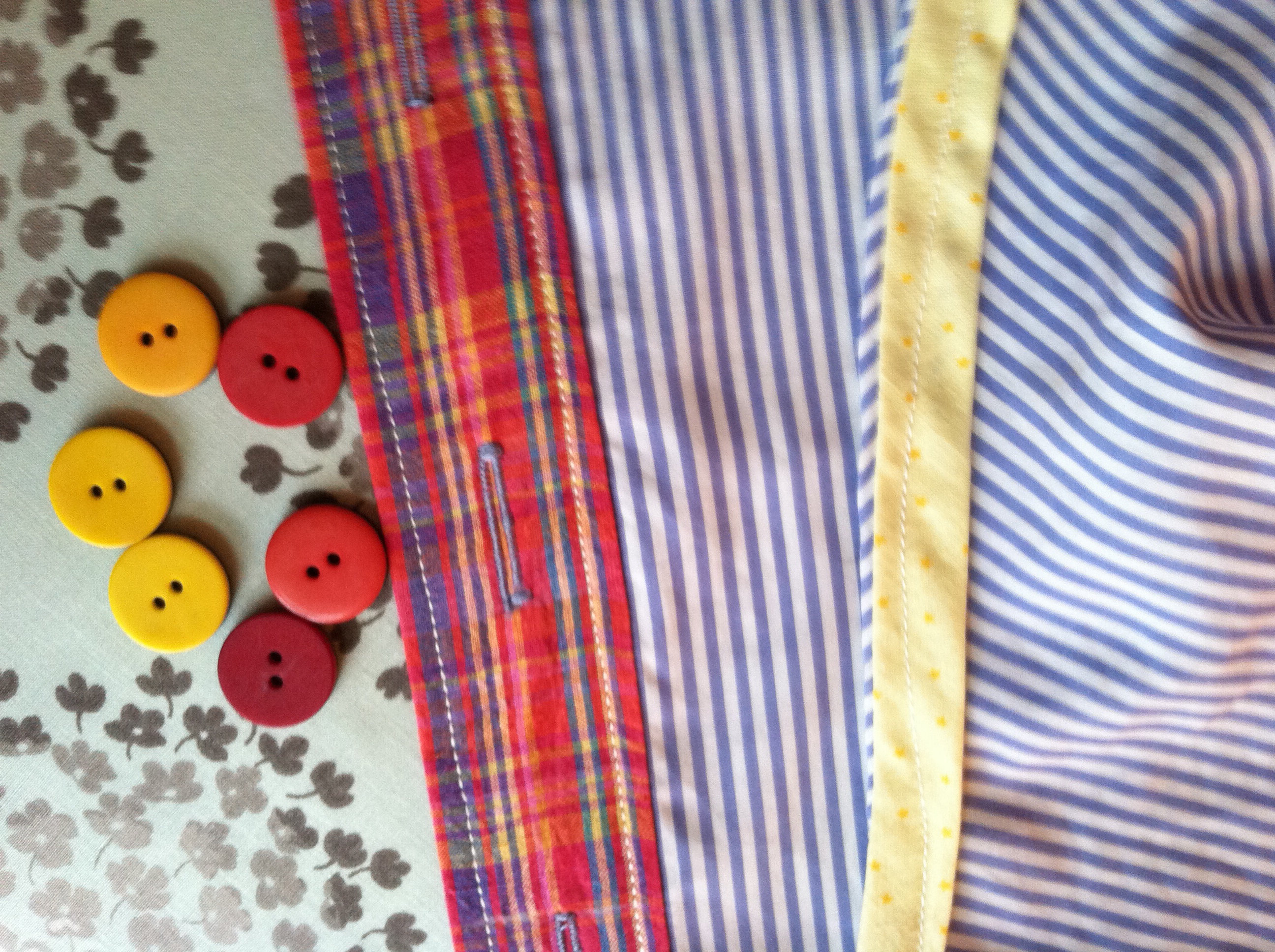
My husband gave me several gently worn striped men’s dress shirts and I thought I would try to use one of those to make a sleeveless Beatrix to check the fit and have a wearable muslin. I cut the shirt apart doing my best to preserve the biggest pieces of fabric. I was easily able to cut the front bodice out using the back of the shirt. I ended up making the button placket view of the shirt-view B-because I didn’t have enough fabric to cut the 2 view A back pieces and I ended up having to do some creating piecing to get enough fabric to make the shirt. It ended up being a bit of a project-not at all the simple muslin that Rae recommends! But it was a fun challenge. Probably the quilter in me. I used a madras plaid fabric scrap for the button plackets and had fun sorting through my button jar to find enough buttons. They are mismatched but I think that adds to the fun.

image

I used self-made bias binding on the neck, armholes and the hem. I did it quite quickly since this is going to be a wear around the house top. My original plan to lengthen the pattern fell through when I mistakenly sewed the bias binding on the wrong side of the hem-too tired much? Since this was  a muslin I just took my rotary cutter and cut it off along the seam line and made new binding tape. Luckily the length ended up being fine so good to know.

The great thing about the first go at a pattern is that you flush out many of the mistakes and tricky parts so that you will be better prepared the next time. The pattern is pretty straightforward and the fit seems good, even without lengthening it. My version is shorter on the sides because I had to work within the existing lines of the shirt. I actually enjoyed the challenge of making the pattern work with the odd shapes pieces of the shirt. I pieced the back and created a short of belt effect by turning the fabric 90 degrees. I also pieced one of the lower back pieces of the bodice because I had run out of bigger pieces.

I also noticed that on me, the front neckline seems to gape a bit so I may adjust the front bodice to be slightly more narrow-perhaps half an inch-on my next version to see if that helps. I might also lower the neckline slightly. Otherwise I am very happy with it and looking forward to the Beatrix Sewalong that starts this weekend. I have found Rae’s tutorials to be really helpful and refer back to them often. She does a great job of breaking the steps down and I have had really good success with making garments I enjoy wearing.

Best thing about the Beatrix? #buttons 🙂

image

Standard