
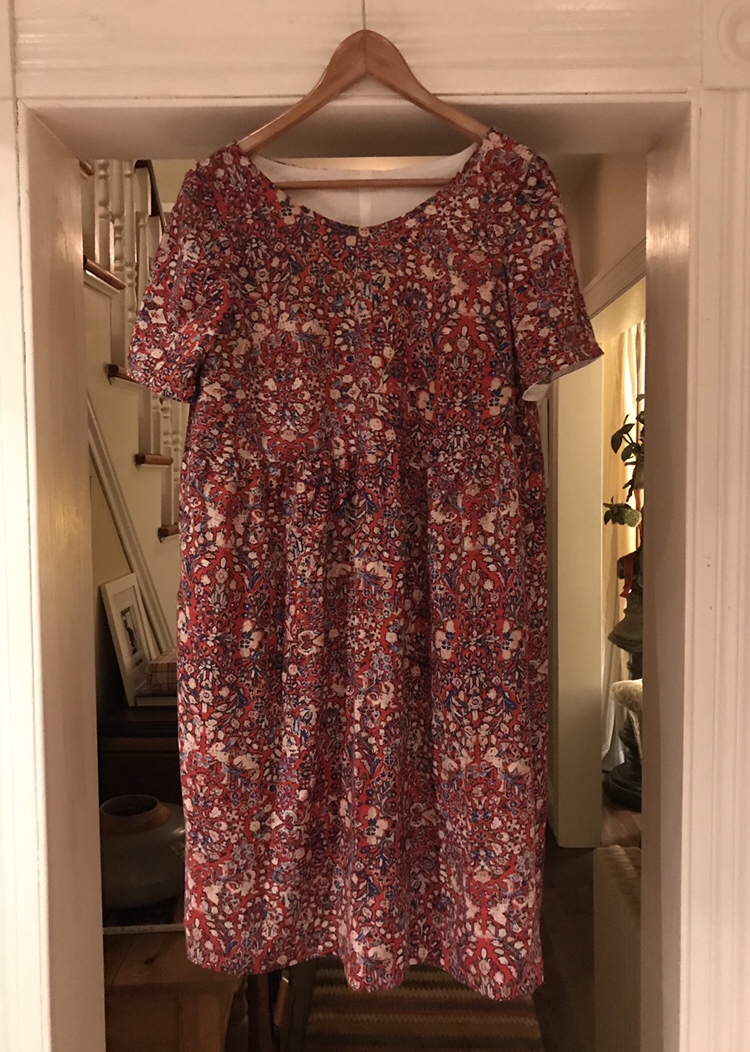
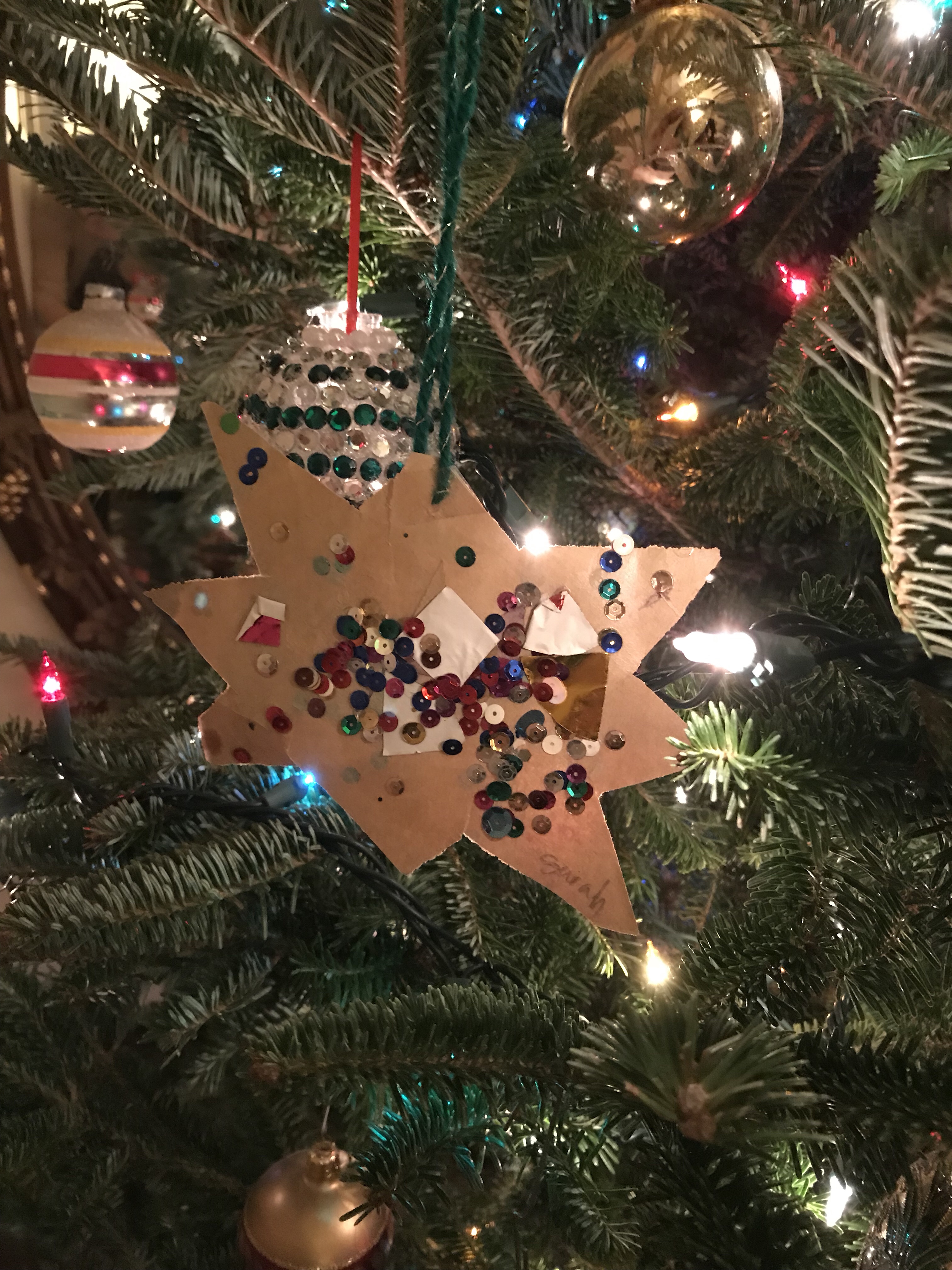
When I first saw this beautiful April Rhodes fabric last summer, I knew that I wanted to make something with it. Red is not normally a color I gravitate to. Most of my handmade garments are blue or yellow but I loved the fabric so I bought a couple of yards. I thought it would be perfect for a holiday garment (tree close-up with ornament made 25 years ago when my daughter was in preschool, sob.)
Then life got busy, as it usually does. I teach nursing students for 12 weeks in the fall in addition to my regular Monday-Friday job and there isn’t time for much sewing. That gave me a lot of time to think about what to make. This summer I made this dress.
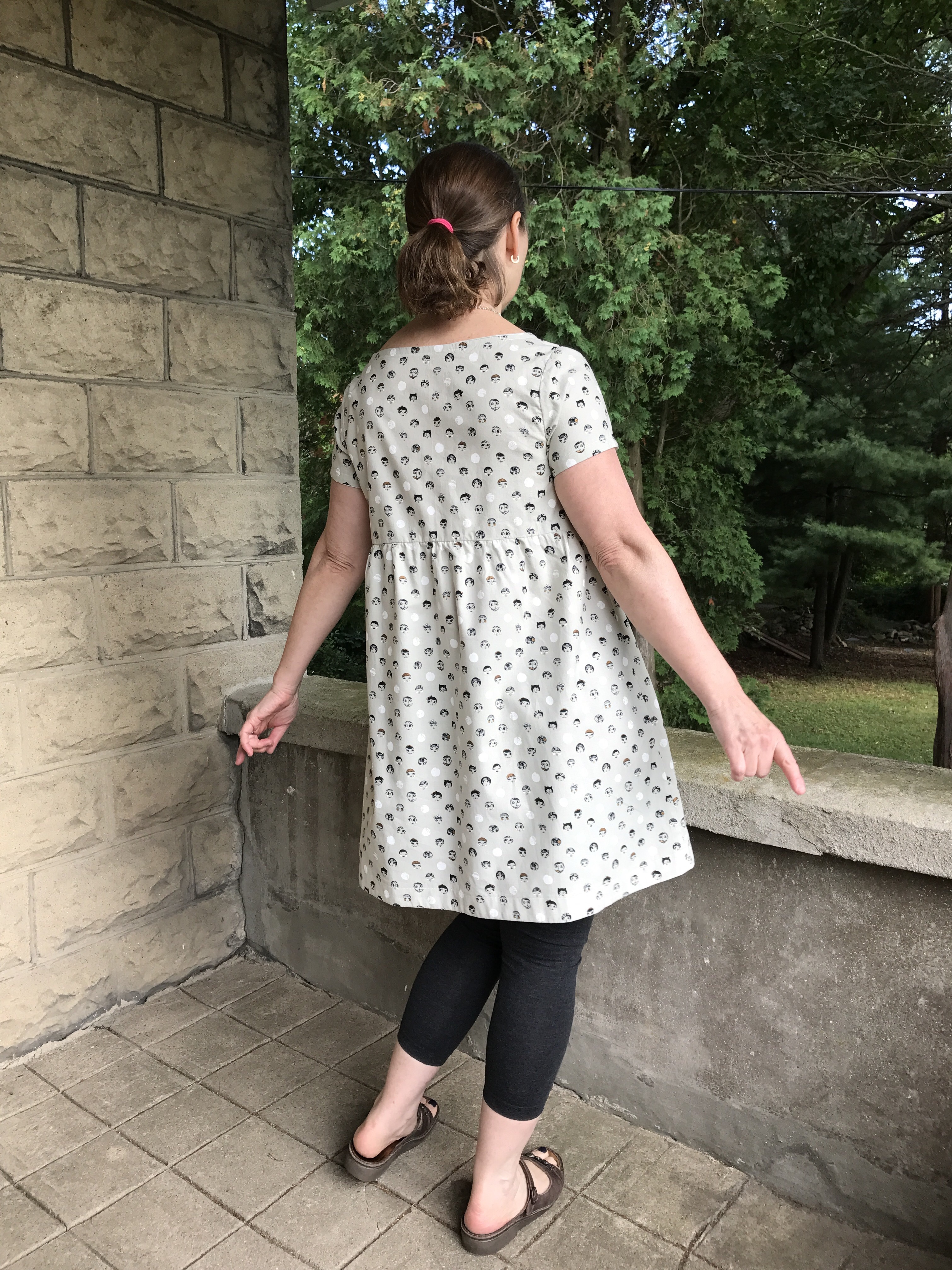
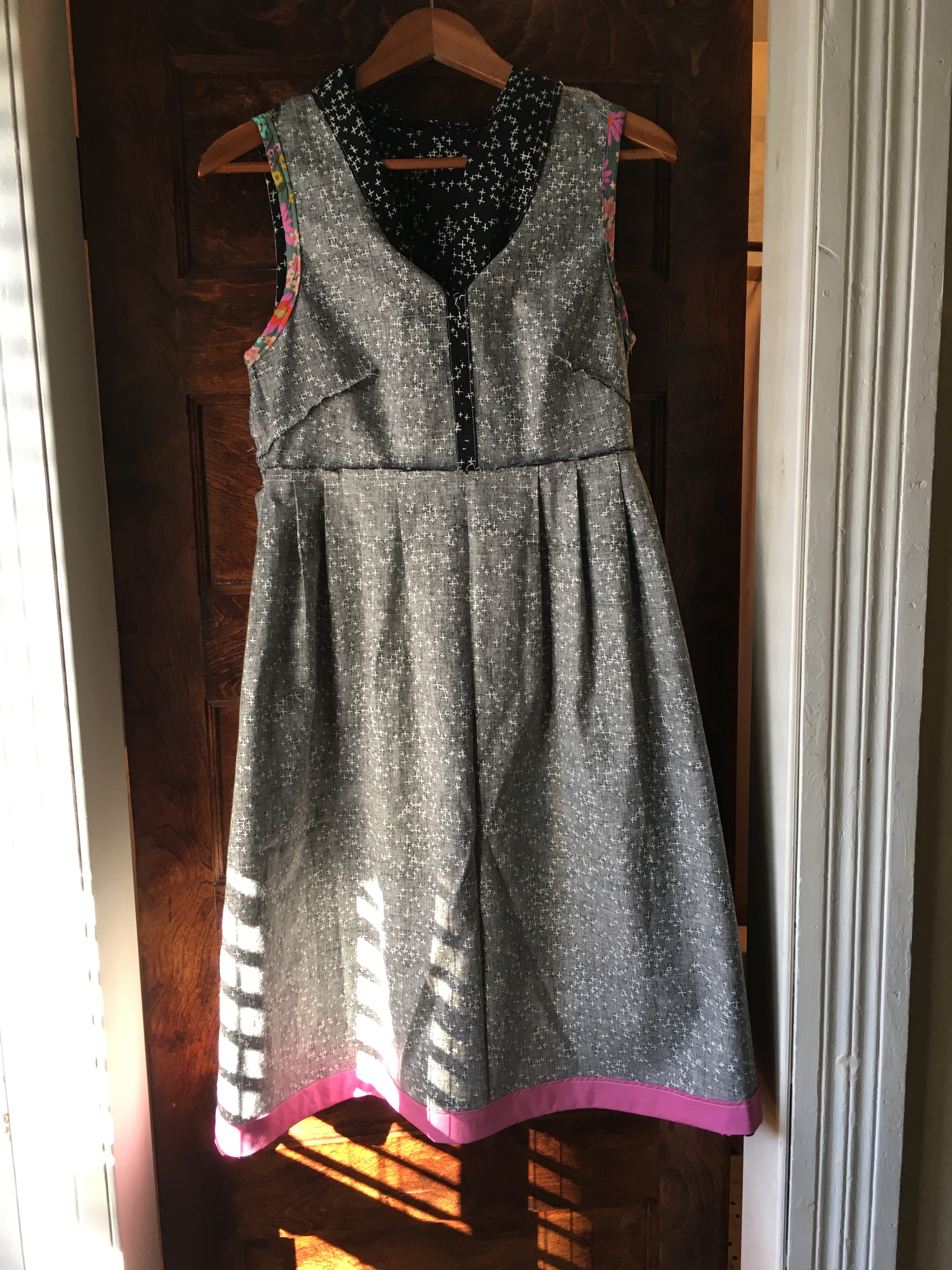
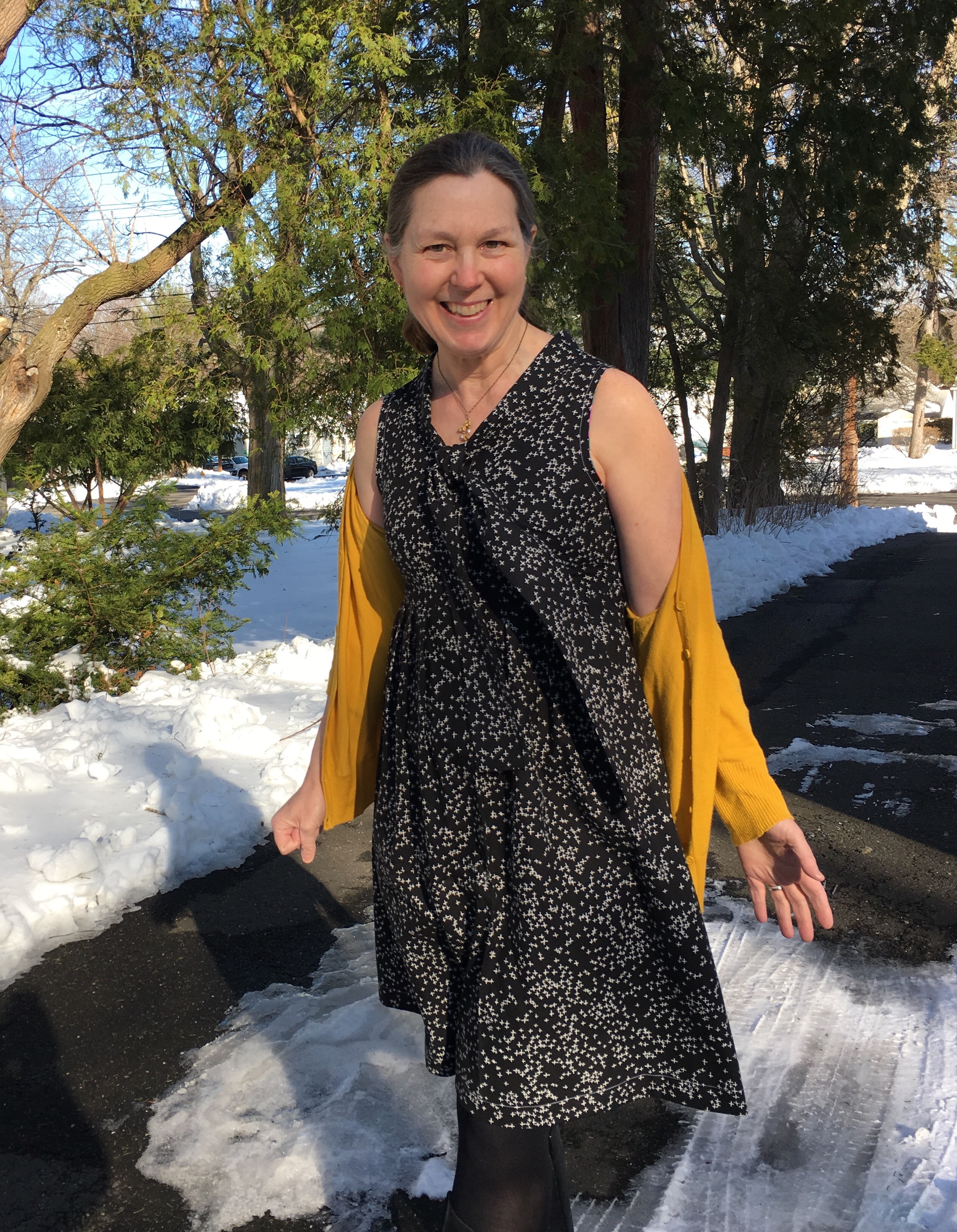
I liked the general shape of the dress but the shoulders and neckline didn’t fit me well: too loose in the neck and too tight in the shoulders. I decided to try using the Beatrix Blouse pattern by Made by Rae as the starting point to make a loose dress that was similar. I had made the Beatrix several times and knew that the shoulders and bodice fit perfectly. I thought if I cropped it and added a gently gathered skirt that I would end up with a dress I would really enjoy dressing wearing.
I first made the Beatrix when the pattern was released. It was one of the first patterns I sewed after the Washi Dress and I learned a lot in the process because Rae did a series of blog posts that walk you through making the pattern from start to finish. I learned so much going through that process. She literally explained how to tape the pattern, how to take your own measurements and how to make adjustments for your body type. I learned so many great sewing techniques. When I first made the blouse, the medium fit pretty well with a couple of inches added to the length (I am 5’9″ with a very long torso) but there was a bit of gaping at the neckline. Rae told me how to do a hollow chest adjustment and once I did that, the fit was perfect. It is a really subtle adjustment but it makes all the difference. I just fold a tiny bit of the pattern at the center front and then shift it back once I cut the neckline.
When I cut the bodice out for this project, I put one of my Beatrix blouses on and then figured out where I wanted the bodice to end and the skirt to start which was just under the rib cage. I marked the spot with a pin and then drew a line on the pattern pieces to match that bodice length after adding 1/2 cm for a seam allowance. I folded the pattern piece on that line and cut out the shortened front and back bodice in both the rayon and in the cotton batiste that I planned to use for the bodice lining. I cut out the pieces before Thanksgiving and then they sat on my ironing board until January. But that’s ok. Sometimes you have time and energy to sew and sometimes you don’t. I did a lot more reading than sewing this fall. Reading on Christmas Day below. Such a good book. The ear muffs were my given to one of my daughters. I was just borrowing them. They are actually really warm and cozy though a bit flashier than my usual style.
After the holidays I went back to work and did a long drive the weekend after New Year’s Day, taking my daughter back to school. Finally, the second weekend in January, I had time and energy and finished the dress.  Pictures of sewing the bodice below.

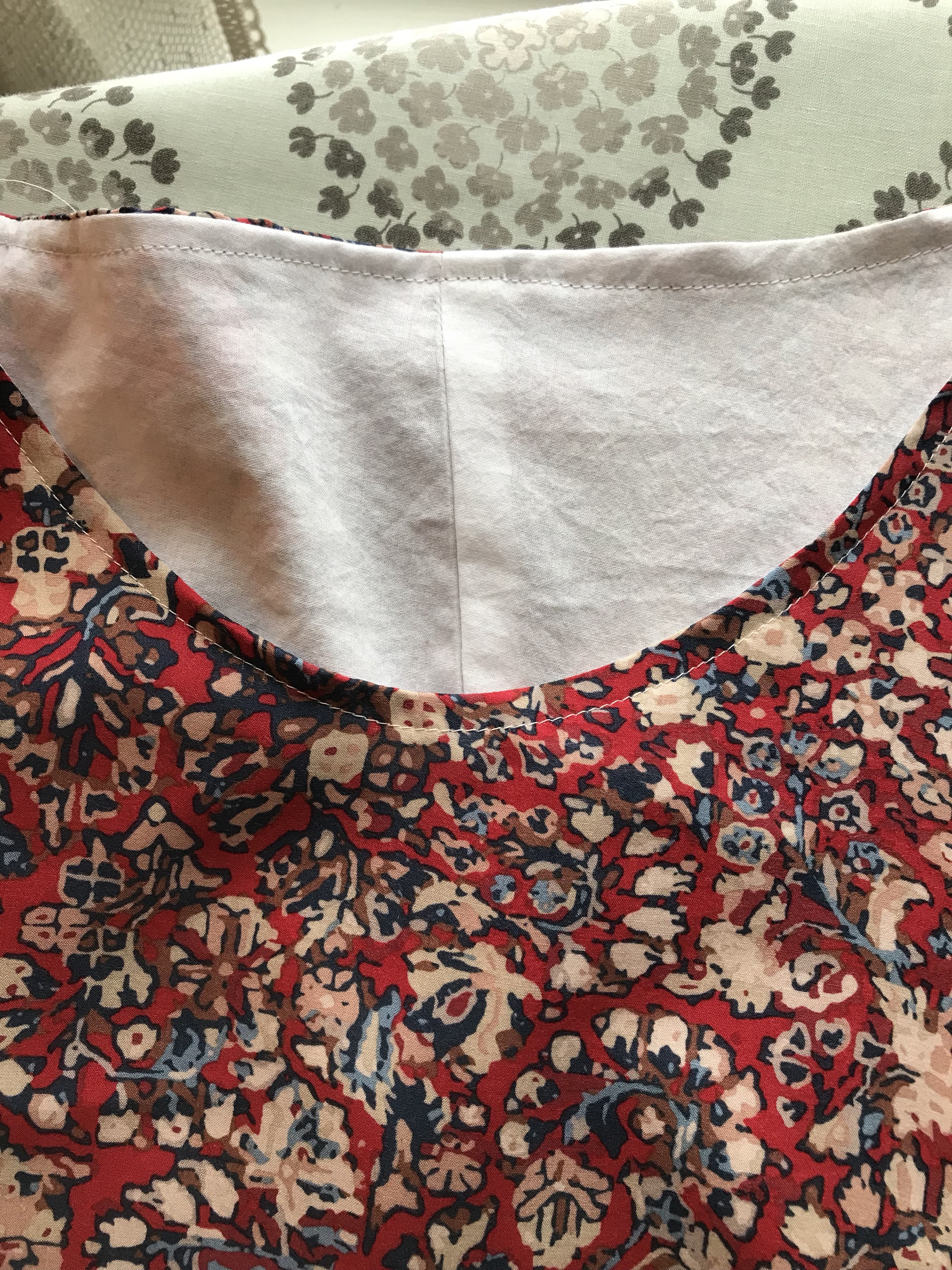
I realized that I cut the back lining piece too wide so I just sewed a center seam to take out the excess. I like to top stitch around the neckline so that everything lies flat.

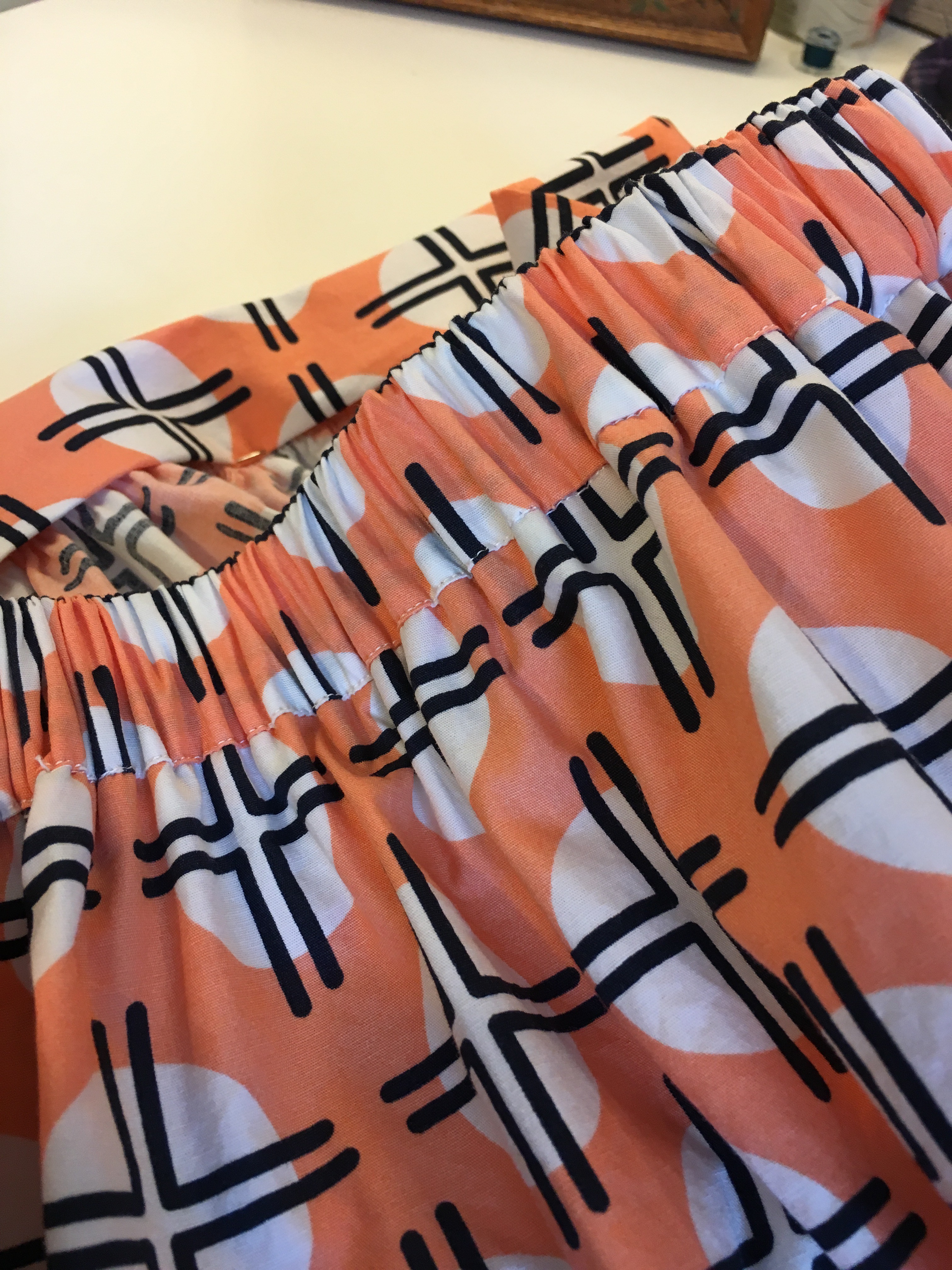
I sewed the shoulder seams together for both the bodice and lining, sewed the pieces together at the neckline, gathered the sleeves and attached them and then used Rae’s burrito or sausage method to line the bodice. Then I sewed the side seams of the sleeves and the bodice side seams.
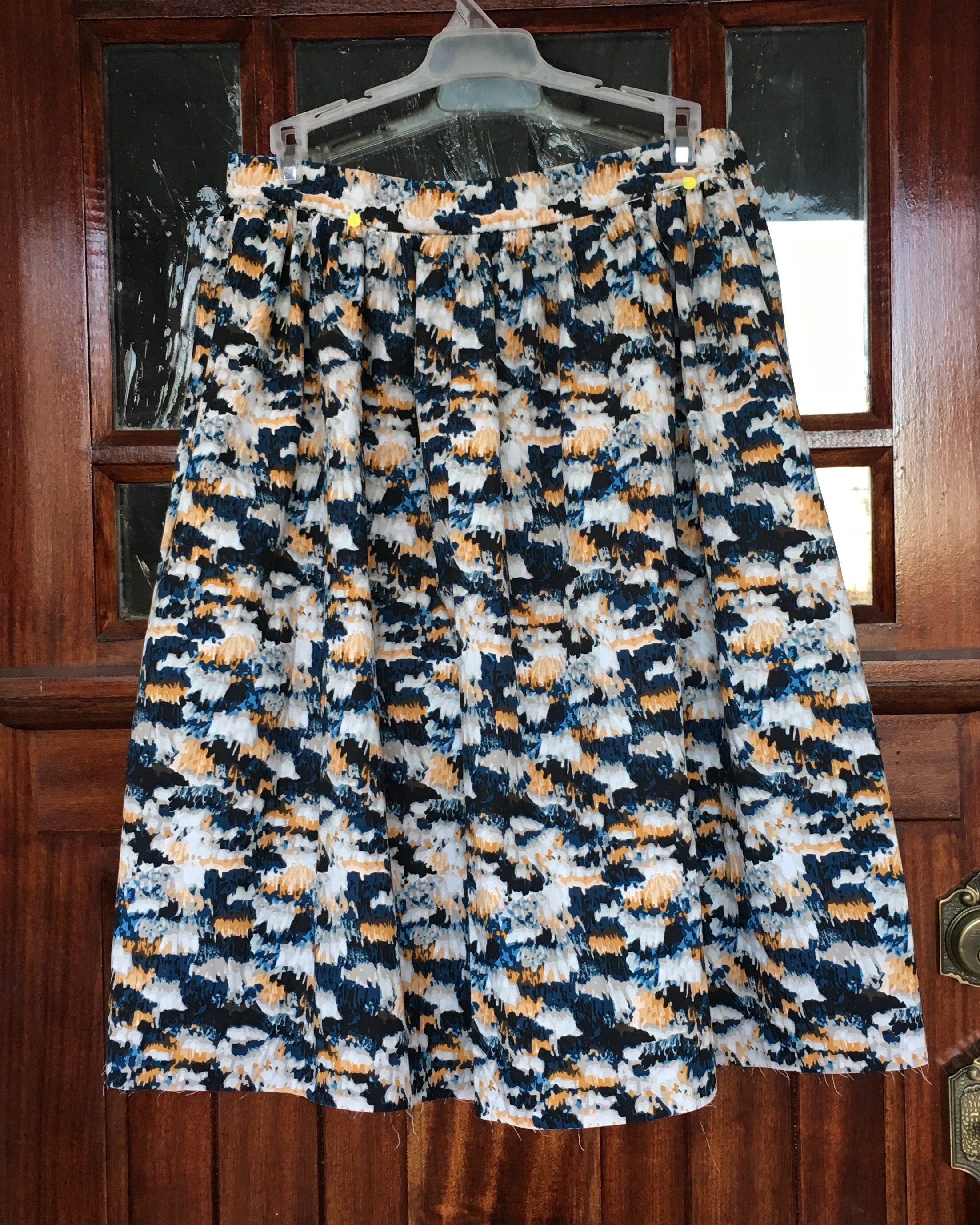
I used the skirt from the Isla pattern as a template to cut out the front and back skirt pieces.

I added 2 inches to the width of the back skirt piece because I am bigger in the back than the front and I thought the dress would flow more nicely with a bit more gathered fabric in the back. I did this when I made my Isla Maxi Dress I was really happy with it. I marked the back skirt piece with two pins and front piece with one pin because they were so close in size that I was afraid that I would mix them up. Then I gathered the front and backs, sewed the two skirt pieces together using french seams, lined up the center front of the bodice with the center of the front skirt and did the same on the back and sewed the bodice to the skirt. I turned the bottom edge of the lining under and hand sewed the lining to the seam that joins the bodice to the skirt in the same manner that Rae shows in her Washi tutorials.

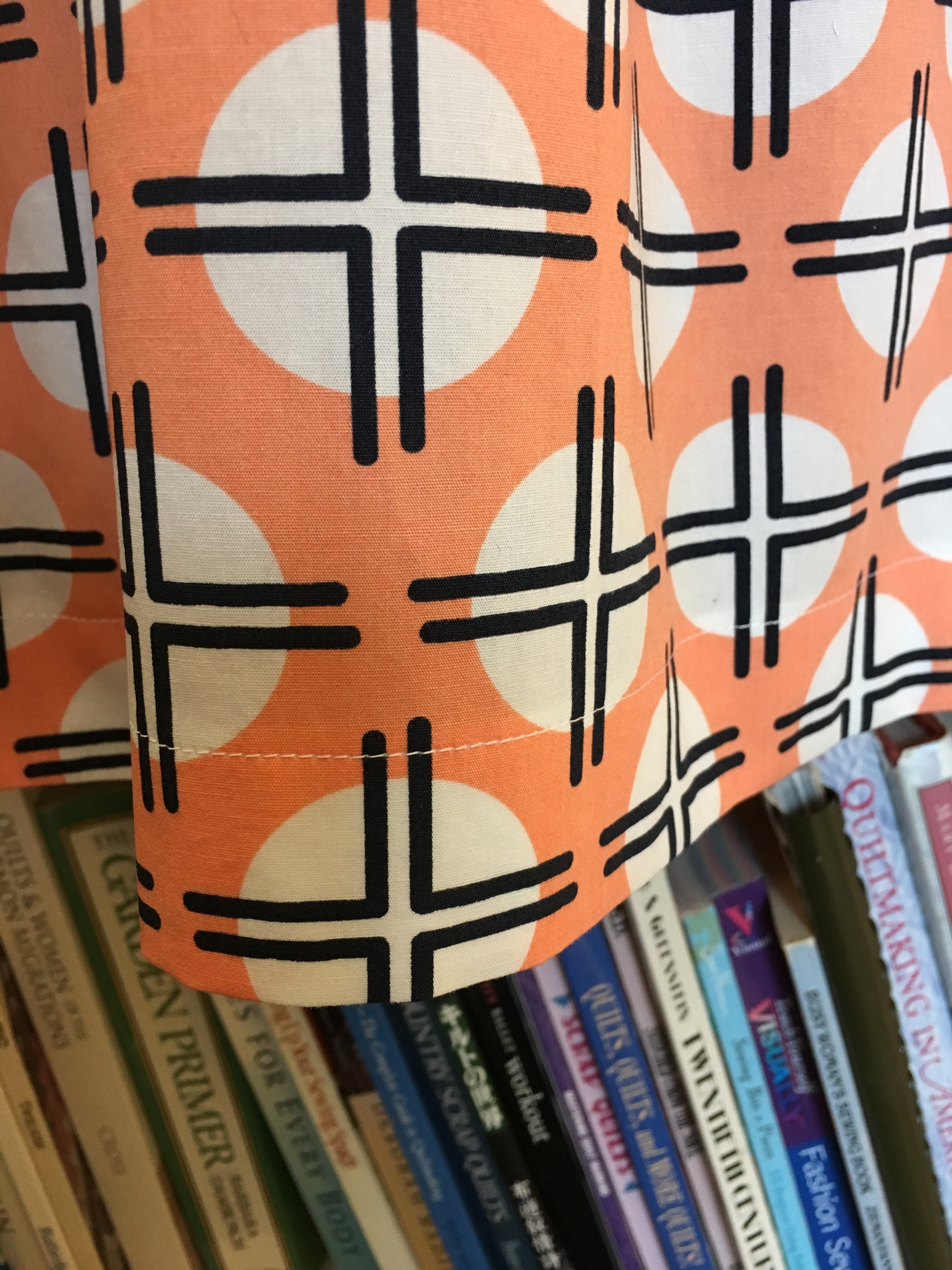
I usually make a hem facing but I thought it might make the hem more stiff since the rayon was so lightweight so I just turned up the hem twice and sewed a line of stitches using a matching thread. It came out fine. I have yet to hand hem a garment. I am sure there will be a time when I feel I should but I have gotten this far machine hemming with good success. And that was it. It was a pretty quick sew. I like that the dress has shape from the darts but is also loose and flowey. I think it can be dressed up and down. I have already worn it to church and I have plans to make it again. I have this rayon which I think would be perfect! This isn’t the first time I lengthened the Beatrix. I have also made two tunic length Beatrix’s that I love. One seen below last summer on the beach. 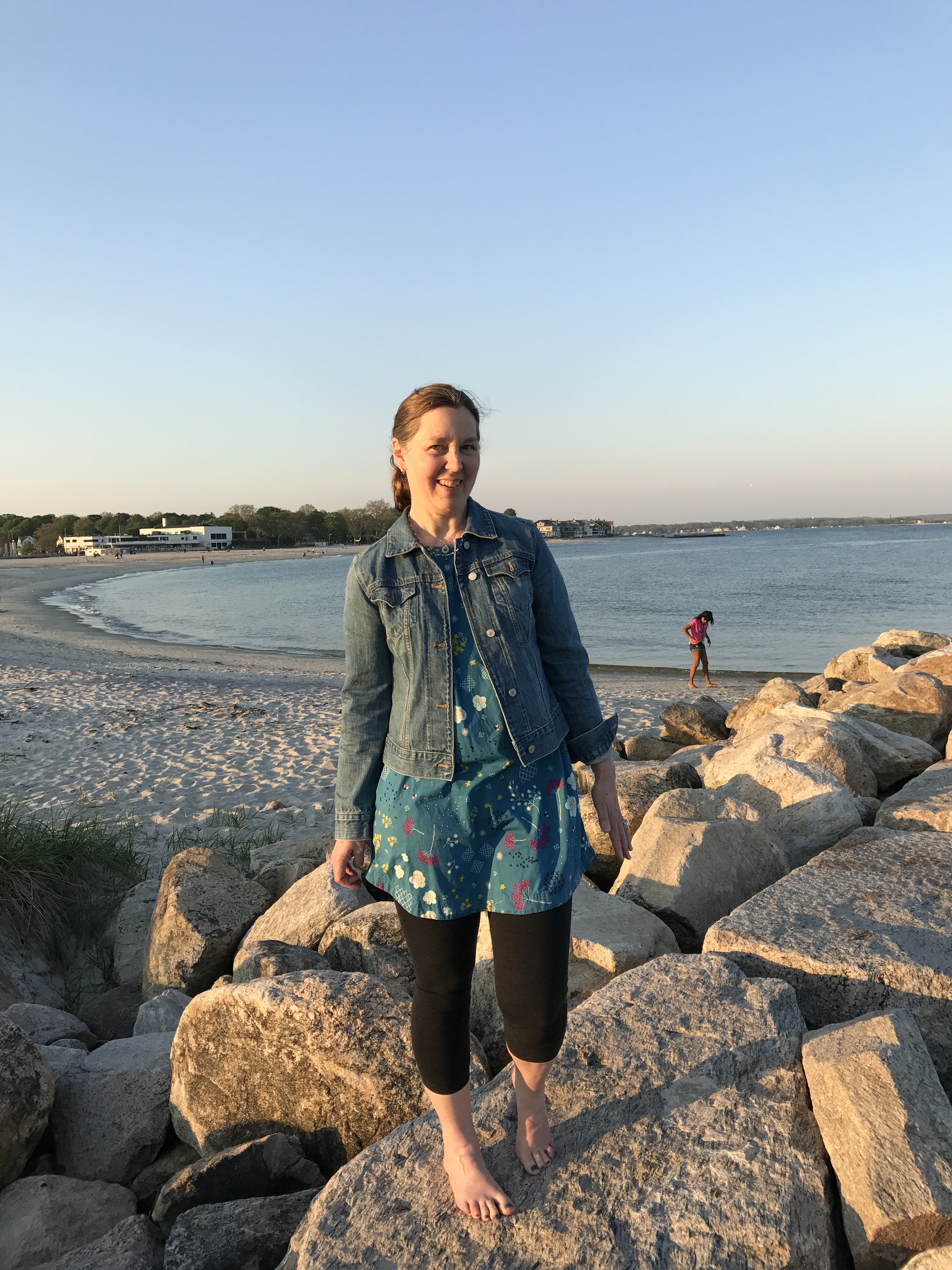 You can read details about those here and here. I highly recommend the Beatrix pattern and Rae’s Beatrix sewalong posts and her videos demonstrating the bodice-lining technique.
More pictures of my new red dress below. You can tell it was windy.
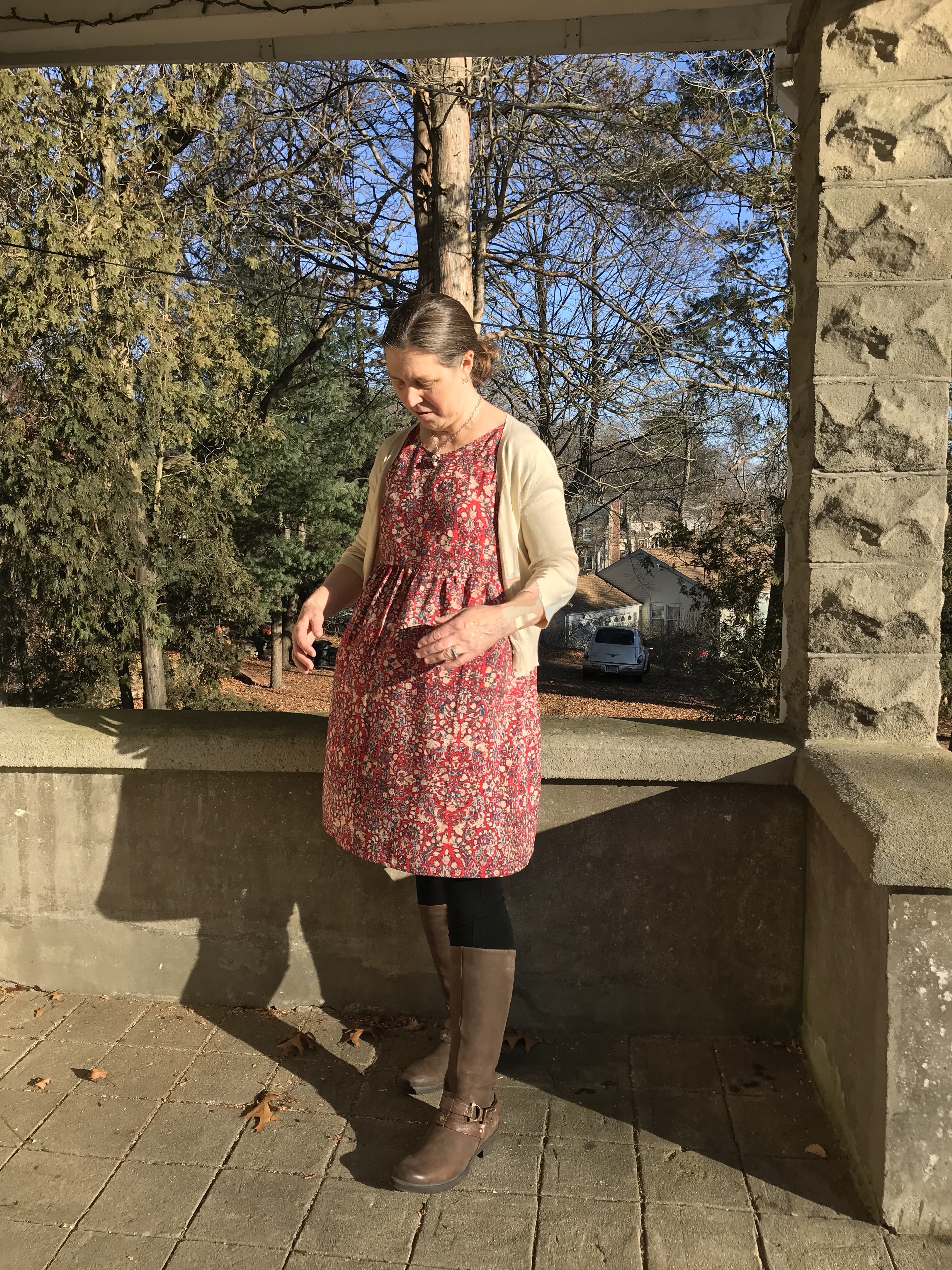

I had the perfect sweater in my closet. Never get rid of a cardigan, that’s my motto. 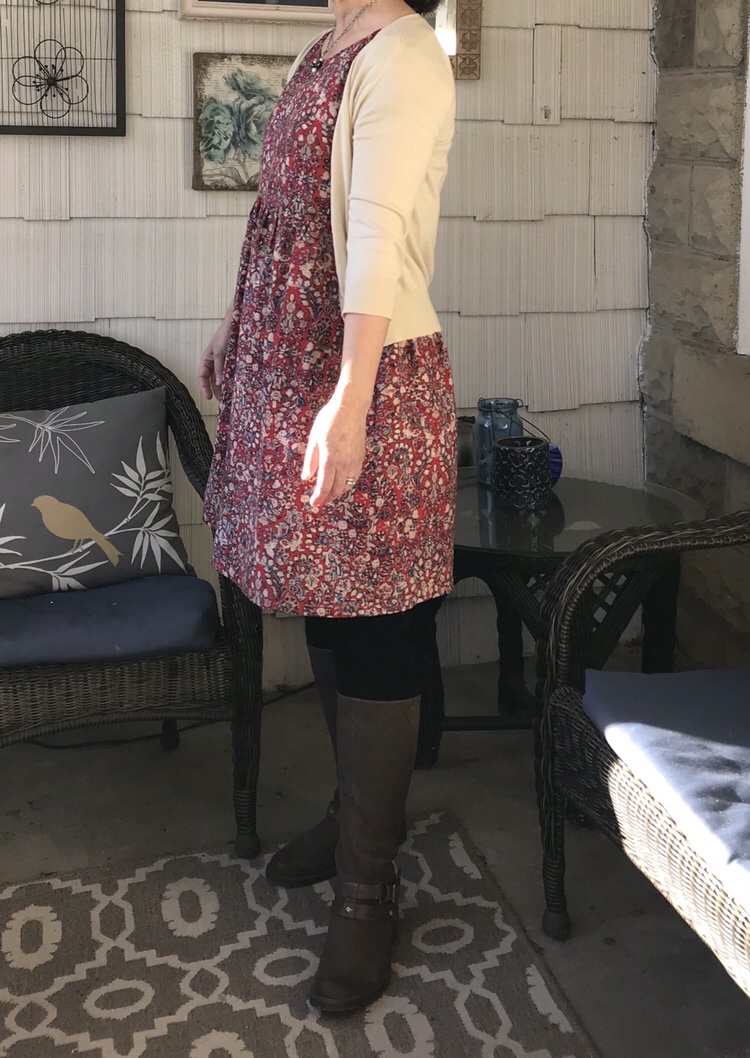 I want to sew the Blackwood Cardigan by Helen’s Closet this year. I think it will be perfect in a sweater knit over this dress worn with jeans.

Perfect with denim.

I love the fit through the bodice.
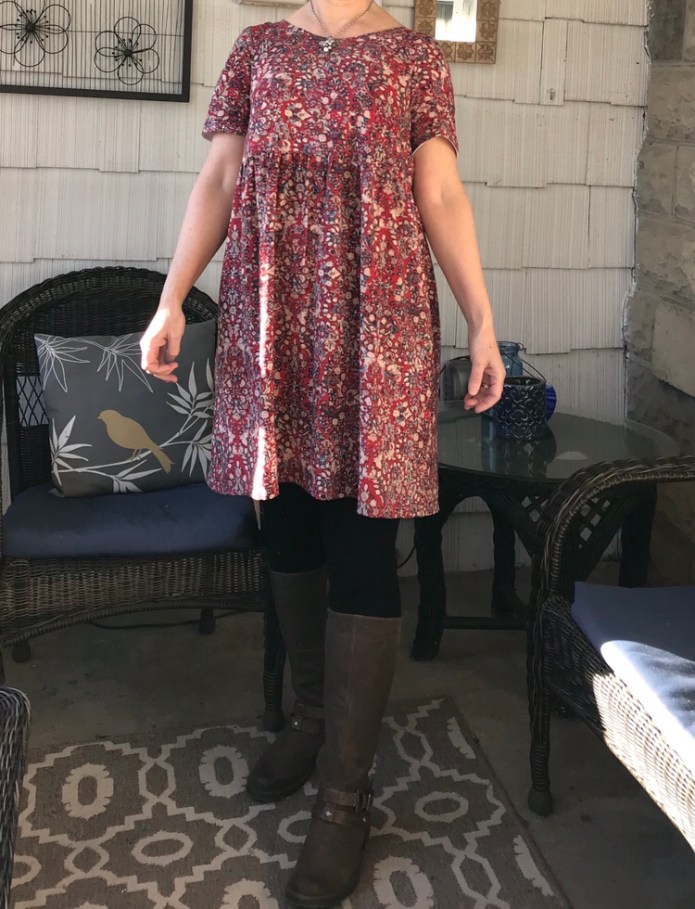
I highly recommend this pattern!

 A little more than two years ago, I started sewing my own clothes and last fall, I took the
  And as worn here:
  This would seem to be plenty: 3 summer dresses. And then,
  Other than adding an inch to the length of the skirt (which I neglected to do for the Glow version, I am not sure why) I followed exactly the same methods I used for my first batch of Isla’s which was to use all the tricks that my Instagram friends shared with me and which can be found in
  And as worn:
  Next up I made the Sidewalk fabric version. I knew it would be good because I had seen
  This fabric is really nice to work with and I am so happy with how this version turned out.
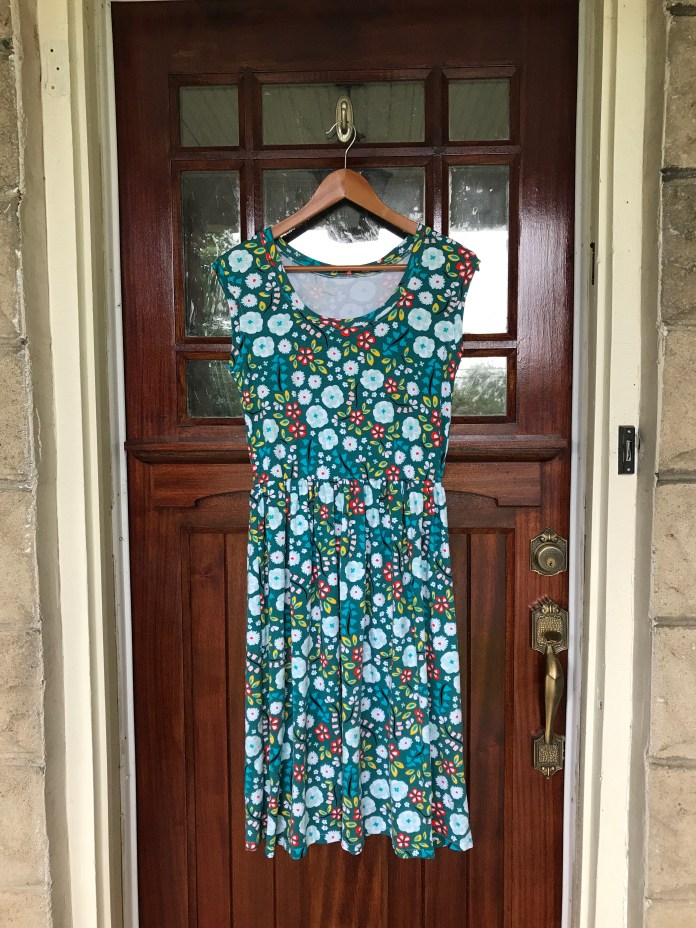 And as worn:
 Next I sewed the
  And as worn:
 The Amy Butler version is a bit shorter which came in handy when we recently had a heatwave. I didn’t think I cut it differently but I must have.
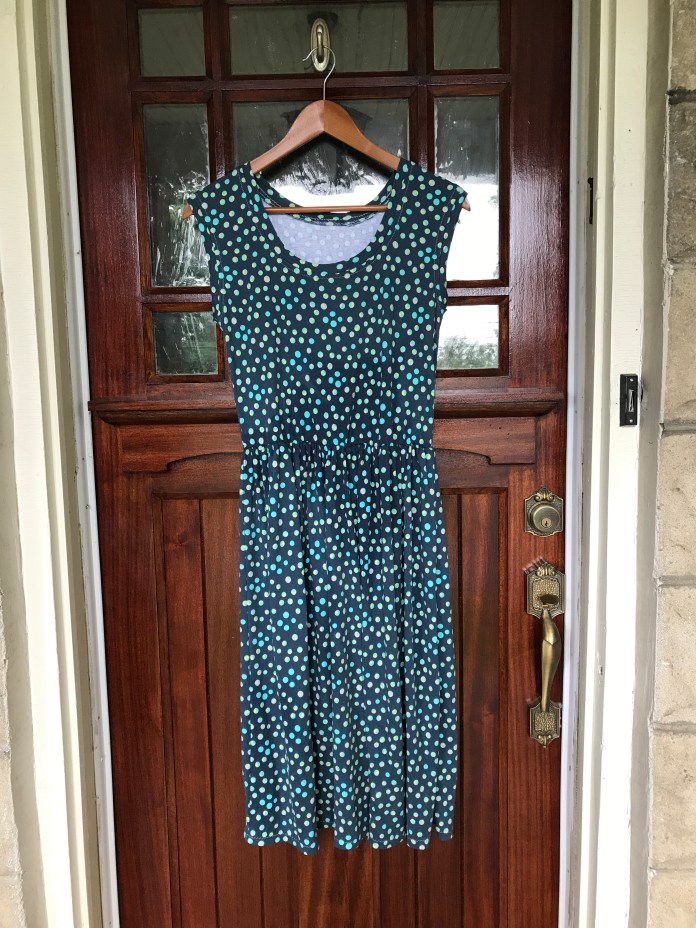 This fabric is a bit heavier than the others. It is really easy to sew with and would be great for someone new to knits.
 And that would have been it, except that
  It is amazingly comfortable, flattering and doesn’t wrinkle.
 Perfect for a trip to someplace amazing. Now all I need are airplane tickets. Mr. NB, take note! And it is even better with my mustard cardigan, as most of my dresses are.
 One of my favorite winter Islas did get some wear time this summer on one of our cooler days. Here it is with leggings and sneakers. I can’t recommend this pattern more highly!

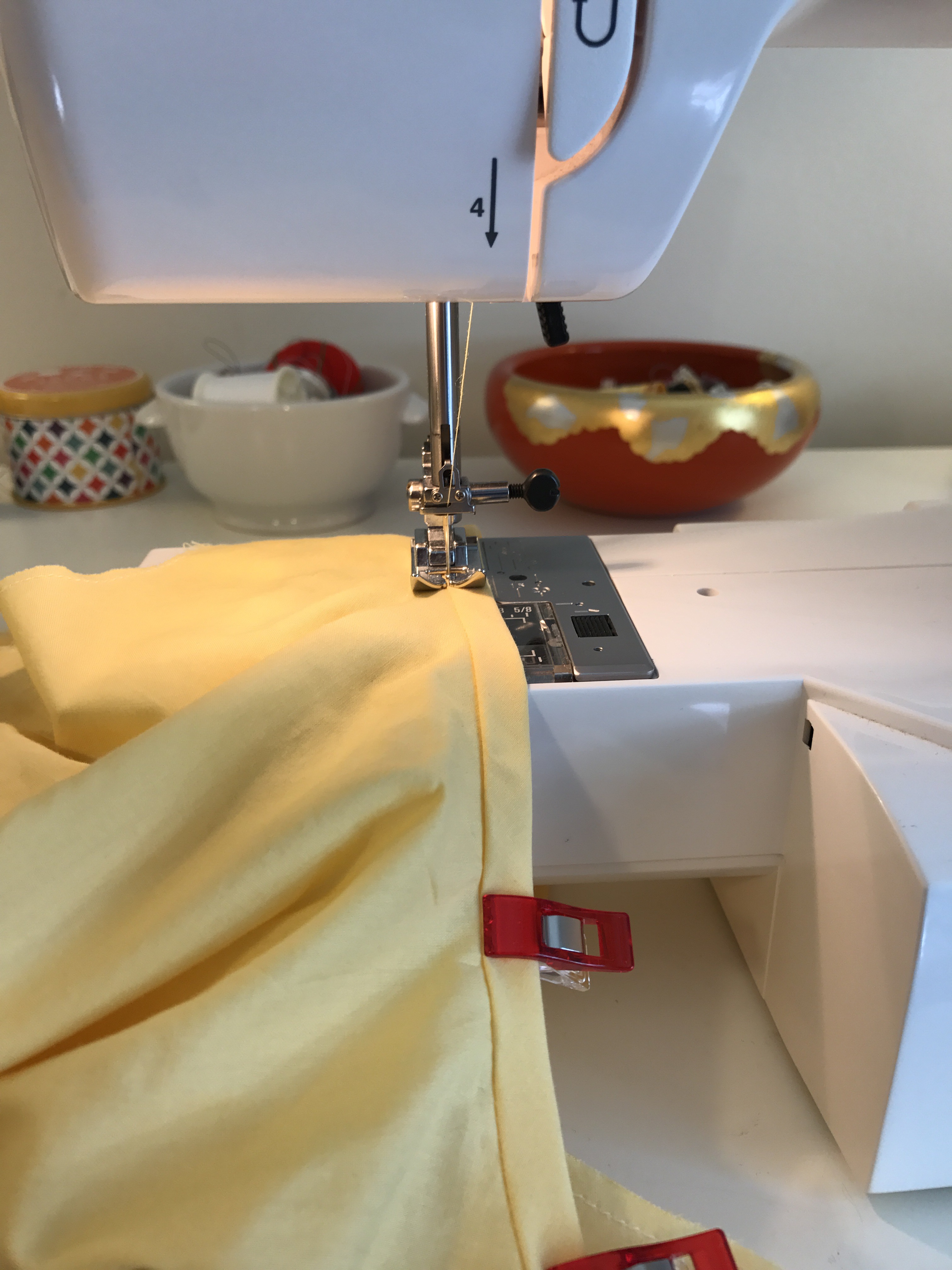
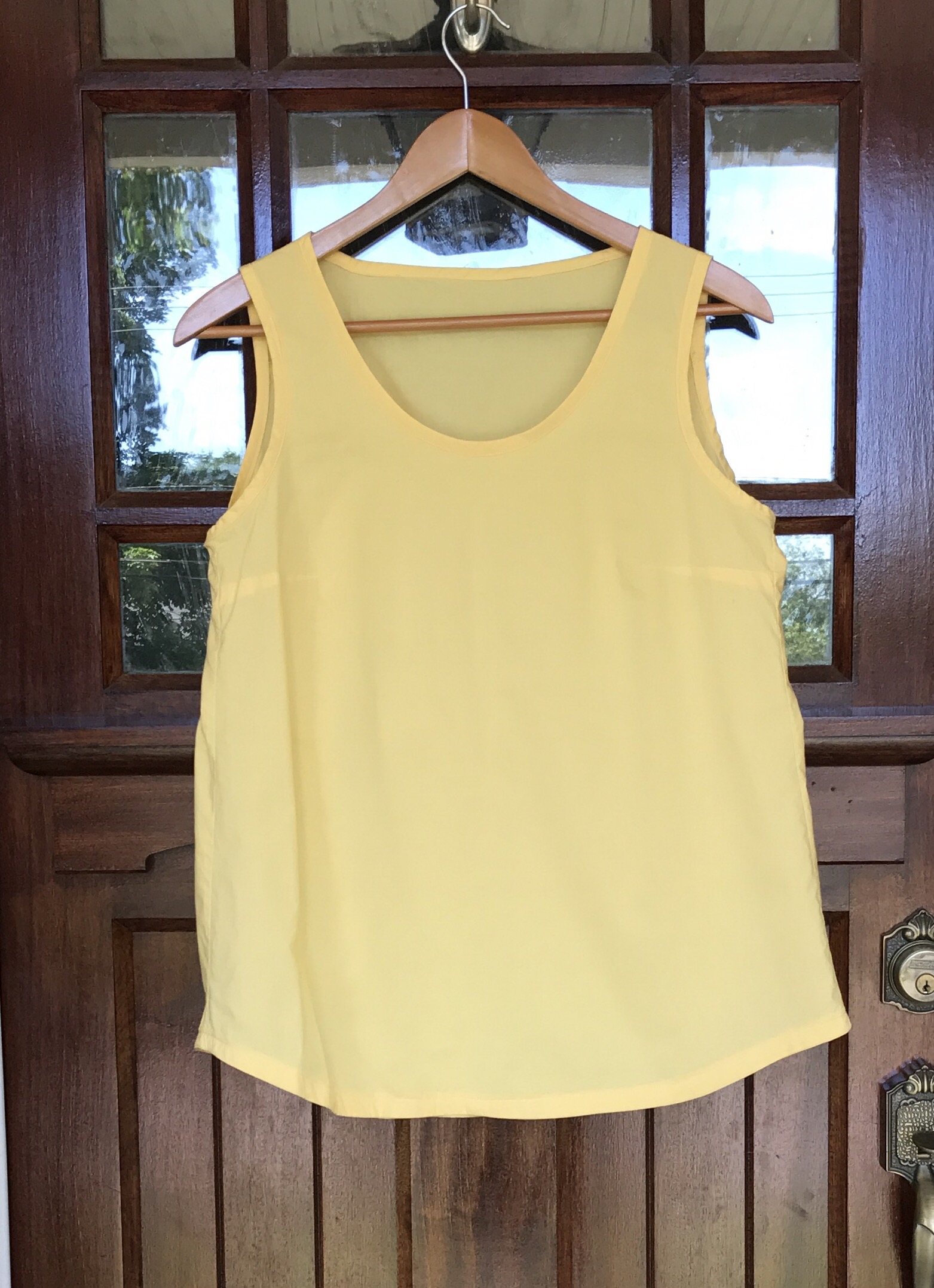
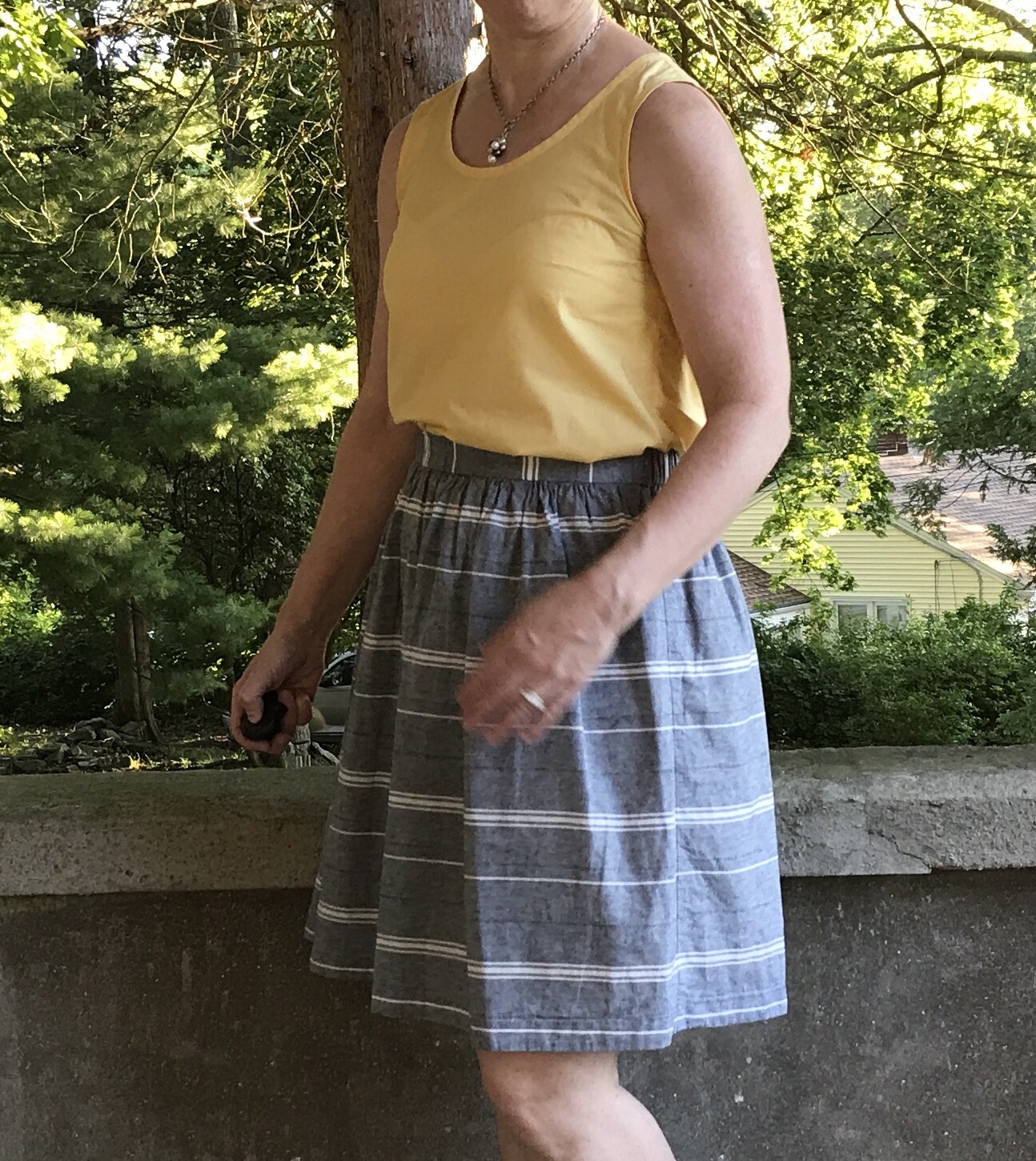

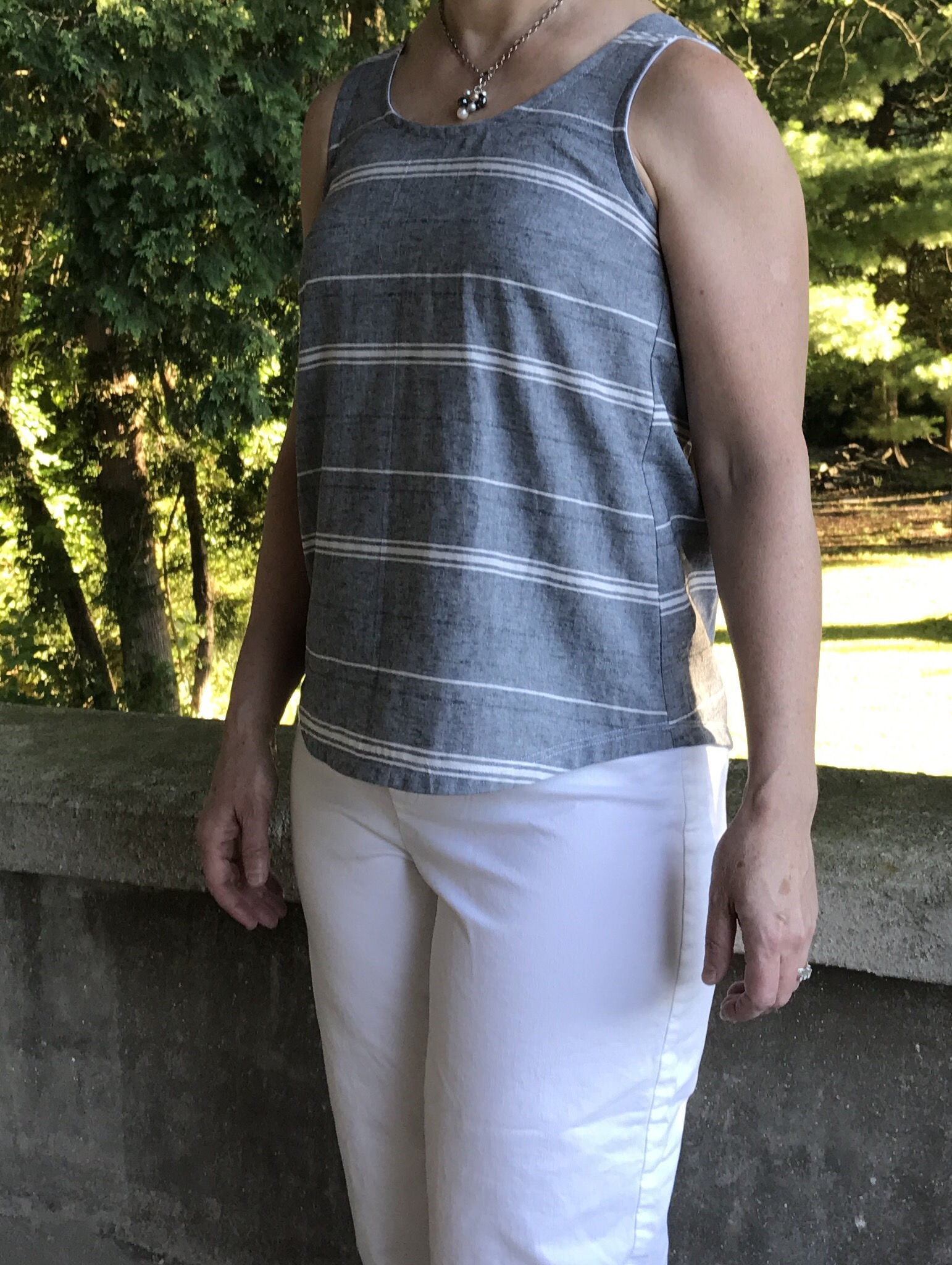


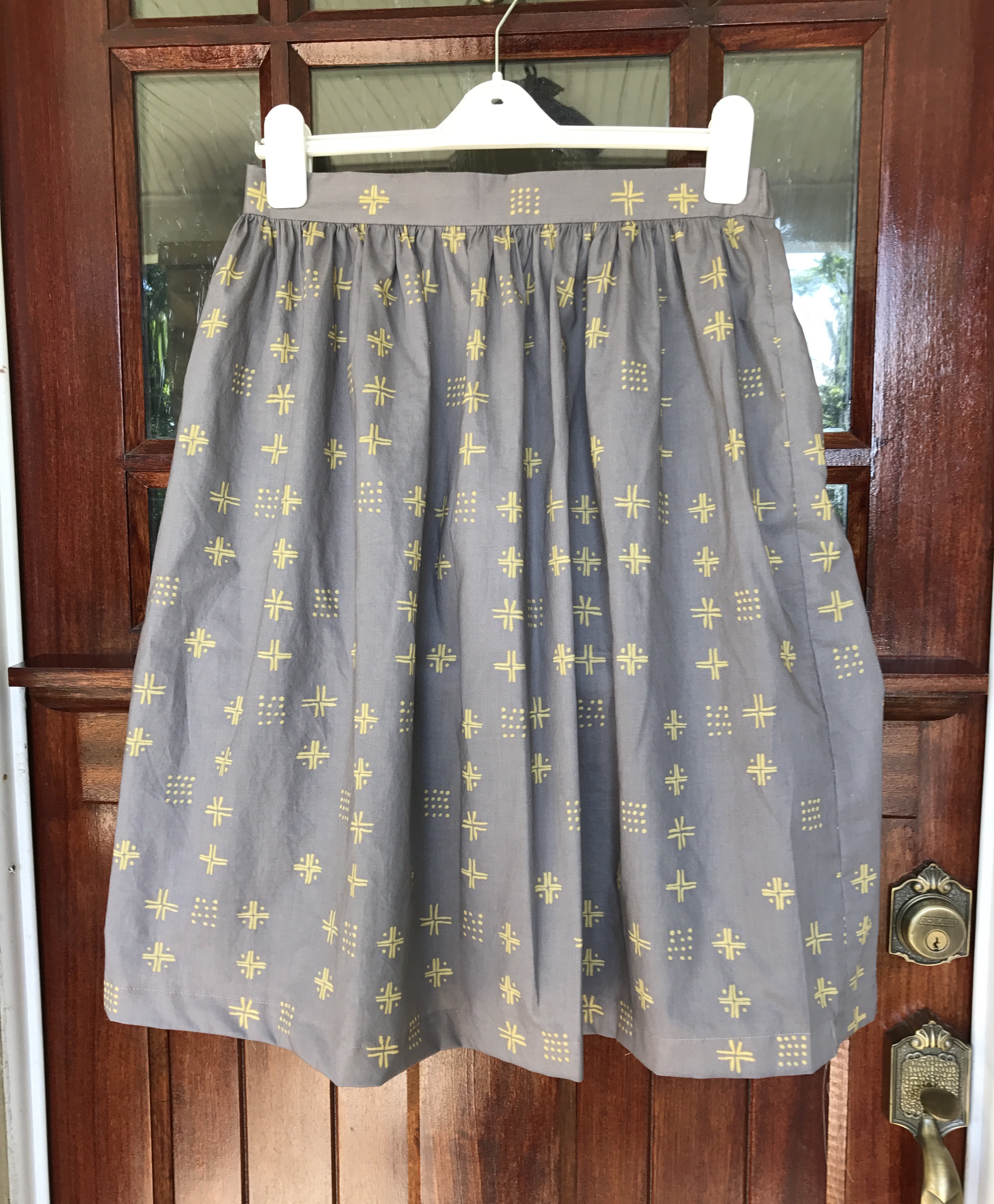


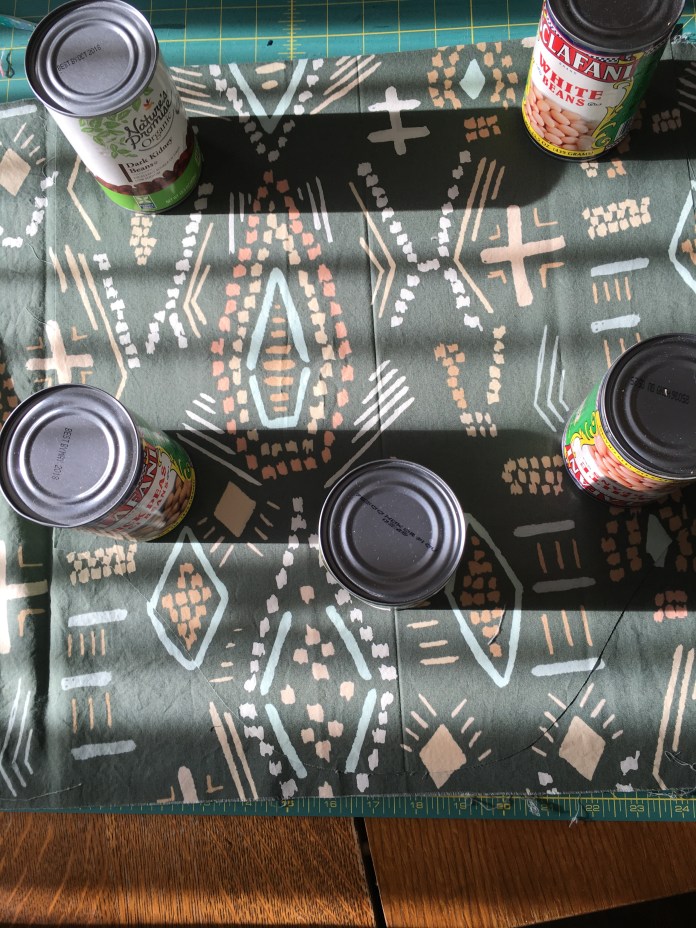 and this navy Ruby dress and Gemma tank made in the other colorway of the green fabric, both of which I made and wore last summer.





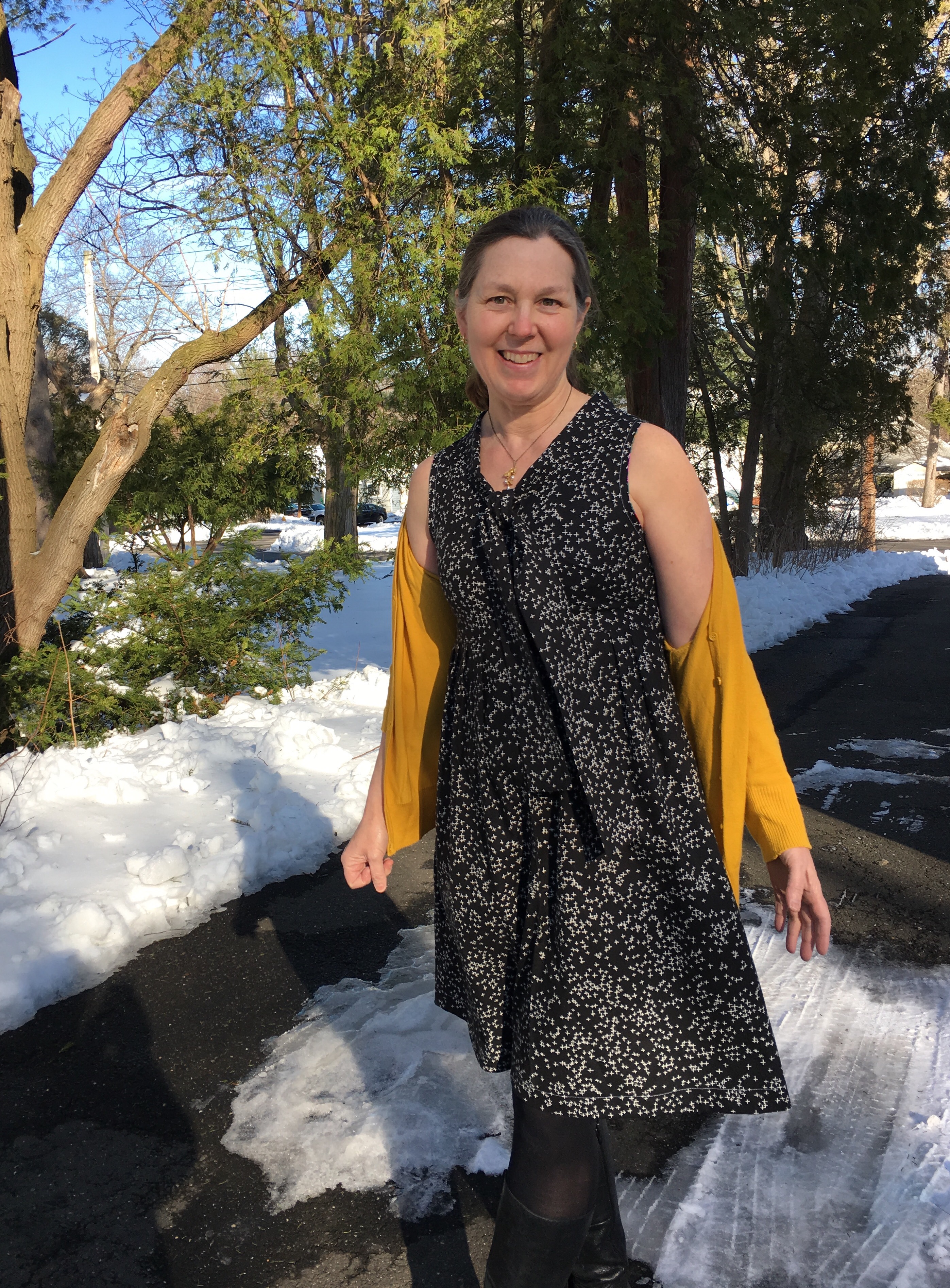

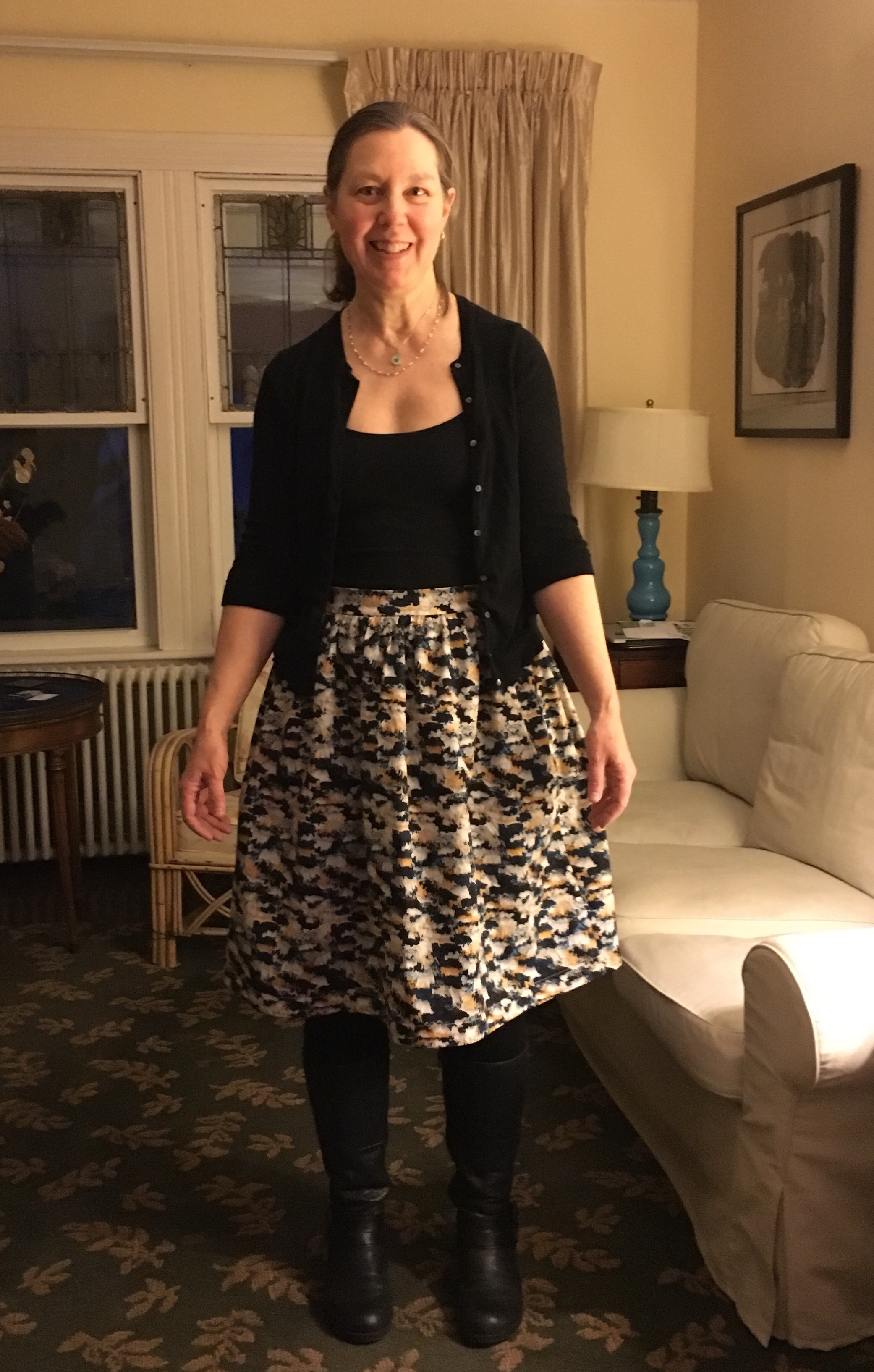


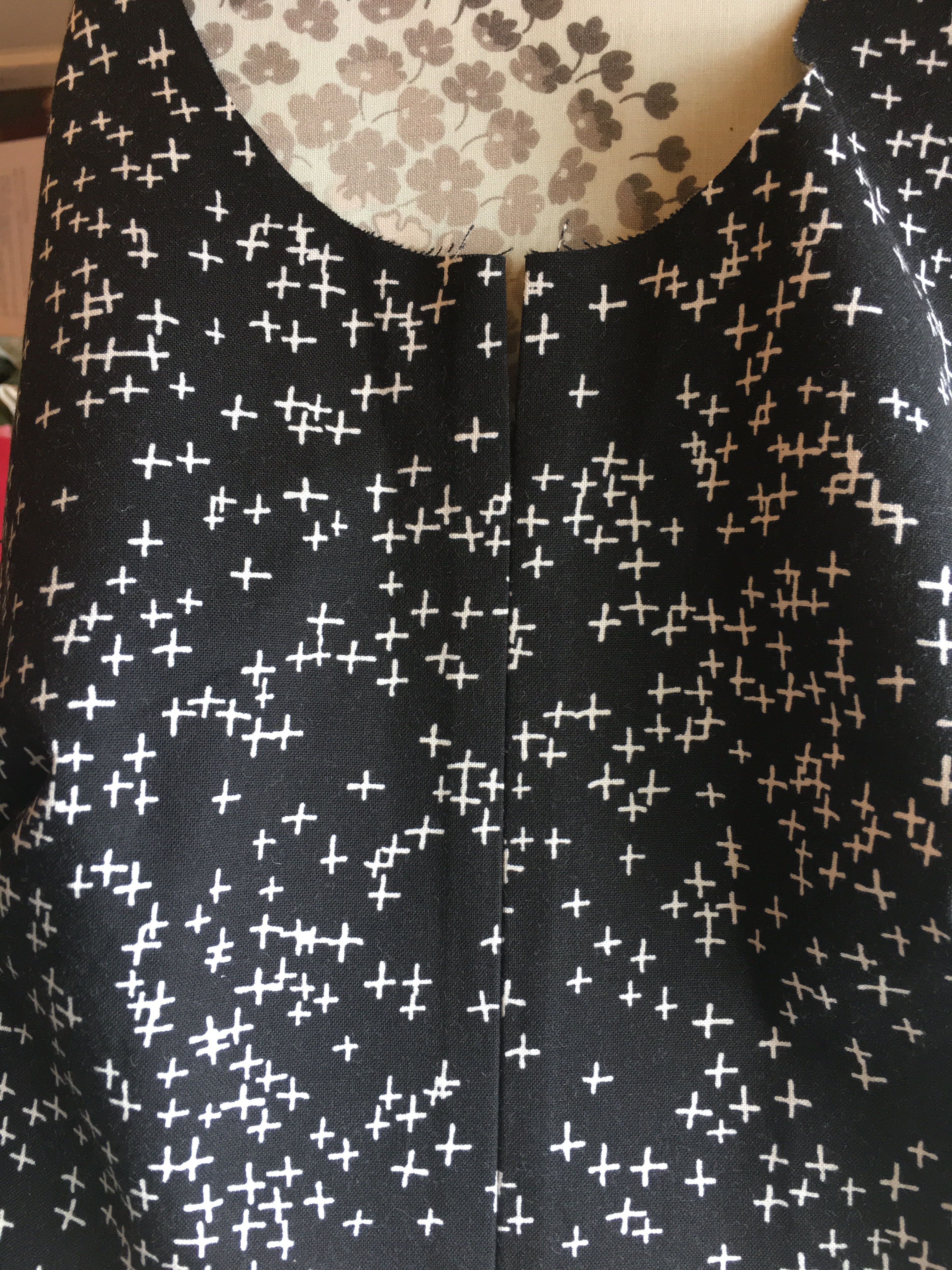


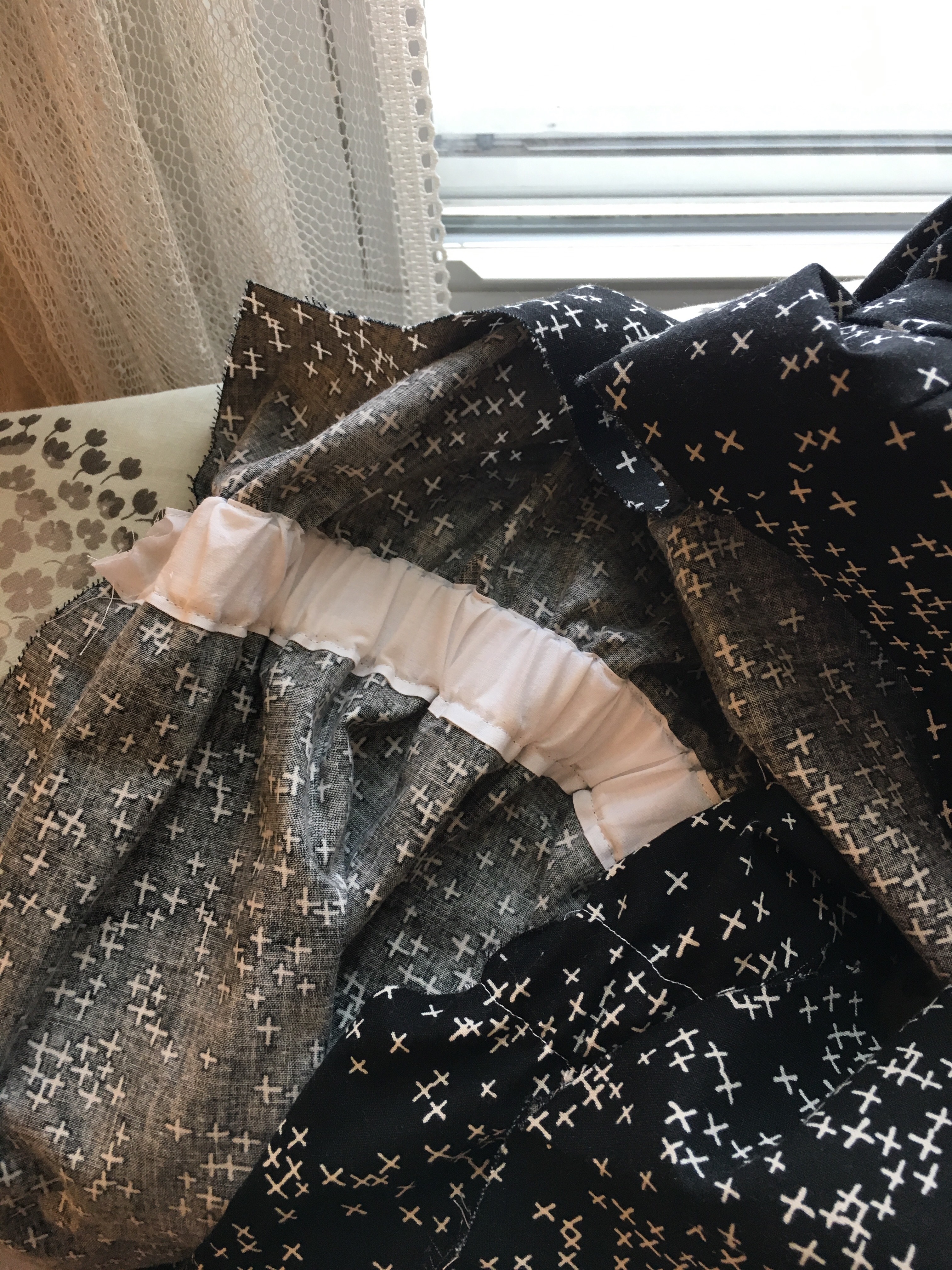





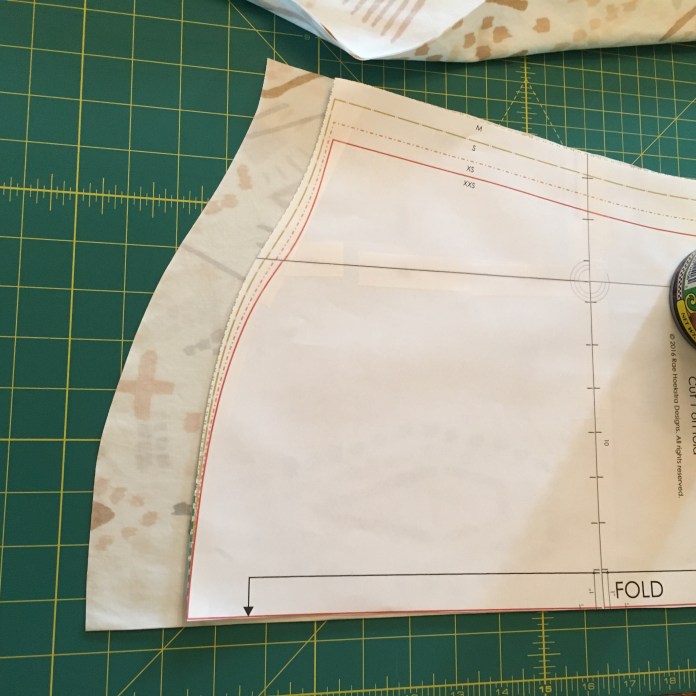
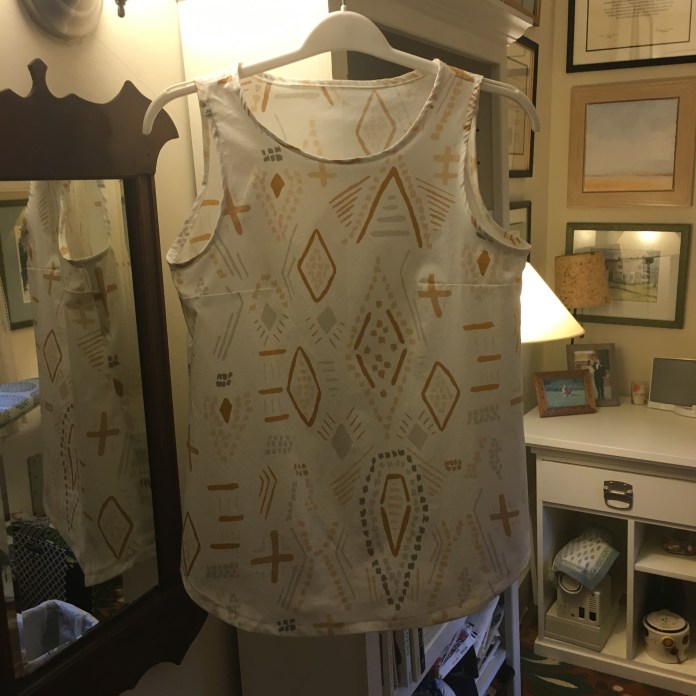 I cut a Medium with the higher neck option, although I shaved a small bit off the front of the neck. You can see approximately how much I took off below although the picture below is a different Gemma (made the same way). I just slid the pattern down and cut a bit lower using the same curve so that the edge would be below the collarbones.
 I also lengthened it by approximately two inches.
  I mostly followed the directions for the bias binding using the
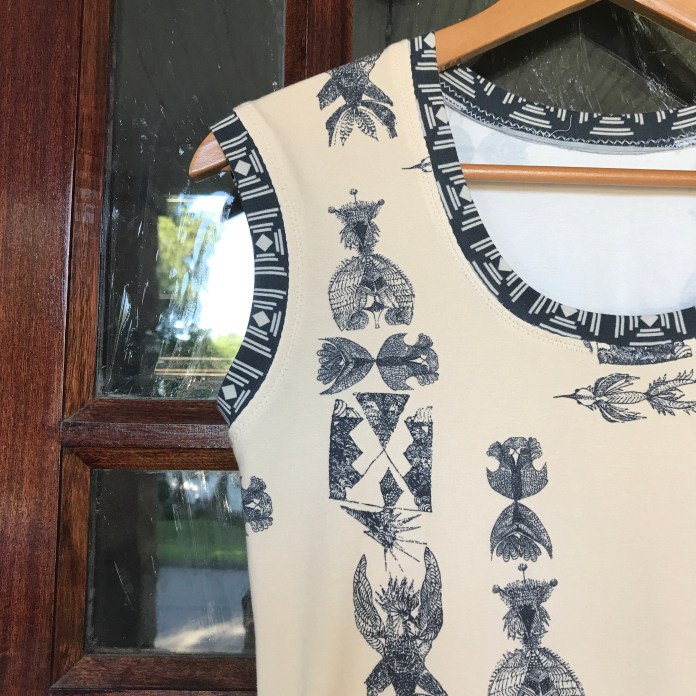
  I used this beautiful cream colored Art Gallery quilting cotton by
  I was so happy with the feel of the fabric-it is soft and works beautifully for sewing garments. It is more like a lawn than quilting cotton. In fact, I bought another 3 yards of the green as a back up plan. I have done that only a few times but I was so happy with my
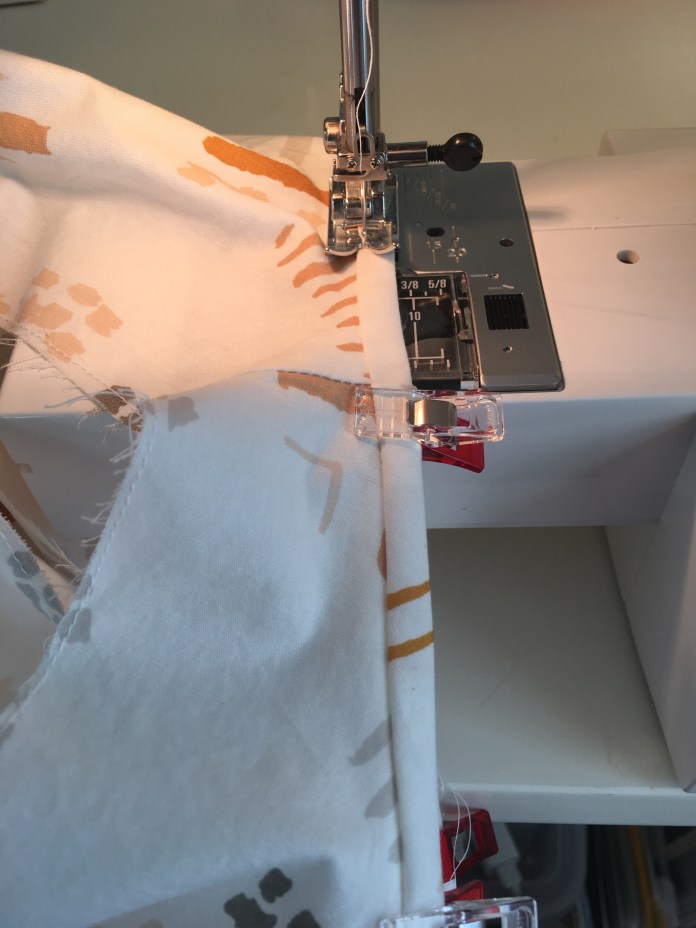
 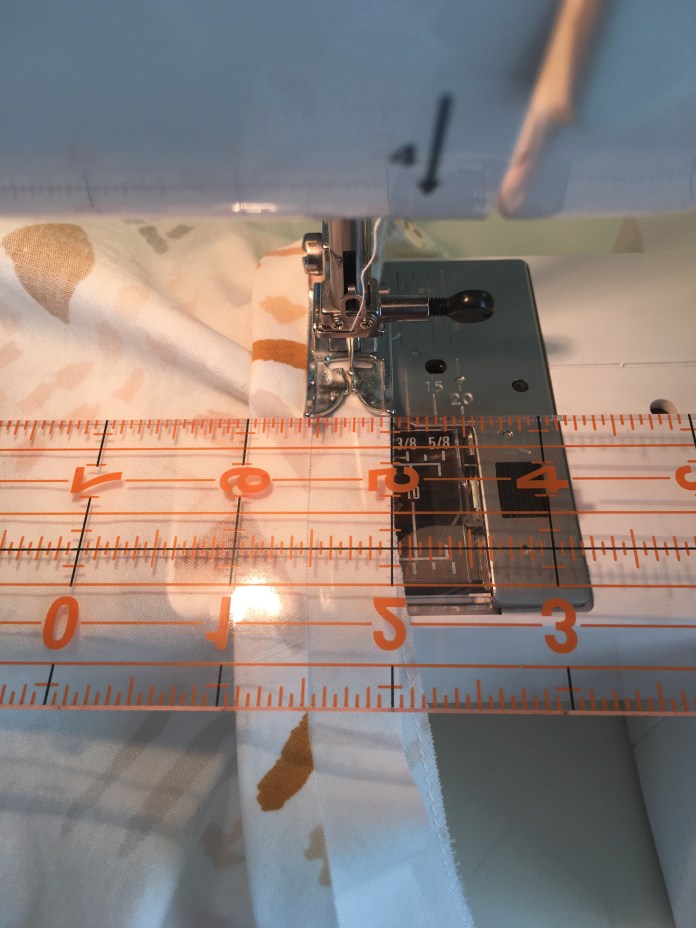 I don’t pin before I sew, I just hold the edges together and it generally works pretty well. Then I iron the stitching line and press the edge to the other side and use wonder clips to hold the bias binding in place before I sew the second seam which, as seen below in the finished version, is just to the inside of the ditch. It actually looks like it was sewn on the inside and flipped to the front using the topstitch method, the way Rae shows you here in
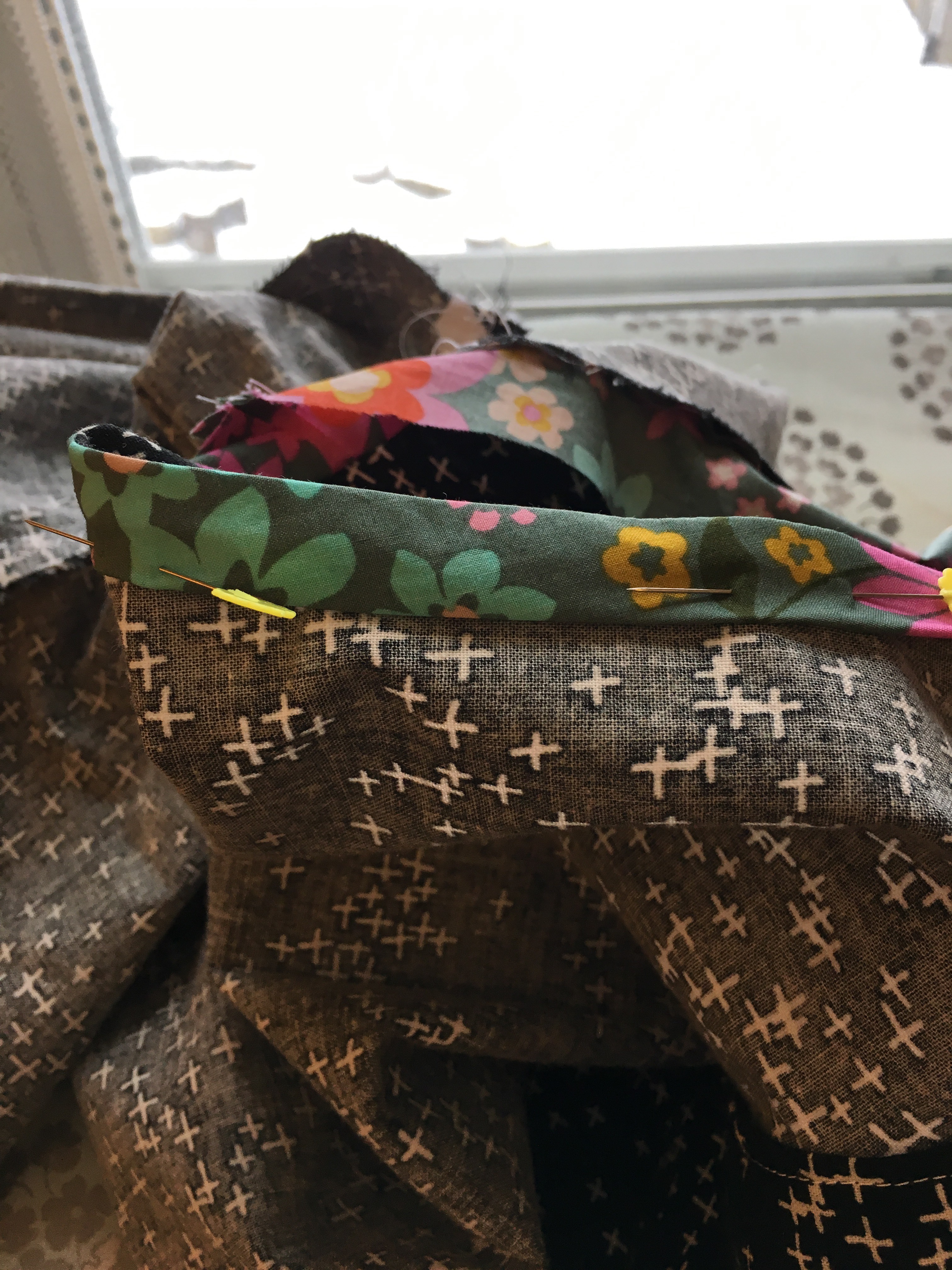
  I like using the wonder clips because I turn the blouse inside out and iron the binding to the wrong side and whereas I used to pin it in place on the wrong side and then flip it and have to move all the pins to the outside before sewing, the side doesn’t matter with the wonder clips and it saves a step. This is what the outside looks like before sewing the second seam.
 I also sewed a facing onto the hem of this Gemma using more of the binding tape. For some reason, I get a much neater hem doing this than just turning up the fabric. Although it might seem like more work, the seam line gives a visual place to turn up the edge, I iron like crazy and everything just turns out neater. I also like a slightly wider hem than the pattern calls for because I find it lies flatter and doesn’t curl up.
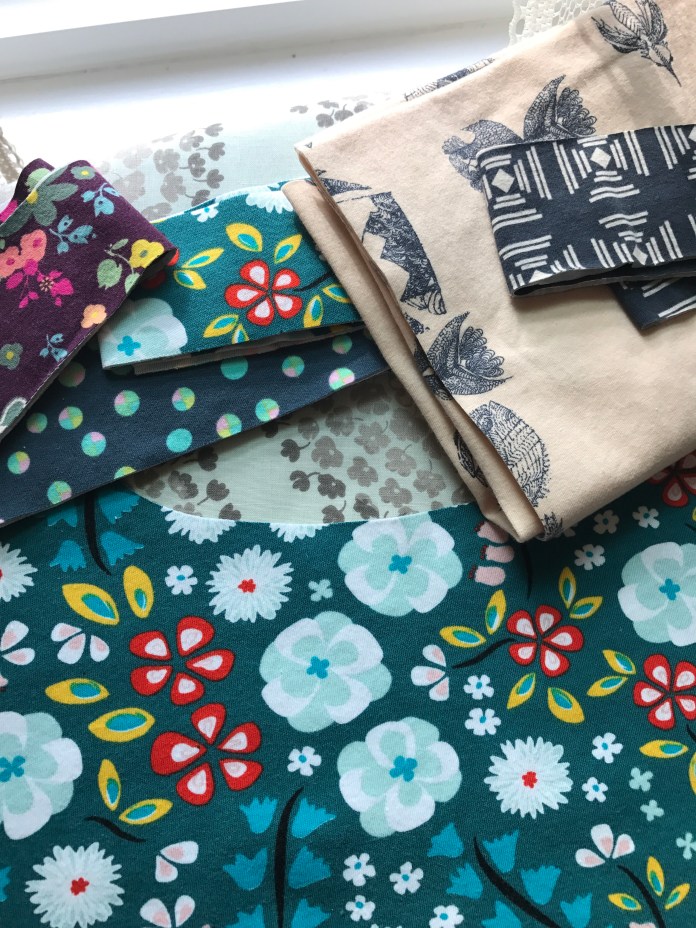
 I do a lot of ironing when I make the hems this way. I have described this in several previous blogs. I often use contrasting fabric for fun. You can see other examples
 As those of you who follow me on
 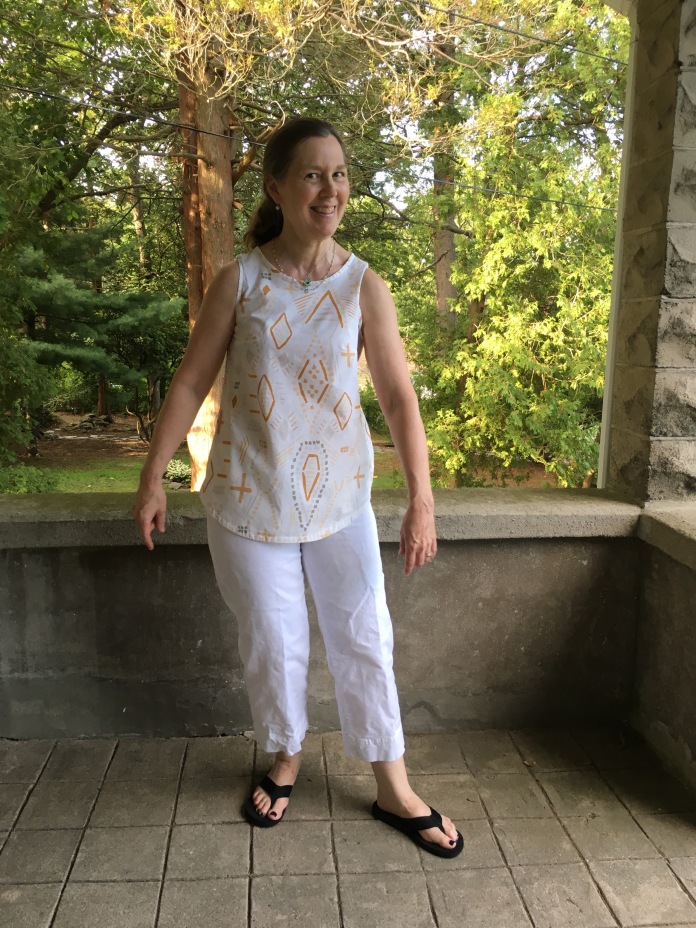 Back view:
 Version number 2: Size medium. Same adjustments as version #1 but decided after cutting out the pattern to use contrasting fabric left over from my
  Back view:
 Side view:
 Version number 3. I made a muslin in size Small for my stepdaughters to try since they have a birthday coming up and there is some
  I used chambray left over from several previous projects that I purchased over 20 years ago in Brooklyn for the bias binding which I used on the neck, armholes and as a facing for the hem.
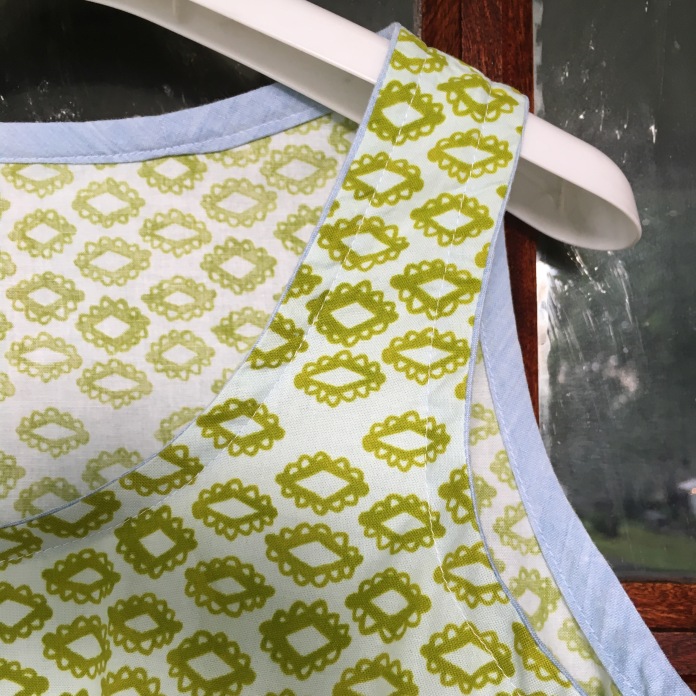 I swear that this fabric regenerates itself while I sleep. There is always a bit more for one more project. One of my children’s favorite childhood books was
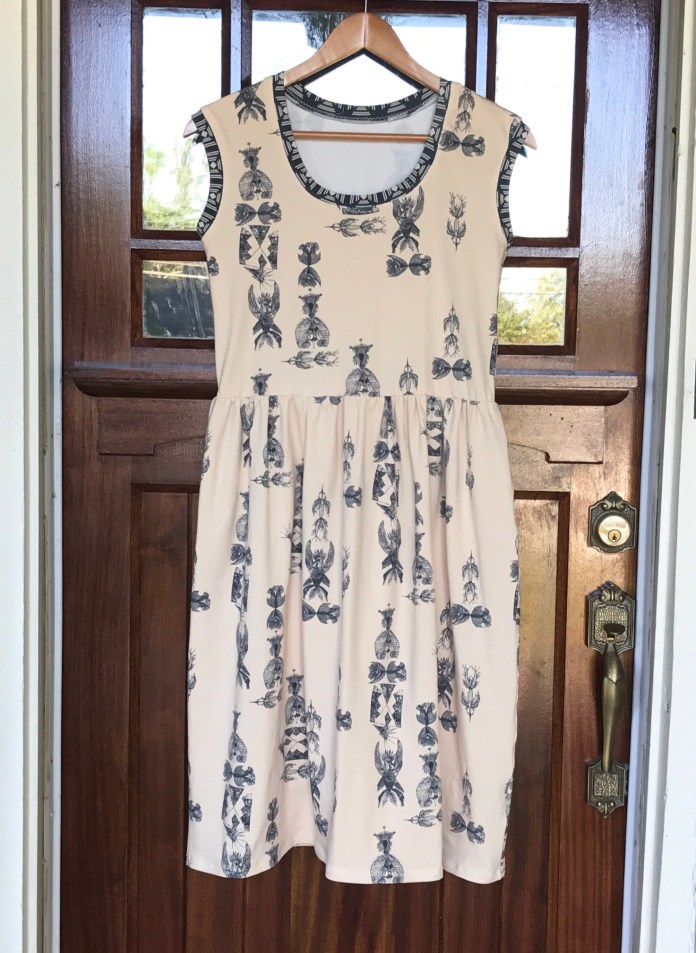
  Gemma hanging on front door. #goodlight
 Gemma hanging in a window.
 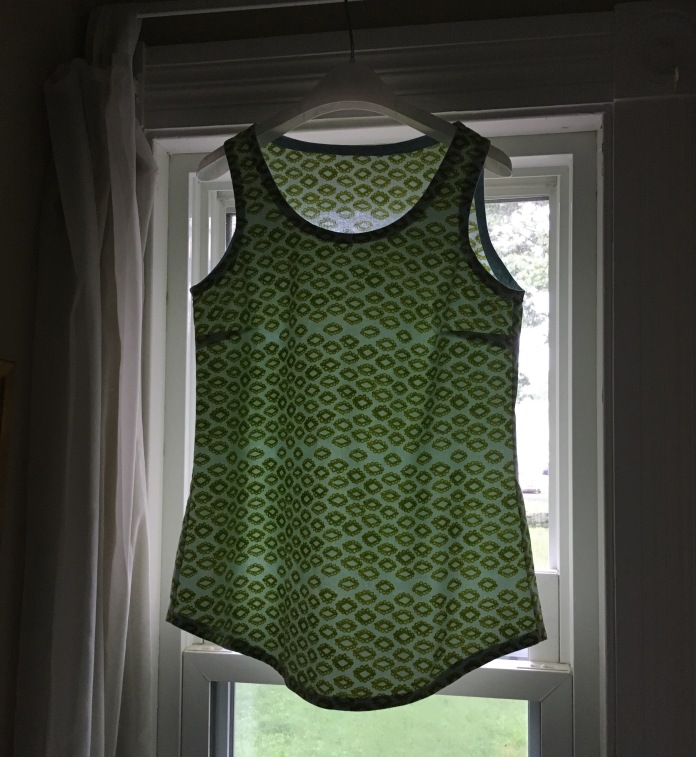 More pictures of my woodblock Gemma below. It might be my favorite. It is hard to choose.
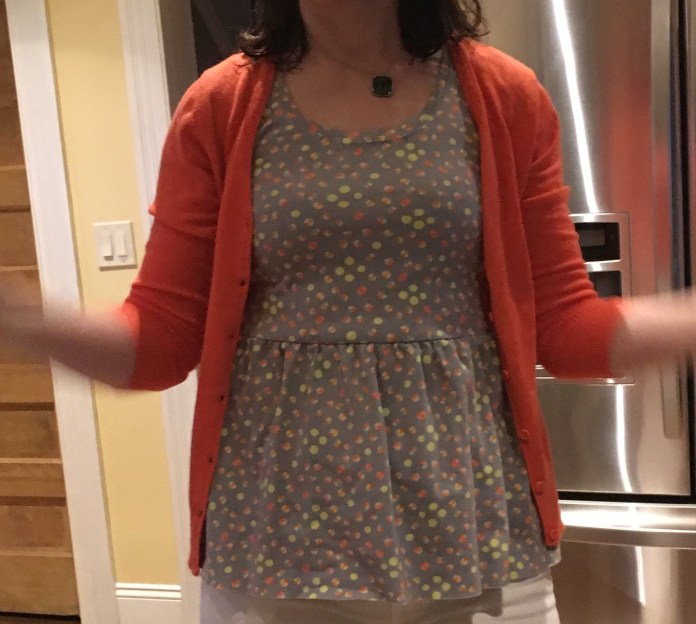
  The Gemma tank is perfect with a cardigan:
 Side view:
 with Sadie the wonder dog who is not enjoying the Dog Days of Summer
  action shot with dog below, (note to self: add bra-strap holders) but the fit is really good as you can see.
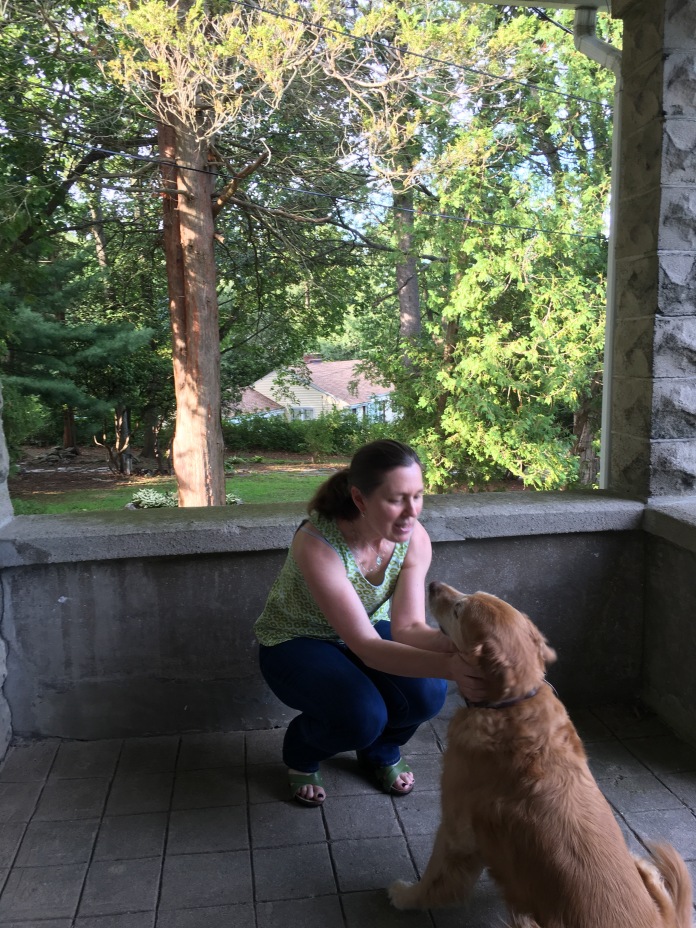 All of these tops have already been washed and worn. Even though the Dog Days of Summer are supposed to have been over August 11th-at least according to the internet- they are in full force in Connecticut. It has been unbearable. These tanks are perfect for these hot days. Sadie the wonder dog is not feeling so wonderful d/t the heat. #summerinconnecticut


 Back:
Back: So clearly I am enjoying this pattern. It is quick and easy sew and it allows you to get a little crazy with fabric because while you might not make a whole dress of a funky fabric, a tank top is a small enough commitment (and everything goes with jeans) so I am now looking at my stash in a new way and seeing so many possibilities. I will post again later this week with details and how-too info. Next up will be to try a Small-Medium version to see if that is the perfect Goldilocks fit solution and to get going on many tanks in size Small for the birthday girls. Action shot below. #jumpingforjoy because the heat is lifting:)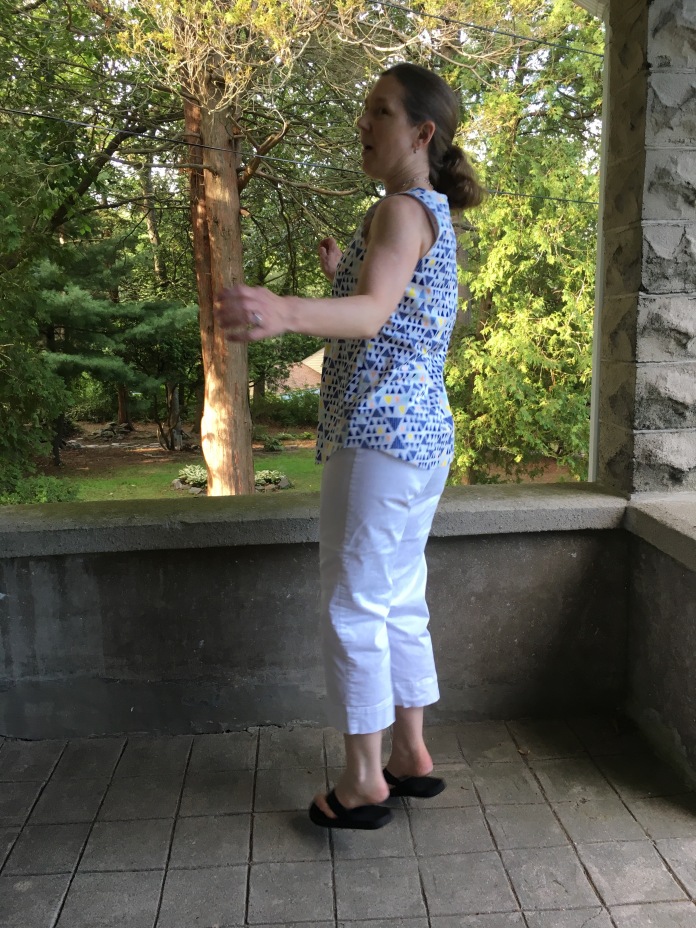
 The fabric was
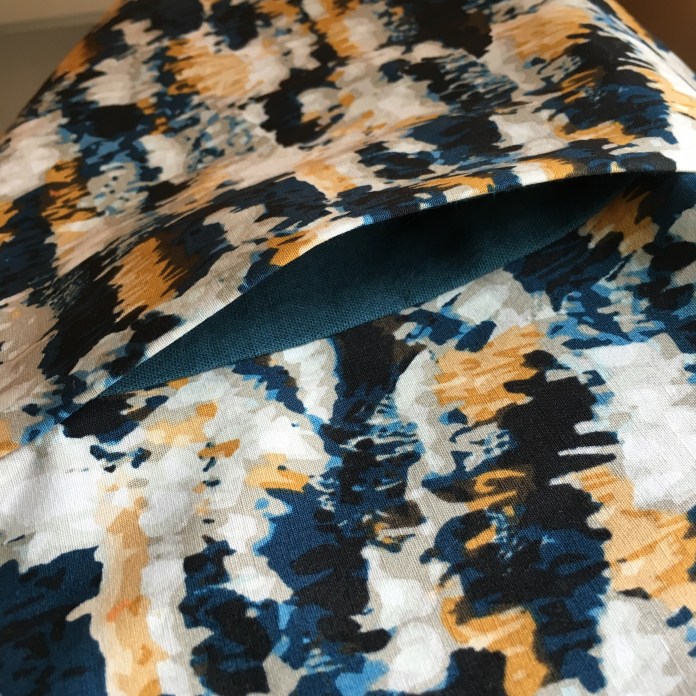
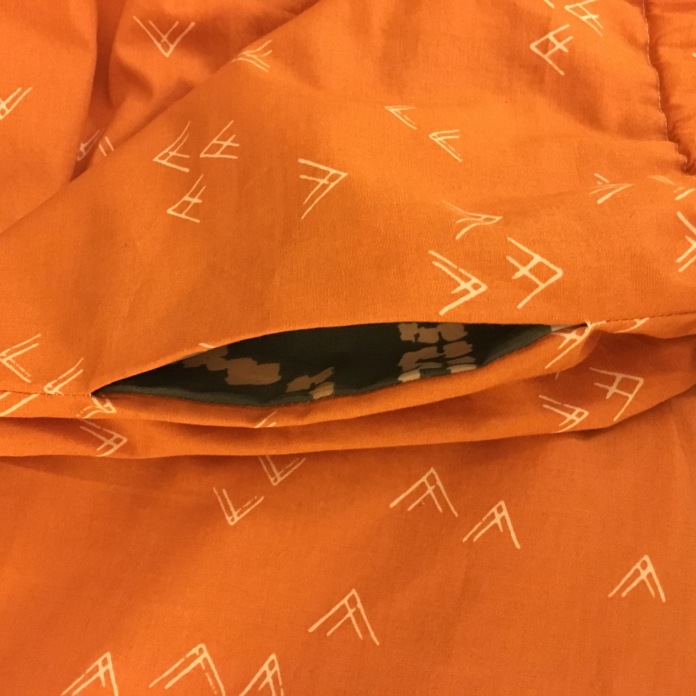
  I think I will ultimately be glad I did this for the comfort factor but it was a pain and I am not showing the inside of my back waist because it is a hot mess. Here is the pocket in process so you can see the color. It is more teal than navy but I like the contrast.
 The rest of the double gauze is going to be a
  I cut out the Ruby pieces and the Luna pieces at the same time to make sure I had enough fabric.
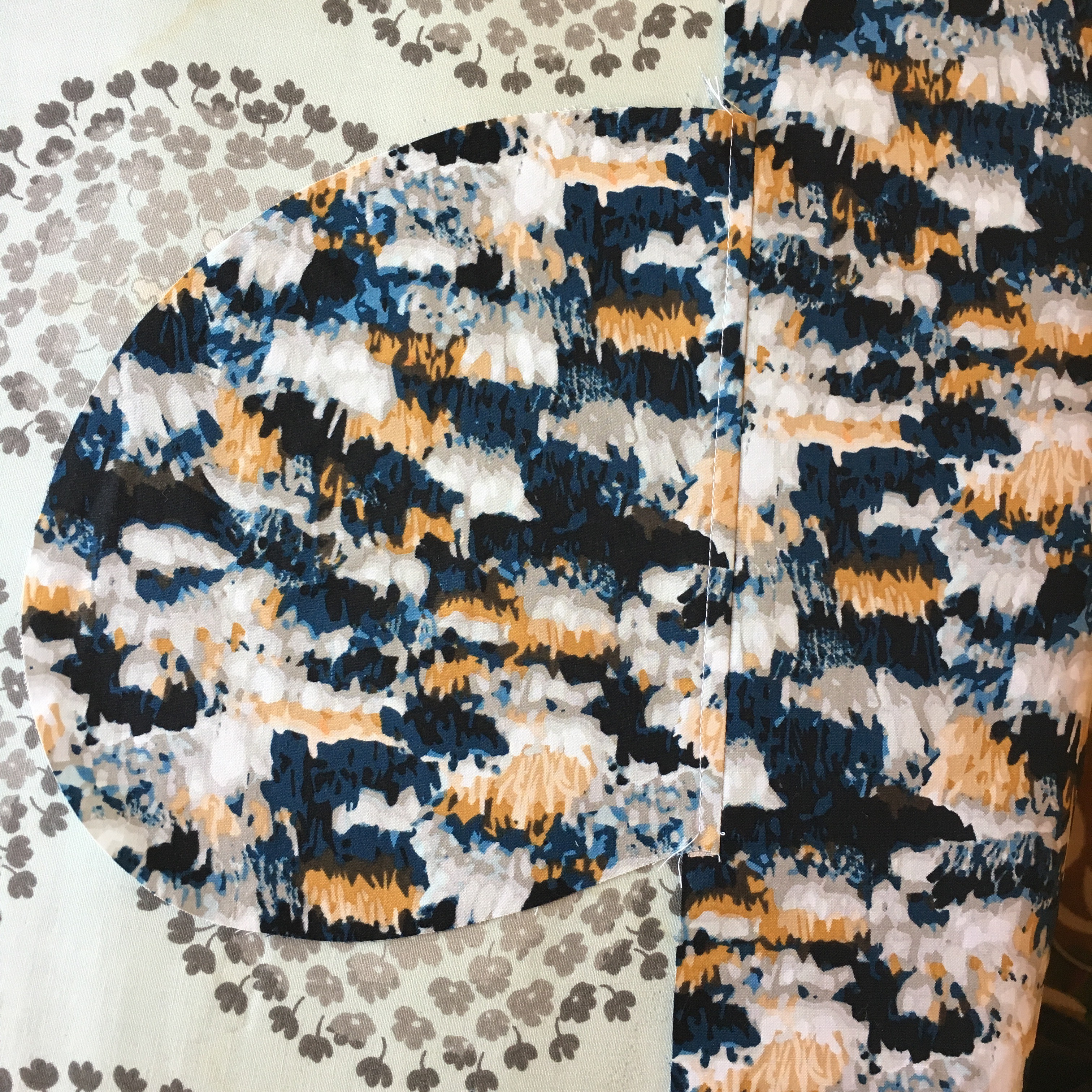
 In anticipation of all the fraying, I sewed the pockets with multiple seams.
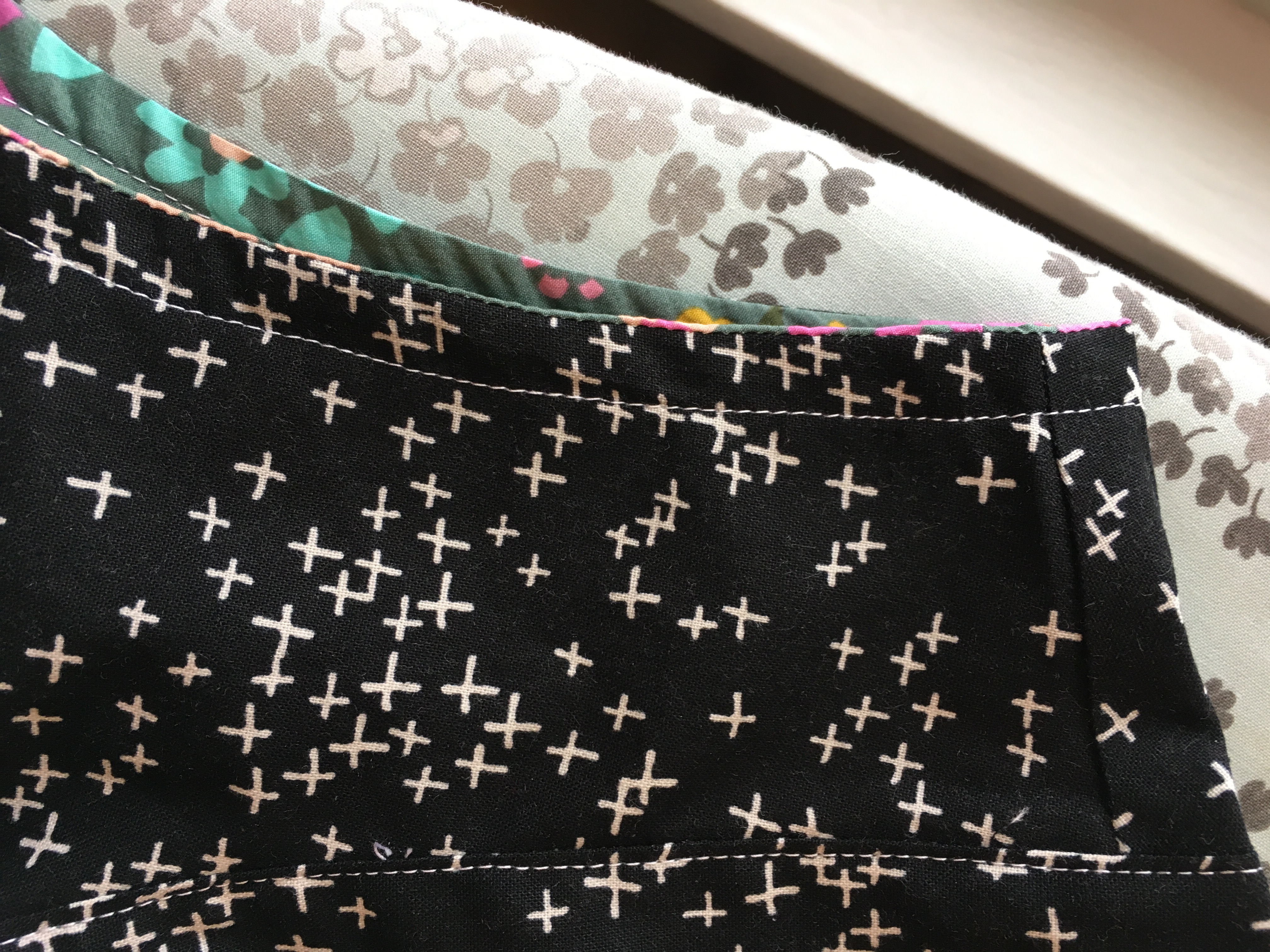
 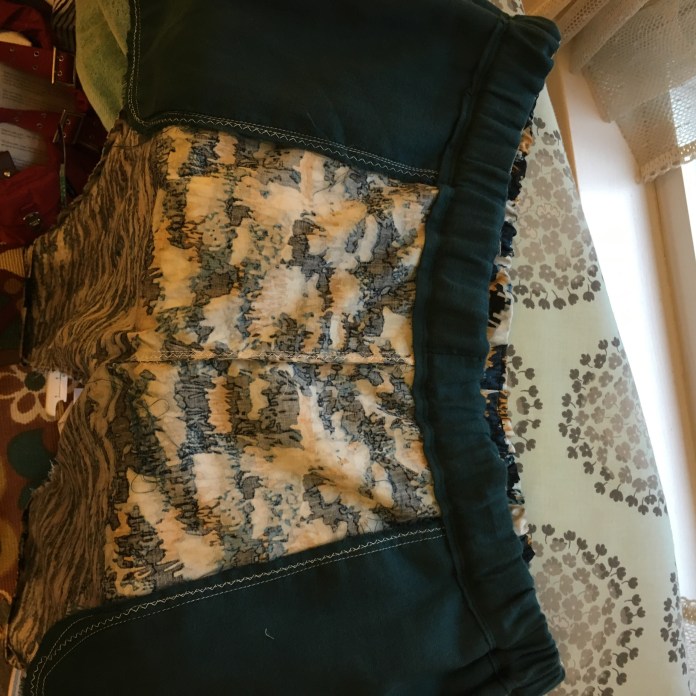 I do like the way the finished pocket peeks out.
 I have to say that once I put these on, they put me in a goofy mood. My daughter captured some of this as you can see below.
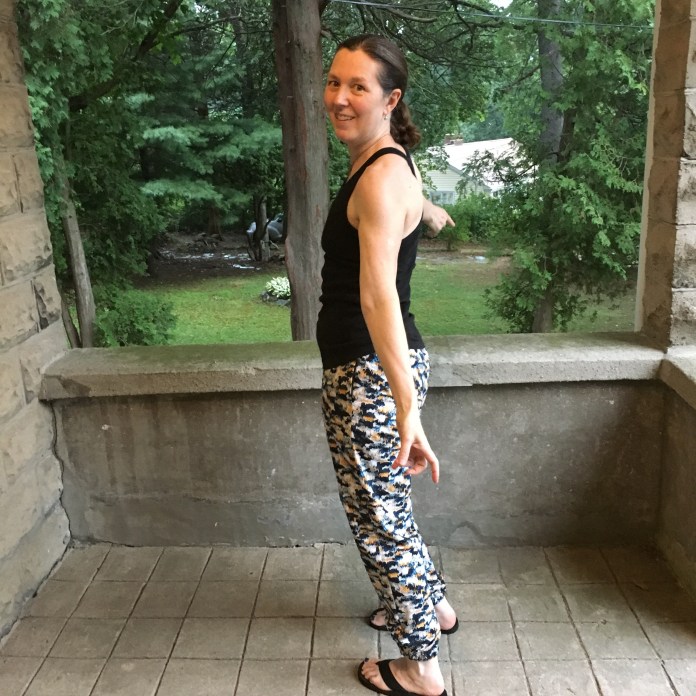 They just make you want to dance.
 Which is not a bad thing!
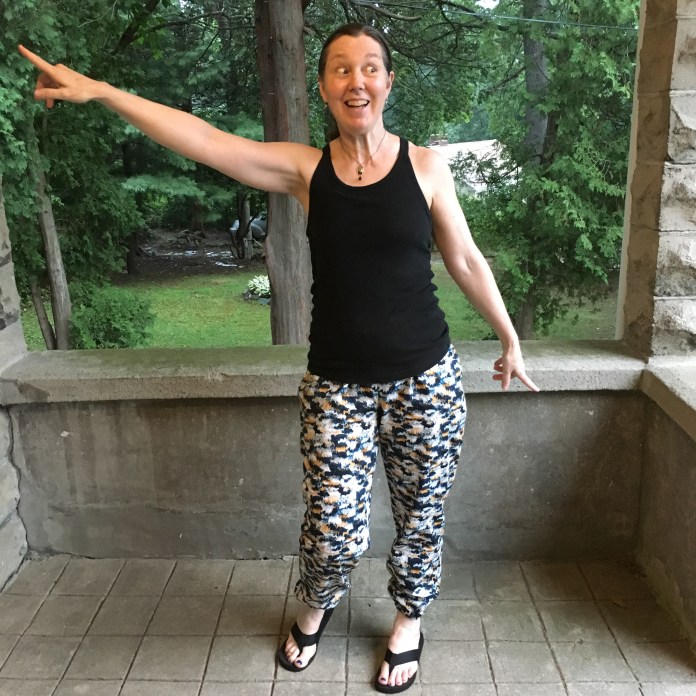 Action shot:
 Mid dance pose:
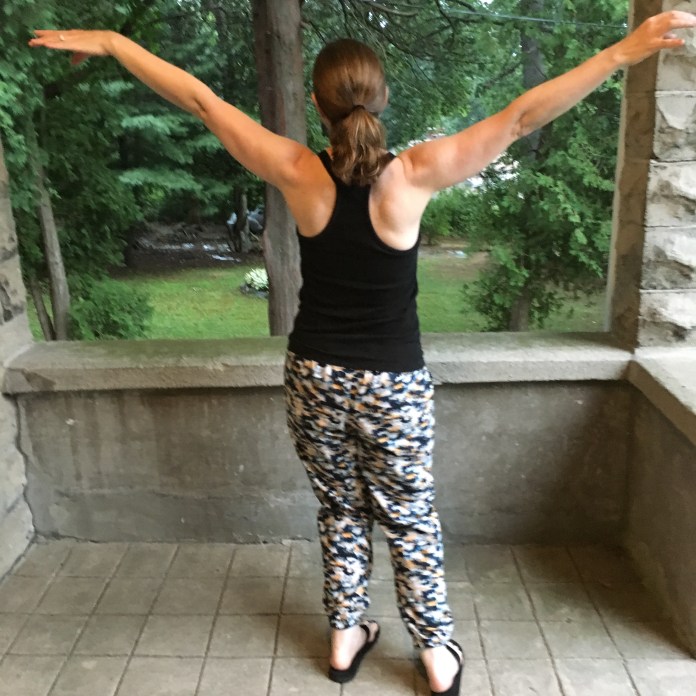 YOU need to make some Luna Pants!
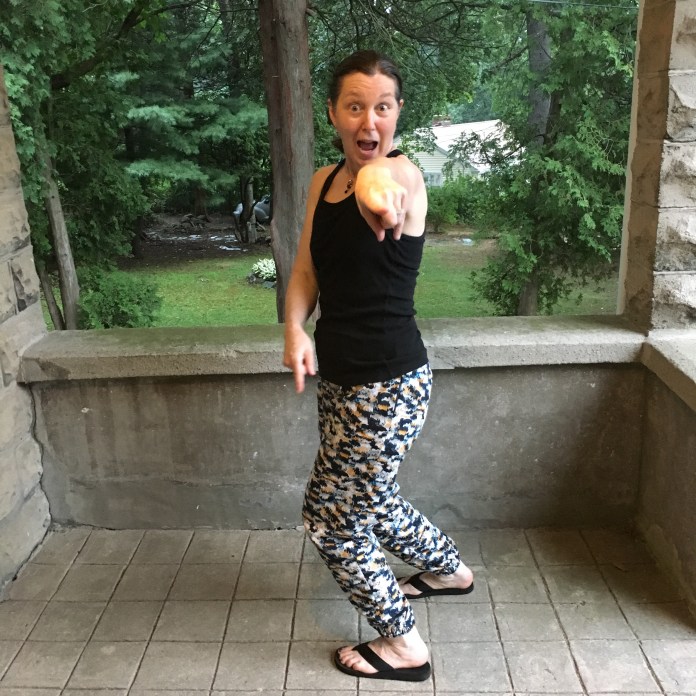 So much fun. Thanks Rae!
 Days off are a rare thing in my life and I am so thrilled to have five days off in a row when I don’t have to go to work. My daughter is visiting so there will be some family meals so that’s a bonus. Otherwise, I have no plans. Bliss!

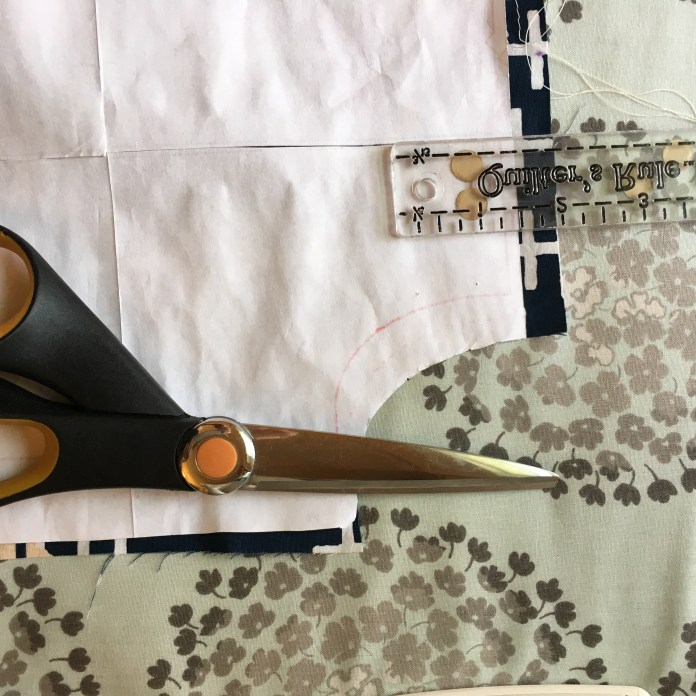 Here are more work-in-process pictures. I top stitched around the neck and also the upper part of the armhole. I use my presser foot to determine the size of my seam allowance so that everything lines up. I also cut my bias binding strips for the bottom part of the armhole 1.5 inches instead of 1.25 as suggested by Rae. I find I need a bit more to totally catch the binding on the other side. I don’t sew in the ditch. I have more luck sewing just next to it. Yoke lining in process:
 Sewing the bias binding to the bottom half of the armhole:


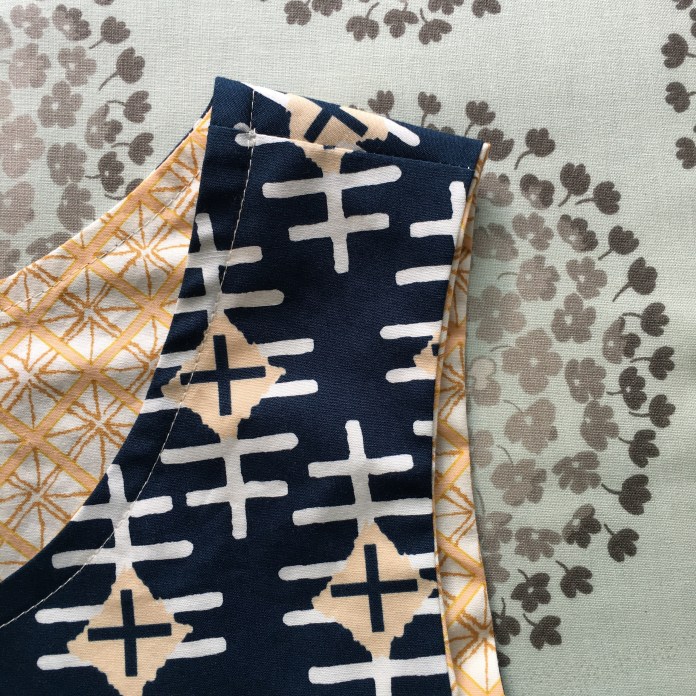 After sewing the yoke to the dress front and back and hand-sewing the lining as Rae instructs in her videos, I top stitched the top of the armhole. Since I had used my presser foot as my seam allowance guide when I sewed the bias binding, I used the same approach to top stitch the top of the armhole. I ends up looking as though you sewed all the way around.
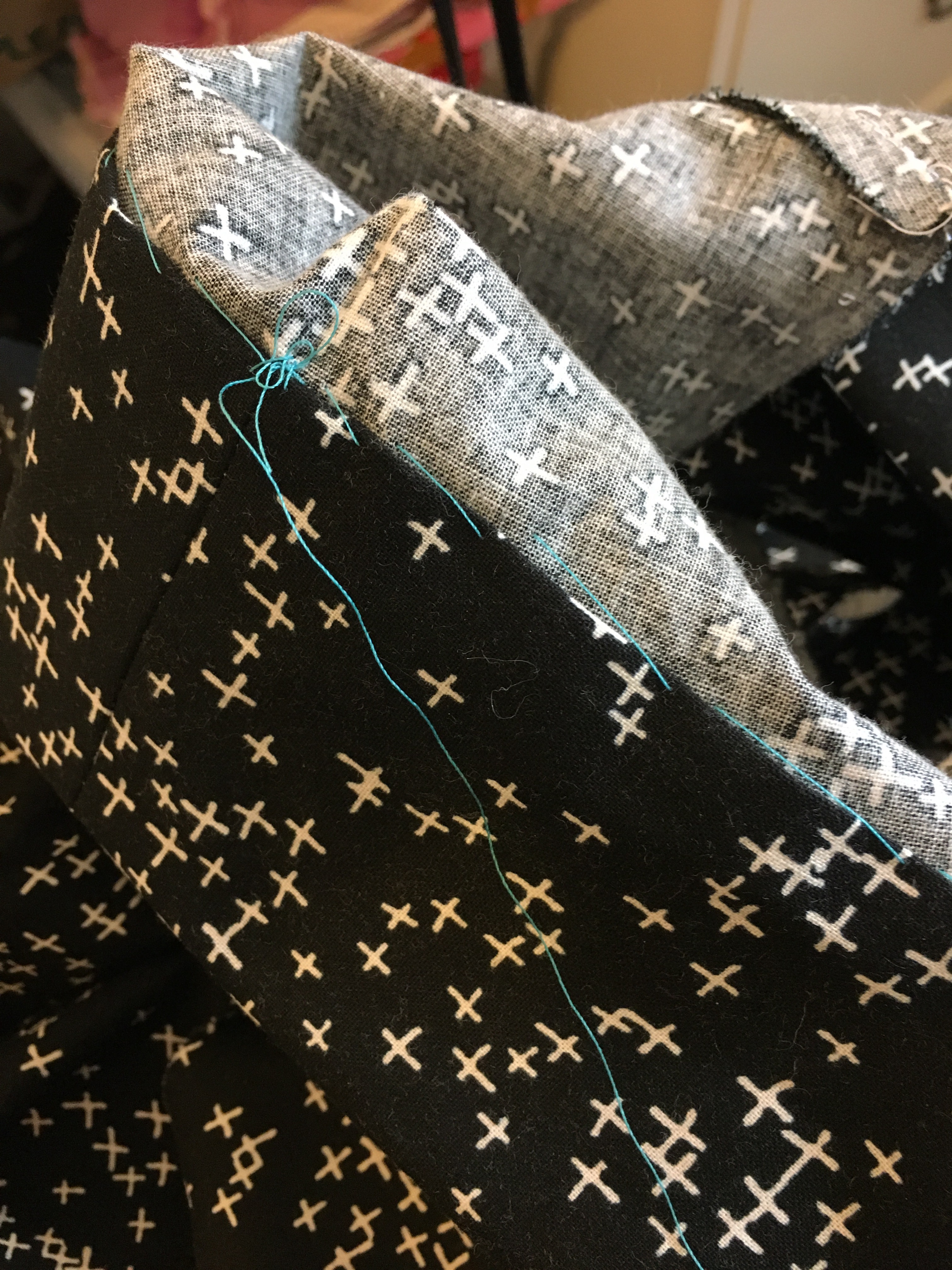
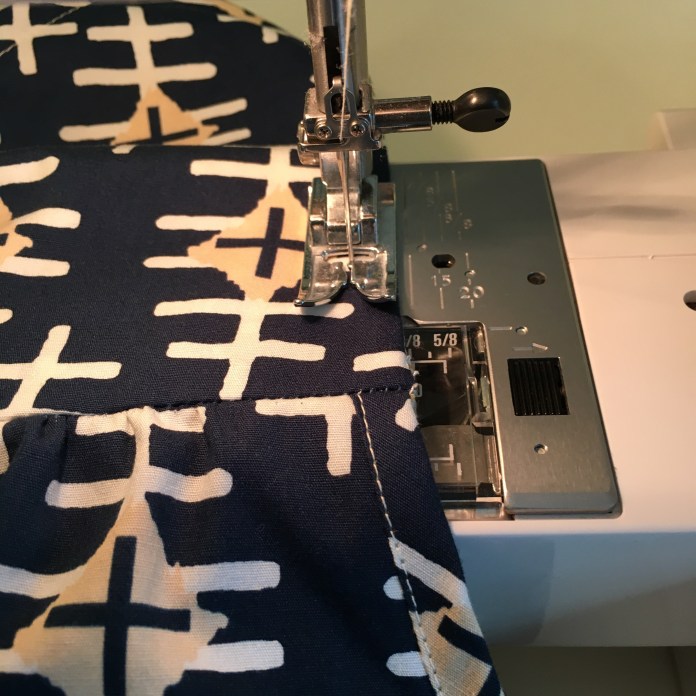 I leave the threads long and then use a needle to bring them to the inside of the dress and then knot them off.
  You end up with a really nice clean finish that is durable.
  I had some questions on instagram about the top stitching. I don’t always do it and I think it actually looks cleaner without it but I feel as though my dresses are very durable and I love that I can machine wash everything and not spend money on dry cleaning. The Ruby dresses below have been worn and washed more than ten times and they have held up great. You can see these Rubies in more detail


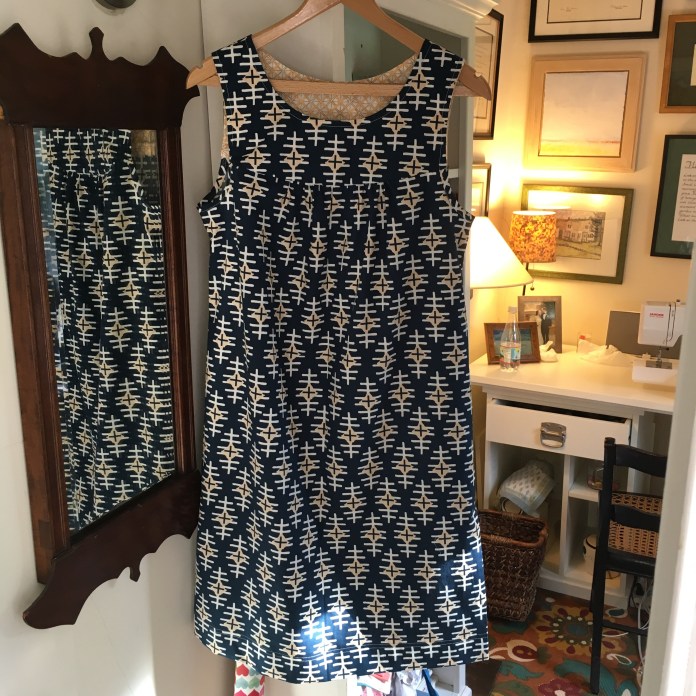
 It took me a long time to get on the
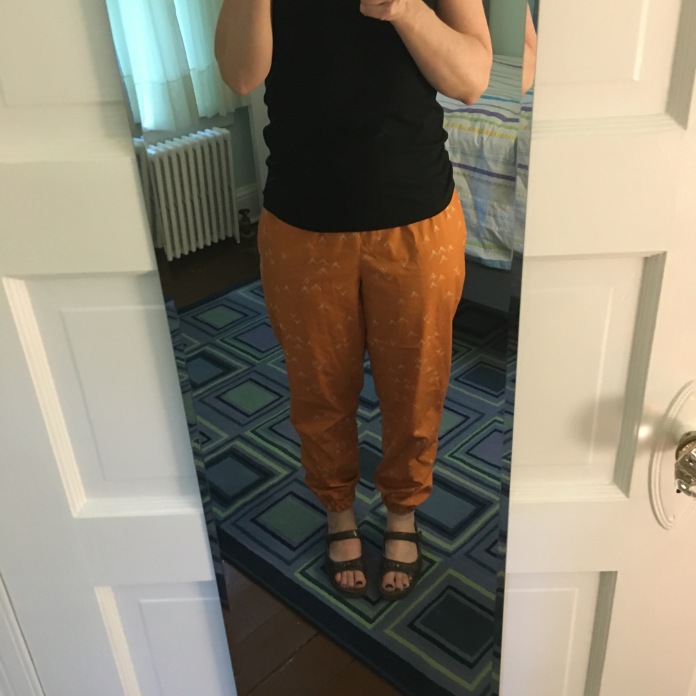
 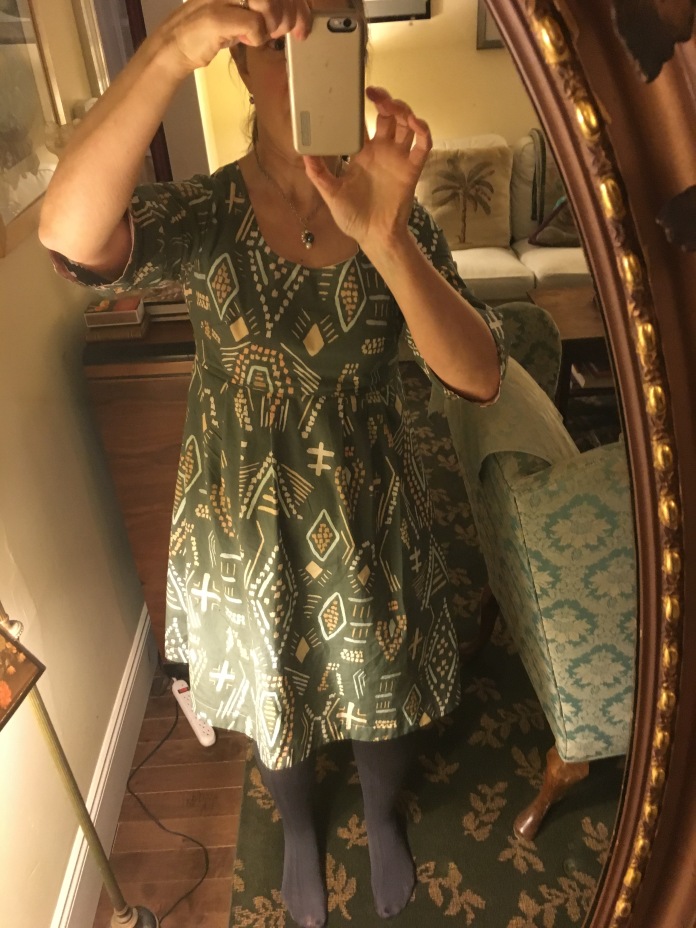 The dress is really comfortable to wear and I knew this fabric would be great for this pattern. It is not this orange in real life btw.
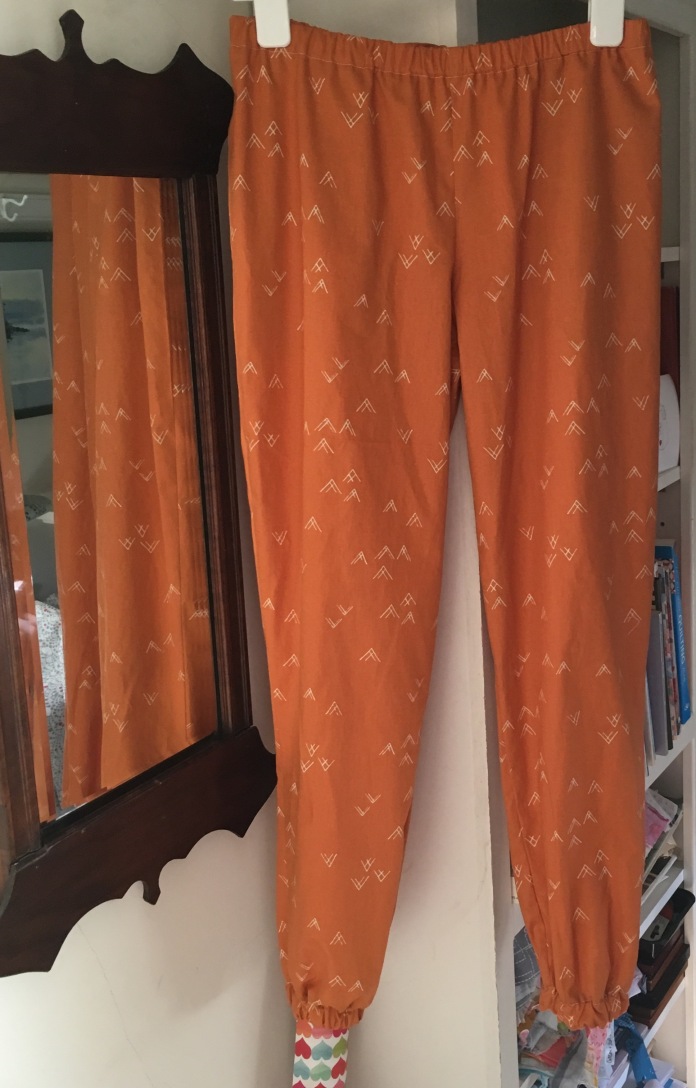 I cut between the medium and large lines (closer to the large around the hips) based on my hip size which is 41 inches. I lengthened the pattern by an inch. I used the leftover scraps from my Bound fabric Washi dress for the pockets.
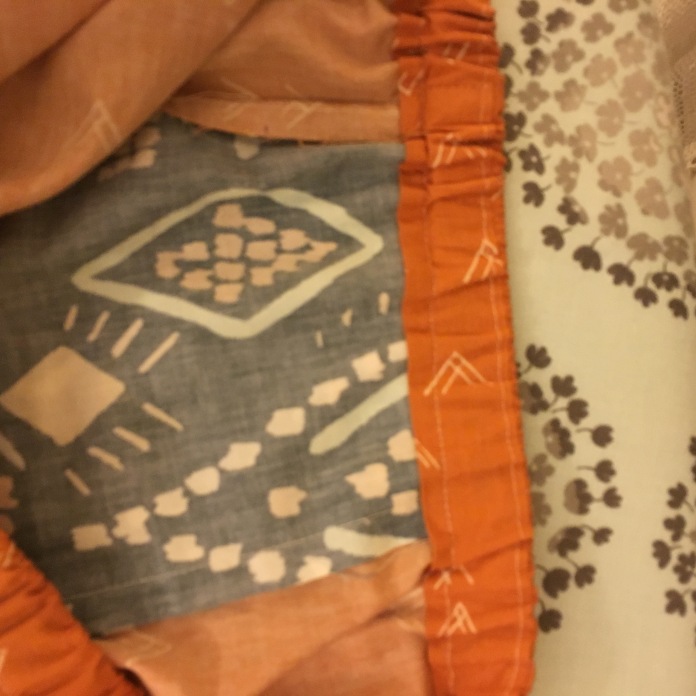
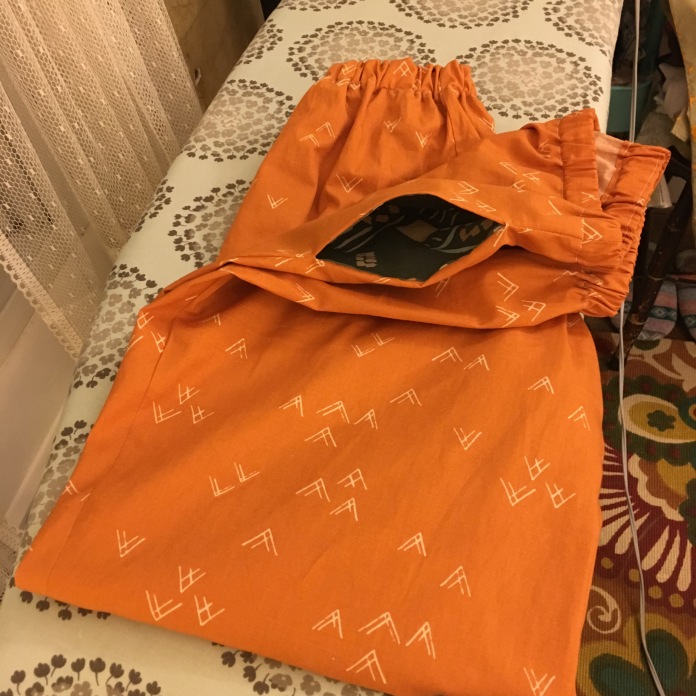 I love the way the tops of the pockets are stitched flat in the waistband seam. Now that I know how to do this, I am tempted to make a skirt just to add pockets exactly like this.
 The sewing is straightforward and the directions are easy to follow. Rae also has a series of blog posts that walk you through the construction. Link to Luna Pants
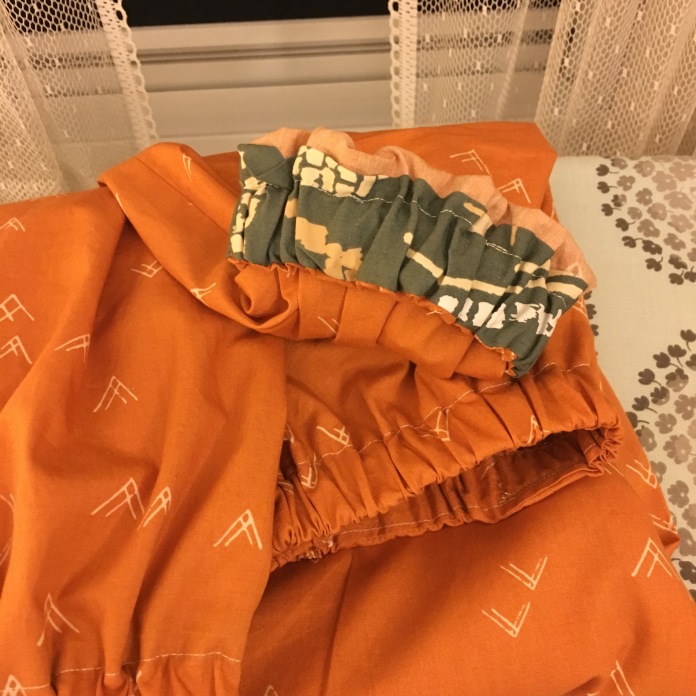
 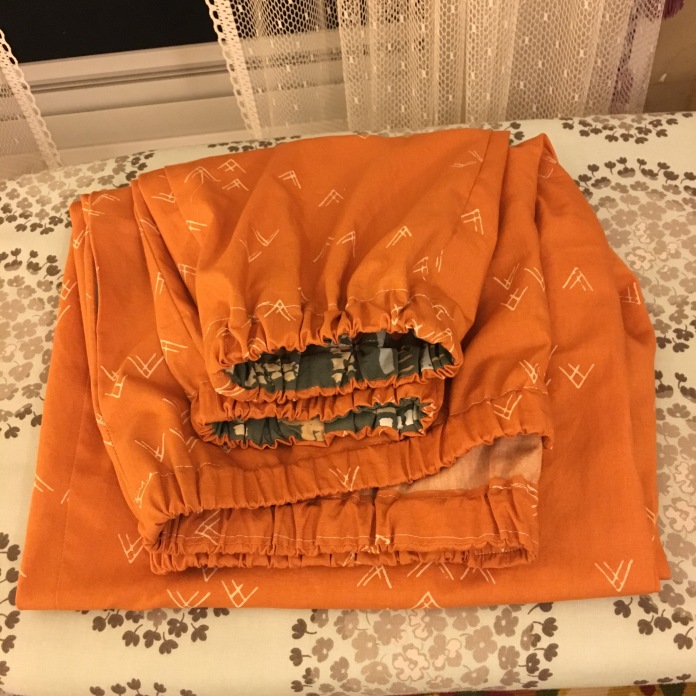 The facing makes them cuter too and it really doesn’t take a lot of time. Another picture of the inside of the pant leg with hem facing:
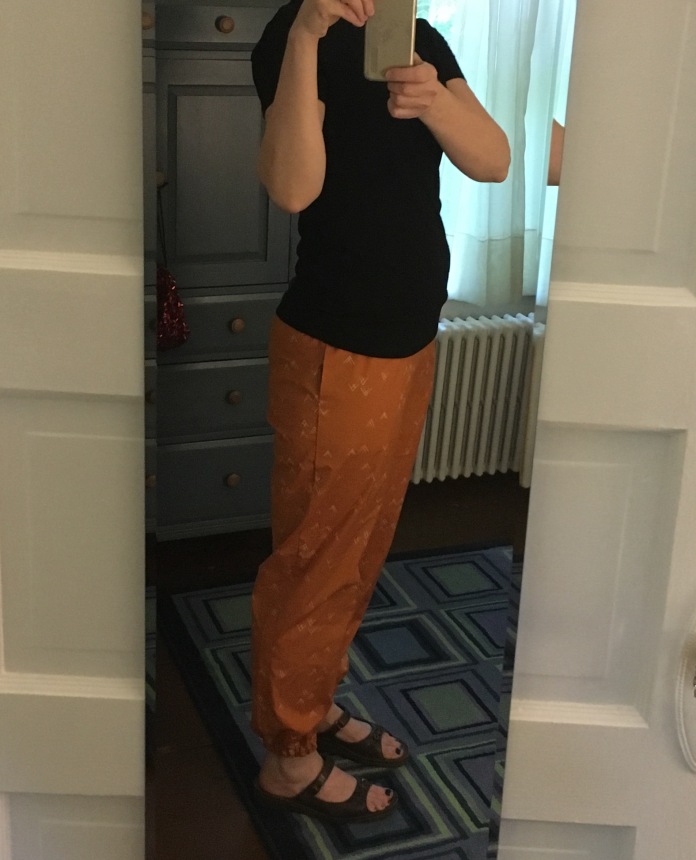
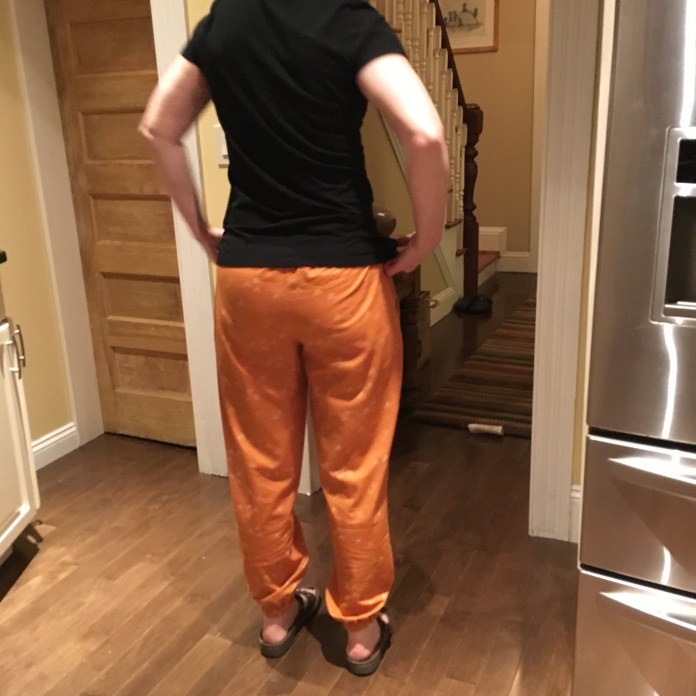
 If you had told me a couple of years ago that a) I would make pants and b) I would wear them in pictures online, I would have said you were crazy but I really like these. They are fun and comfortable and a quick sew. I have plans to make them again soon. I have some April Rhodes Fringe fabric that I know will be perfect. Here are more pictures of the pants as worn tonight to book club. We read
  side view
 back view
 pants in motion (a bit rumpled after book group.)
  Have fun! Make pants! to be continued 🙂
 nursebeansews